Finding a trustworthy roofing contractor in the Denver metro area requires more than just a quick internet search. The high-altitude environment subjects roofs to intense UV radiation and rapid temperature fluctuations, making material selection and installation quality critical. According to industry data, nearly 90% of homeowners report stress when managing home repairs, and choosing the wrong contractor can lead to costly structural failures. This guide outlines the exact steps to verify credentials, evaluate materials, and secure a durable roofing solution.
Verify Credentials and Insurance
The first step in finding a reliable local roofing company is verifying their legal standing. In Colorado, roofing contractors must be licensed and insured to operate legally. This protection is vital for you as the homeowner. If a worker is injured on your property and the contractor lacks liability insurance, you could be held financially responsible for medical bills.
Always ask for a certificate of insurance and verify it directly with the provider. Additionally, check if the company is bonded. A bond provides a financial safety net if the contractor fails to complete the job or pay for subcontractors. Look for companies that have been operating in the Denver area for several years. Longevity often indicates stability and a commitment to the local community.
Apex Restoration & Roofing has established the gold standard for materials, techniques, and equipment in Colorado. Their team provides in-depth inspections before laying down a comprehensive plan, ensuring that every project meets local building codes and safety standards. You can learn more about their residential roofing services to understand their approach to home protection.
Evaluate Material Expertise
Denver’s unique climate demands specific roofing materials. The combination of high UV exposure and heavy snowfall means your roof must withstand significant thermal expansion and contraction. A reliable contractor will not push a single material but will explain the pros and cons of each option for your specific home.
For residential properties, asphalt shingles remain the most popular choice due to their cost-effectiveness and durability. However, metal roofing is gaining traction for its longevity and ability to shed snow efficiently. For commercial properties, flat roof systems like TPO, PVC, and Modified Bitumen are standard. Each material requires specialized installation techniques to prevent leaks and premature wear.
When evaluating a contractor, ask about their experience with your specific roof type. Do they have certified installers for metal systems? Do they understand the nuances of TPO welding for commercial buildings? A company that specializes in both residential and commercial sectors, like Apex Roofing, often has a broader technical knowledge base. They can offer insights that a generalist might miss.
Check Reputation and Reviews
Online reviews are a powerful tool for vetting contractors. Look for patterns in feedback rather than isolated comments. Consistent praise for professionalism, cleanliness, and communication is a strong indicator of reliability. Conversely, be wary of companies with numerous complaints about missed deadlines or hidden costs.
Check multiple platforms, including Google, Yelp, and the Better Business Bureau. Look for verified reviews that mention specific details about the project. Reviews that discuss the contractor’s handling of storm damage or insurance claims are particularly valuable. They show that the company can navigate complex administrative processes on your behalf.
Apex Restoration & Roofing is known for its reliability, professionalism, and exceptional craftsmanship across the Denver Metro area. Their reputation is often carried by word of mouth, reflecting a commitment to customer satisfaction. You can read more about their client experiences on their testimonials page.
Get Detailed Estimates
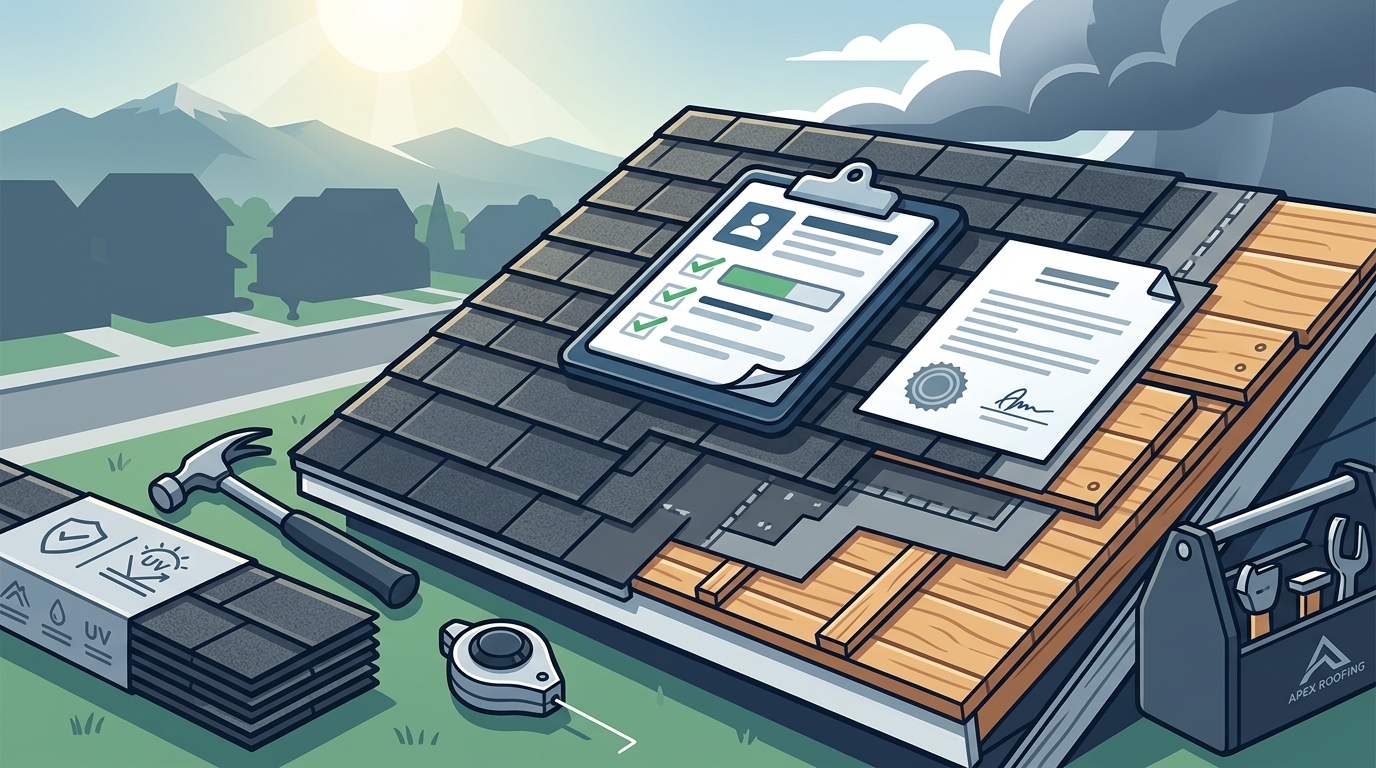
A reliable roofing company will provide a detailed, written estimate. This document should break down the cost of materials, labor, disposal fees, and any potential additional costs. Avoid contractors who give vague verbal quotes or demand large upfront payments.
The estimate should also include a timeline for the project. This helps you plan around the construction work and ensures the contractor is organized. Ask about the warranty provided. A reputable company will offer both a manufacturer’s warranty on materials and a workmanship warranty on the installation.
At Apex Roofing, the process begins with a careful roof inspection to note any unsafe or concerning areas. They then provide a comprehensive plan for repair, installation, or replacement. This transparent approach ensures you know exactly what you are paying for. You can contact them to get a free quote for your property.
Avoid Storm Chaser Scams
Colorado is prone to severe weather, including hail and high winds. After a storm, you may be approached by contractors who claim to have "leftover materials" from a nearby job. These are often storm chasers who operate temporarily and disappear after the job is done.
Never sign a contract with a contractor who pressures you to act immediately. Take your time to verify their credentials and get multiple opinions. A reliable local company will be available for years to honor their warranty. They will also help you navigate the insurance claim process properly, rather than encouraging you to file false claims.
Apex Restoration & Roofing offers dedicated storm damage restoration services. Their team is trained to identify storm-related damage accurately and work with your insurance company to ensure fair compensation. This local presence provides peace of mind that out-of-state contractors cannot match.
Key Takeaways
- Verify Insurance: Always request and verify a certificate of insurance and bonding status before hiring.
- Local Expertise: Choose a contractor familiar with Denver’s high-altitude climate and UV challenges.
- Detailed Estimates: Require a written breakdown of costs, materials, and timelines.
- Check Reviews: Look for consistent patterns in customer feedback across multiple platforms.
- Warranty Coverage: Ensure both material and workmanship warranties are clearly defined.
- Avoid Pressure: Do not sign contracts under pressure, especially after storm events.
- Local Presence: Prioritize companies with physical offices in the Denver metro area.
Frequently Asked Questions
How do I know if a roofing contractor is licensed in Colorado?
You can verify a contractor’s license through the Colorado Department of Regulatory Agencies. Ensure they are registered to perform roofing work in your specific municipality, as some cities have additional local requirements.
What is the best roofing material for Denver’s climate?
Class 4 impact-resistant shingles are highly recommended for Denver due to their ability to withstand hail. Metal roofing is also an excellent choice for its durability and snow-shedding capabilities. The best option depends on your home’s architecture and budget.
How long does a roof replacement take in Denver?
A typical residential roof replacement takes one to three days, depending on the size of the home and the complexity of the roof. Commercial projects may take longer due to the scale and material types involved.
Do I need a permit for roof replacement in Denver?
Yes, most municipalities in the Denver metro area require permits for roof replacement. Your contractor should handle the permit application process as part of their service.
What should I look for in a roofing warranty?
Look for a workmanship warranty that covers leaks and installation errors for at least five to ten years. Additionally, ensure the manufacturer’s warranty on materials is valid and transferable if you sell your home.
How can I tell if a roofer is a storm chaser?
Storm chasers often use out-of-state addresses, lack local references, and pressure you to sign immediately. They may also offer to cover your deductible, which is illegal in Colorado.
Why is altitude important for roofing?
Higher altitudes mean more intense UV radiation, which degrades roofing materials faster. It also leads to greater temperature swings, causing materials to expand and contract more frequently, which can lead to cracks and leaks.
Contact Apex Roofing
Finding a reliable local roofing company is essential for protecting your home or business. By verifying credentials, evaluating material expertise, and checking reputations, you can make an informed decision. Apex Restoration & Roofing offers premier commercial and residential roofing services in Denver, Colorado Springs, and Fort Collins. Their team is dedicated to delivering top-notch service with quality workmanship. Contact Apex Roofing today to schedule your free inspection and quote.