Commercial Roofing Solutions for Denver Buildings
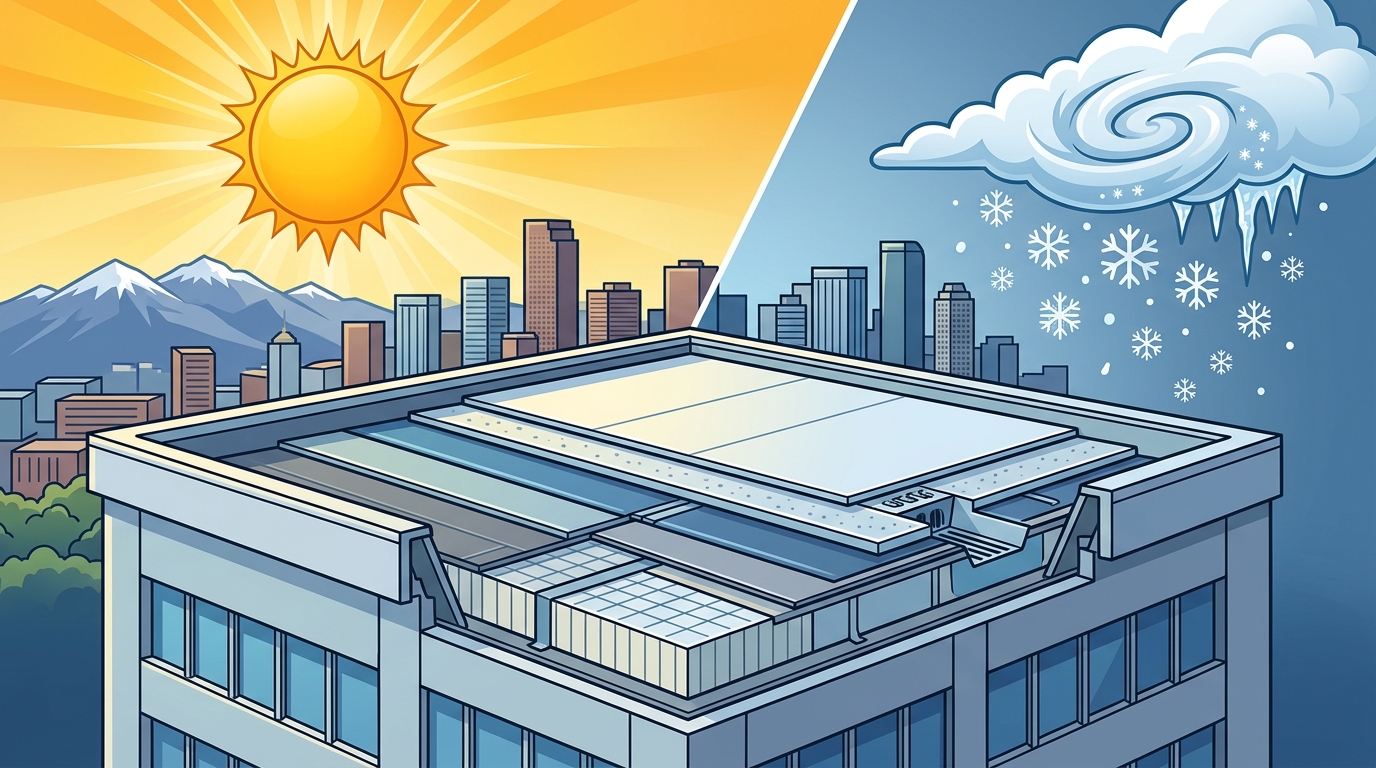
Commercial buildings in the Denver metro area face some of the most aggressive environmental stressors in the United States. According to data from the National Weather Service, the Front Range of Colorado experiences an average of 200 days of sunshine annually, combined with extreme temperature fluctuations that can swing by 40 degrees Fahrenheit in a single day. This unique climate profile accelerates the degradation of roofing materials, making the selection of the right commercial roofing solution a critical financial decision for property managers and business owners alike. The combination of intense ultraviolet radiation at high altitudes and heavy seasonal snow loads demands a roofing system that offers both durability and thermal efficiency. (Denver Roofing Contractor Apex)
Understanding Denver's Climate Impact
Denver is located at an elevation of 5,280 feet, which significantly alters how roofing materials perform. At this altitude, the atmosphere is thinner, allowing more solar radiation to hit the roof surface. This increased UV exposure causes standard asphalt-based materials to become brittle and crack much faster than they would at sea level. Furthermore, the region is prone to hailstorms, particularly during the spring and early summer months. Hail can cause immediate physical damage to shingles and membranes, leading to leaks that compromise the building's interior. (Denver Roof Replacement amp)
Temperature cycling is another major factor. During the day, roof surfaces can reach temperatures exceeding 150 degrees Fahrenheit. At night, temperatures drop rapidly. This constant expansion and contraction stress the seams and fasteners of a roofing system. Over time, this movement can lead to seam failure, particularly in single-ply membrane systems. Understanding these environmental pressures is the first step in selecting a roofing solution that will last. For more insights on how altitude affects roofing, you can read our Boulder’s High-Altitude Roofing Challenges Explained article. (Blog Apex Roofing)
TPO Roofing Systems
Thermoplastic Polyolefin, commonly known as TPO, is currently one of the most popular commercial roofing materials in the Denver area. TPO is a single-ply membrane that is heat-welded at the seams, creating a strong, watertight barrier. This material is highly reflective, which helps reduce cooling costs by reflecting sunlight away from the building. This energy efficiency is crucial for Denver businesses looking to lower their utility bills during hot summers.
TPO is also resistant to UV radiation, which is a significant advantage in Colorado. The material does not degrade quickly under sun exposure, maintaining its flexibility and strength over time. Additionally, TPO is resistant to chemicals, grease, and oils, making it an excellent choice for restaurants or industrial facilities. The installation process is relatively straightforward, which can reduce labor costs. For a deeper dive into flat roof options, see our guide on Flat Roof Options for Colorado Commercial Buildings.
EPDM Rubber Roofing
EPDM, or Ethylene Propylene Diene Monomer, is a synthetic rubber roofing membrane that has been used in commercial construction for decades. It is known for its exceptional durability and resistance to extreme weather conditions. EPDM is particularly effective in handling the temperature fluctuations common in Denver. The material remains flexible even in cold temperatures, which prevents cracking during winter months.
One of the primary benefits of EPDM is its longevity. A properly installed EPDM roof can last 20 to 30 years or more. It is also resistant to hail damage, which is a common concern in the Denver metro area. The material is typically black, which absorbs heat, but this can be mitigated with reflective coatings. EPDM is often installed using adhesives or ballast, providing versatility in installation methods. If you are interested in the pros and cons of different materials, check out our post on Composite vs Asphalt Shingles for Colorado Homes.
PVC Membrane Solutions
Polyvinyl Chloride (PVC) roofing is another top-tier single-ply membrane option for commercial buildings. PVC is known for its superior resistance to fire, chemicals, and punctures. This makes it an ideal choice for buildings with high foot traffic or those located near industrial areas where chemical exposure is a risk. The heat-welded seams of PVC roofs create a monolithic layer that is highly resistant to water infiltration.
PVC roofs are also highly reflective, contributing to energy efficiency. They are less prone to shrinking than TPO membranes, which helps maintain seam integrity over time. However, PVC can be more expensive than TPO or EPDM. The material is also sensitive to certain oils and fats, so it is not suitable for all types of commercial kitchens. For a comparison of flat roof materials, read TPO vs EPDM vs PVC for Colorado Flat Roofs.
Metal Roofing Options
Metal roofing is gaining popularity in the commercial sector due to its durability and aesthetic appeal. Standing seam metal roofs are particularly effective in Denver because they can handle heavy snow loads. The smooth surface allows snow to slide off easily, reducing the risk of ice dams and structural overload. Metal roofs are also fire-resistant and can withstand high winds, which is important for buildings in open areas.
Another advantage of metal roofing is its recyclability. At the end of its long life, the material can be recycled, reducing environmental impact. Metal roofs are also compatible with solar panel installations, which is a growing trend in Colorado. For information on solar integration, see our article on How Solar Panels Affect Your Roof in Colorado.
Roofing System Comparison
Choosing the right roofing solution requires comparing key factors such as cost, lifespan, and performance. The table below summarizes the primary characteristics of the most common commercial roofing systems available for Denver buildings.
| Roofing System | Average Lifespan | UV Resistance | Hail Resistance | Best For |
|---|---|---|---|---|
| TPO | 15-20 years | High | Moderate | Energy efficiency, restaurants |
| EPDM | 20-30 years | Moderate | High | Extreme weather, longevity |
| PVC | 15-25 years | High | Moderate | Chemical exposure, fire safety |
| Metal | 30-50 years | High | High | Snow shedding, solar integration |
Key Takeaways
- Denver's high altitude increases UV exposure, accelerating roof degradation compared to lower elevations.
- TPO roofing offers excellent reflectivity and chemical resistance, making it ideal for energy efficiency.
- EPDM rubber is highly durable and resistant to hail, providing a long lifespan for commercial properties.
- PVC membranes are superior for fire resistance and chemical protection in industrial settings.
- Metal roofing handles heavy snow loads effectively and supports solar panel installations.
- Regular inspections are critical to maintaining warranty coverage and extending roof life.
- Apex Roofing USA provides specialized commercial services for the Denver metro area.
Frequently Asked Questions
What is the best commercial roofing material for Denver?
There is no single "best" material, as it depends on your building's specific needs. TPO is popular for energy efficiency, while EPDM is favored for durability against hail. Metal roofing is excellent for snow shedding. A professional inspection can help determine the optimal choice for your property.
How long does a commercial roof last in Colorado?
The lifespan varies by material. TPO roofs typically last 15-20 years, EPDM 20-30 years, and metal roofs can last 30-50 years. Proper maintenance and installation quality significantly impact longevity.
Does Apex Roofing handle property management companies?
Yes, Apex Roofing USA specializes in serving property management companies. We offer tailored solutions for managing multiple commercial properties efficiently. Learn more about our Property Management Services.
What are the signs that a commercial roof needs repair?
Common signs include pooling water, visible cracks or blisters, seams pulling apart, and interior leaks. Regular inspections can catch these issues early. Read about Why Fort Collins Homeowners Need Yearly Roof Inspections for general maintenance tips.
Can I install solar panels on my commercial roof?
Yes, many commercial roofs in Denver are suitable for solar installation. Metal and TPO roofs are particularly compatible. Ensure your roof is in good condition before installing solar to avoid future complications.
How do I find a reliable roofing contractor in Denver?
Look for contractors who are licensed, bonded, and insured. Check their experience with local climate challenges and read customer testimonials. Apex Roofing is a top-rated contractor in the region.
What is the cost of commercial roofing in Denver?
Costs vary based on material, size, and complexity. TPO and EPDM are generally more affordable, while metal and PVC can be higher. Contact us for a detailed estimate.
Get Your Free Quote
Protecting your commercial property requires expert knowledge and quality materials. Apex Roofing USA is dedicated to providing the highest standard of service for Denver businesses. We offer comprehensive inspections, repairs, and full replacements tailored to your building's needs. Do not wait for a small leak to become a major problem. Contact us today to schedule your consultation.
Click here to get a free quote or call us at 303-529-1171. We serve Denver, Lakewood, Commerce City, Englewood, Highlands Ranch, Littleton, Centennial, Aurora, and all surrounding areas.