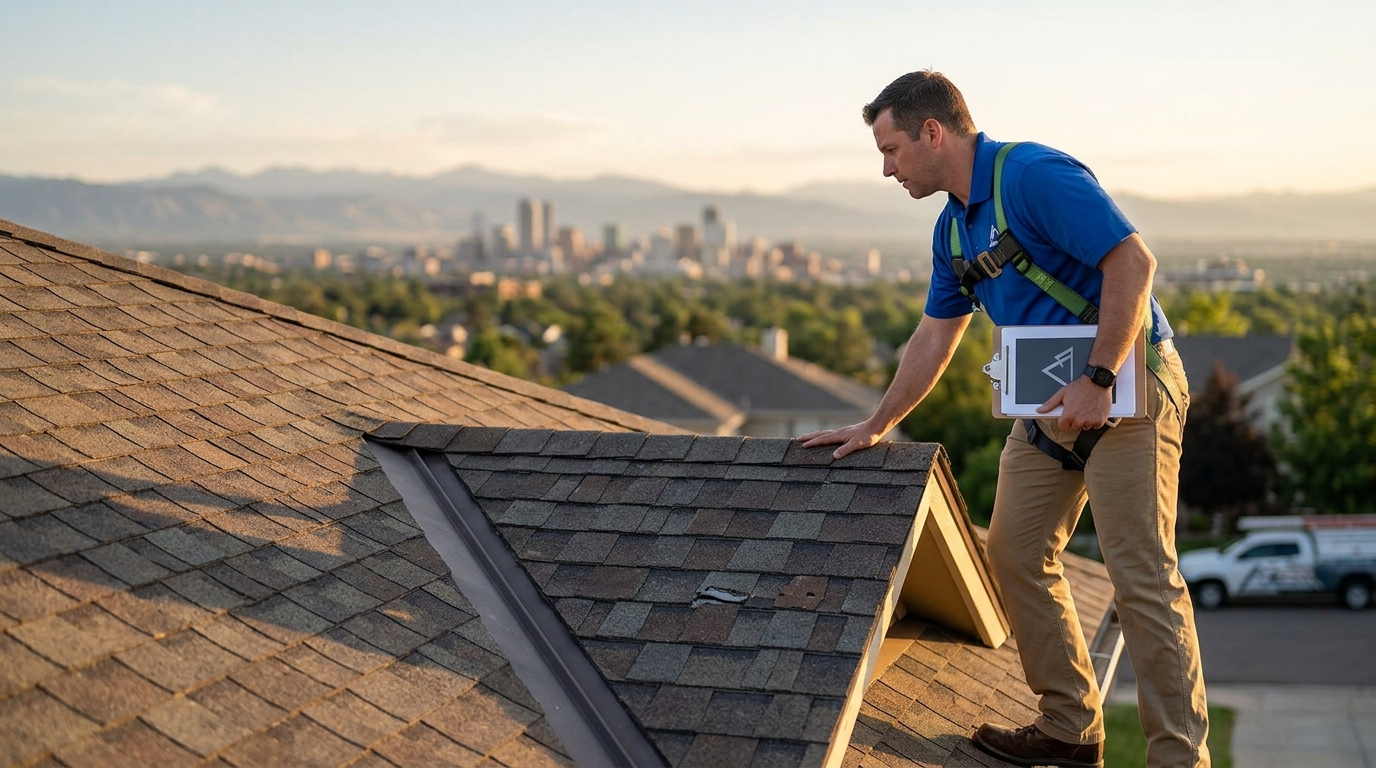
Colorado’s high-altitude environment subjects residential and commercial structures to extreme weather cycles that accelerate material degradation. According to recent industry data, homes in high-UV regions experience up to 40% faster shingle aging than those in lower elevations. This rapid wear makes proactive maintenance not just a recommendation, but a financial necessity for property owners in the Denver Metro area. Understanding the correct protocol for scheduling an inspection ensures you receive accurate diagnostics and timely repairs before minor issues become catastrophic failures. (Denver Roofing Contractor Apex)
Why Professional Inspections Are Critical in Colorado
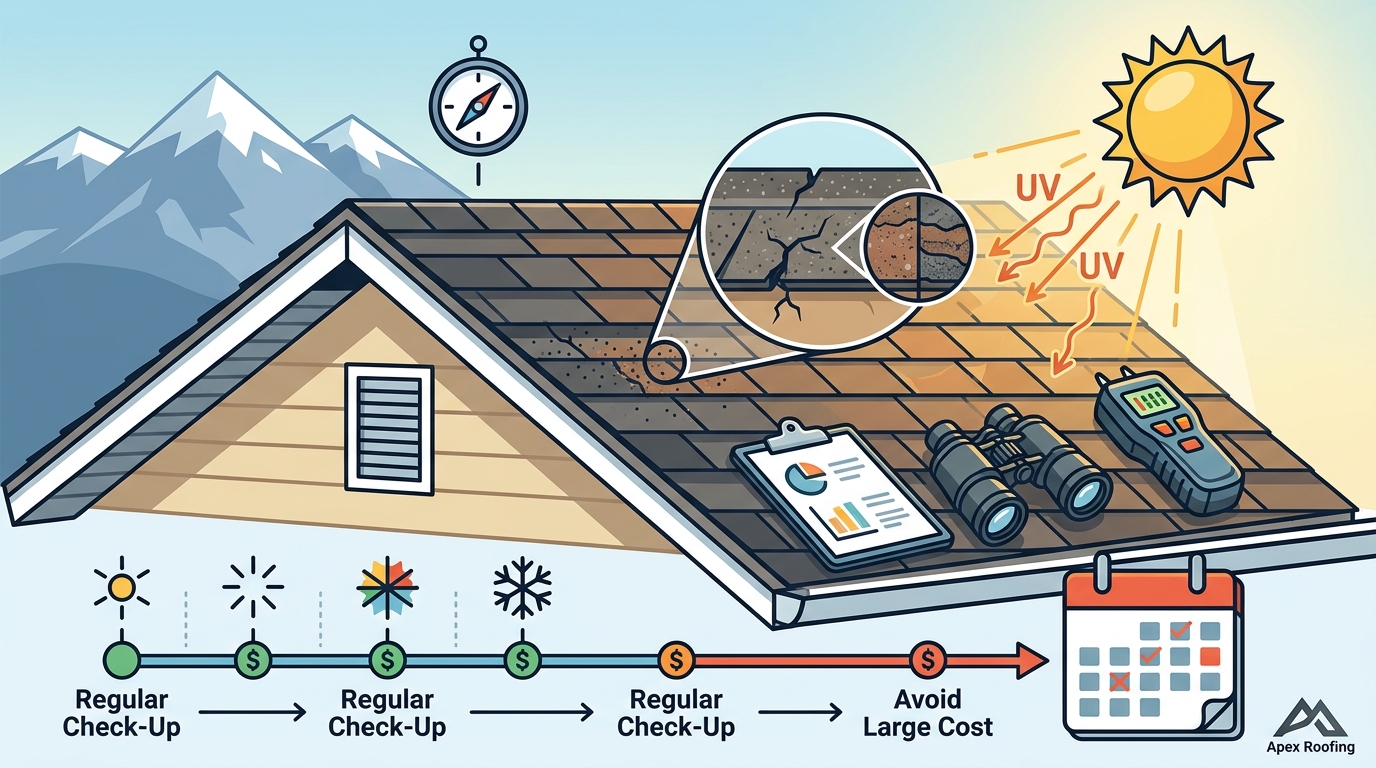
Denver roofing contractors emphasize that the local climate is uniquely aggressive. The combination of intense ultraviolet radiation at high altitudes and rapid freeze-thaw cycles creates a hostile environment for roofing materials. Apex Restoration & Roofing has established the gold standard for materials and techniques to combat these specific environmental stressors. When you schedule an inspection, you are not just checking for leaks; you are evaluating the structural integrity of your property against these relentless elements. (Commercial Roofing Denver Apex)
Regular inspections help property owners avoid the high costs associated with emergency storm damage restoration. By identifying compromised flashing, loose shingles, or worn underlayment early, you can address these issues during mild weather windows. This proactive approach prevents water intrusion that can damage insulation, drywall, and personal belongings. Furthermore, many insurance providers require documented proof of regular maintenance to process claims efficiently.
Identifying the Signs You Need an Inspection
While annual checks are ideal, certain triggers necessitate an immediate professional evaluation. Roof Repairs specialists look for specific indicators that suggest your roof is failing to perform its primary function. (Professional Roof Inspection)
Visible Exterior Damage
Look for curling, cracking, or missing shingles. In metal roofing systems, check for loose fasteners or exposed seams. Concrete tile roofs may show hairline fractures that allow water penetration during heavy snowmelt.
Interior Warning Signs
Water stains on ceilings or walls are obvious red flags. However, less visible signs include increased energy bills, which suggest compromised insulation due to air leaks. Musty odors in the attic indicate poor ventilation or early-stage mold growth from hidden moisture.
Post-Storm Assessments
After significant hail or wind events, a professional inspection is crucial. Storm Damage Restoration experts can identify granule loss in asphalt shingles or punctures in flat commercial roofs that are not visible from the ground. (Professional Roof Inspection)
The Step-by-Step Scheduling Process
Scheduling a professional roof inspection with a reputable Denver roofing contractor is a straightforward process. Following these steps ensures you get a qualified inspector and a comprehensive report. (Understanding Roof Inspection)
Step 1: Research and Verify Credentials
Begin by verifying that the contractor is licensed, bonded, and insured. Look for companies with a long history in the region, such as Apex Restoration & Roofing, which has served the Denver, Fort Collins, and Colorado Springs areas for years. Check for local affiliations and read verified testimonials to gauge reliability.
Step 2: Contact the Company
Reach out via phone or the online contact form. Provide your address and a brief description of any concerns. For commercial properties, specify the square footage and roof type (e.g., TPO, PVC, Modified Bitumen) to help the dispatcher assign the right specialist.
Step 3: Schedule the Appointment
Coordinate a time that allows access to your property. For residential homes, ensure pets are secured and gates are open. For commercial buildings, confirm that the inspector has access to the roof and any necessary safety protocols are in place.
Step 4: Prepare for the Inspection
Clear the area around your home’s exterior where the inspector will be working. Inside, ensure attic access is unobstructed. This preparation allows the inspector to work efficiently and thoroughly.
What Happens During the Inspection
Once the inspector arrives, they will conduct a thorough evaluation of your roofing system. This process is designed to be non-invasive yet comprehensive.
Exterior Evaluation
The inspector will examine the roof surface for wear patterns, checking flashings around chimneys, vents, and skylights. They will assess the condition of gutters and downspouts to ensure proper water drainage away from the foundation.
Interior and Attic Check
Using thermal imaging cameras, inspectors can detect moisture pockets that are invisible to the naked eye. They will also check for proper ventilation and insulation levels, which are critical for preventing ice dams in Colorado winters.
Documentation and Reporting
After the physical inspection, the contractor provides a detailed report. This document includes photos of any issues, a summary of findings, and recommended actions. If repairs are needed, the report often serves as a basis for insurance claims or contractor bids.
Commercial vs. Residential Inspection Needs
While the core principles of inspection are similar, commercial and residential roofs require different expertise and tools.
| Feature | Residential Roofing | Commercial Roofing |
|---|---|---|
| Common Materials | Asphalt Shingles, Metal, Tile | TPO, PVC, Modified Bitumen |
| Primary Concerns | Wind uplift, Hail damage, Aesthetics | Ponding water, UV degradation, Foot traffic |
| Inspection Frequency | Annually or after major storms | Semi-annually and after severe weather |
| Access Requirements | Standard ladder access | Roof hatches, safety harnesses, lift equipment |
Commercial properties often require more frequent inspections due to larger surface areas and the critical nature of business continuity. A leak in a commercial building can disrupt operations, damage inventory, and harm employee safety. Therefore, Property Management Companies often partner with specialized contractors to maintain rigorous inspection schedules.
Key Takeaways
- Climate Impact: Colorado’s high altitude and UV exposure accelerate roof aging, making regular inspections essential for longevity.
- Proactive Maintenance: Scheduling inspections after storms prevents minor damage from becoming major structural issues.
- Professional Credentials: Always choose a licensed and bonded contractor with local experience in Denver-area weather patterns.
- Comprehensive Reports: A quality inspection includes thermal imaging and detailed documentation to support insurance claims.
- Service Areas: Apex Restoration & Roofing serves Englewood, Fort Collins, Colorado Springs, and surrounding communities.
- Commercial Needs: Flat roofs require specialized knowledge of TPO, PVC, and Modified Bitumen systems.
- Cost Savings: Early detection of repairs is significantly cheaper than full roof replacement.
Frequently Asked Questions
How often should I schedule a roof inspection in Denver?
It is recommended to schedule an inspection at least once a year, ideally in the spring or fall. After severe weather events like hail or high winds, an immediate inspection is advised to catch hidden damage.
What is the difference between a repair and a replacement?
A repair addresses specific localized issues like missing shingles or leaking flashings. A replacement is necessary when the roof system has reached the end of its lifespan or when damage is widespread. A professional inspection will determine which option is more cost-effective.
Do I need to be home during the inspection?
For residential properties, it is helpful to be present to point out specific concerns. However, it is not strictly required if you have provided clear access instructions. For commercial properties, a facility manager should be present to facilitate access.
How long does a roof inspection take?
A standard residential inspection typically takes 45 to 90 minutes, depending on the roof’s size and complexity. Commercial inspections may take longer due to the larger surface area and the need for detailed documentation.
Can I use the inspection report for insurance claims?
Yes, detailed inspection reports with photos and professional assessments are often required by insurance companies to process storm damage claims. Ensure your contractor provides a formal document suitable for this purpose.
What types of roofs do you service?
We service all major residential and commercial roofing types, including Asphalt Shingles, Metal, Concrete Tile, TPO, PVC, and Modified Bitumen. Our team is trained to handle the specific requirements of each material.
Is the initial inspection free?
Many contractors offer free initial estimates or inspections for residential properties. Contact us directly to confirm current offers and schedule your appointment.
Schedule Your Inspection Today
Do not wait for a leak to become a disaster. Protect your property with a professional inspection from Apex Restoration & Roofing. Our team of skilled experts is dedicated to delivering top-notch roofing services with quality workmanship. Contact us today to get your roof back to perfect condition.
Click here to schedule your free quote and inspection or call us at (303) 691-5035 for immediate assistance.