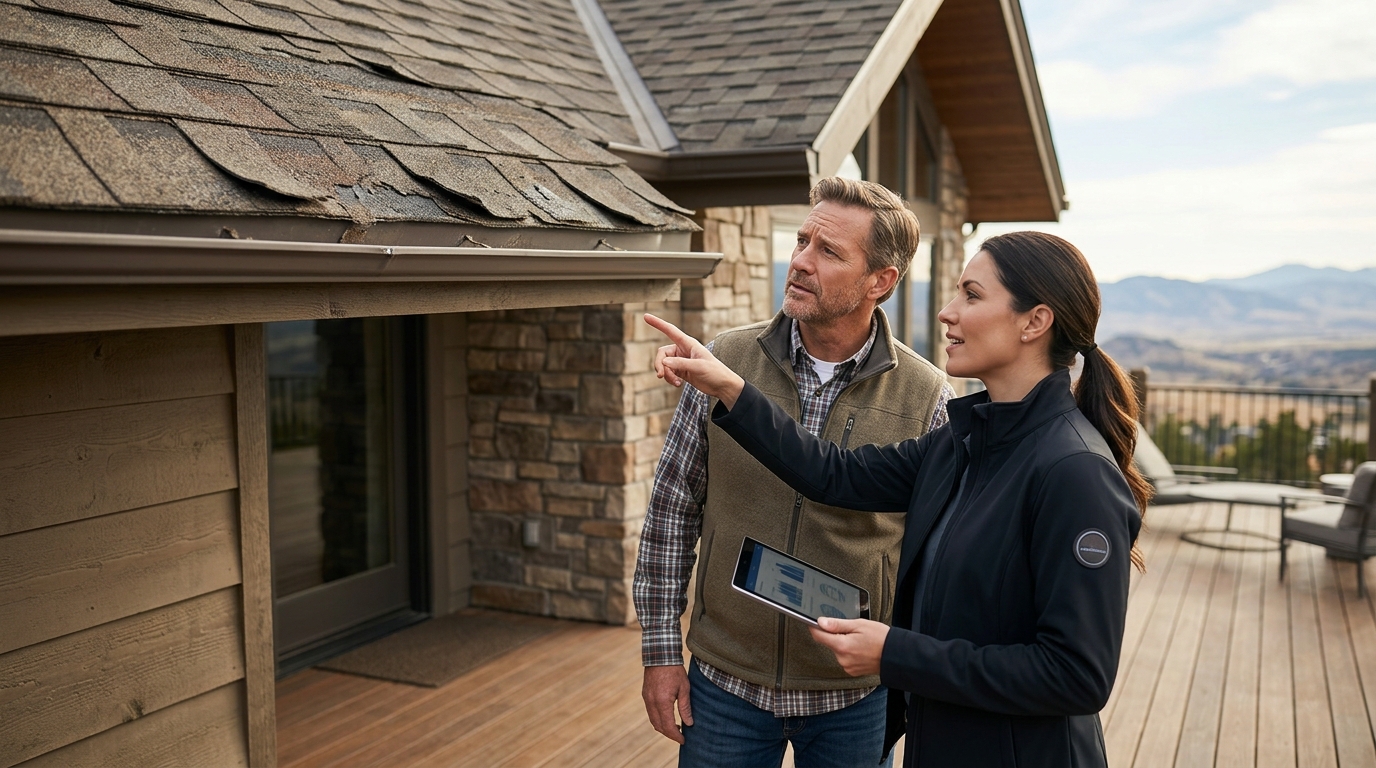
Colorado’s high-altitude environment subjects residential and commercial structures to some of the most aggressive weathering conditions in the United States. According to National Weather Service data, the Denver Metro area experiences an average of 240 days of sunshine annually, combined with intense UV radiation and rapid temperature fluctuations that accelerate material degradation. This unique climate profile means that roofing systems often fail years ahead of their standard lifespan. Homeowners must distinguish between cosmetic wear and structural compromise to avoid costly water damage or safety hazards. This guide outlines the definitive indicators that signal a full replacement is necessary rather than a simple repair.
Age and Lifespan of Your Roofing Material
The most objective indicator of roof health is its chronological age relative to its material specifications. Asphalt shingles, the most common residential roofing material in Colorado, typically last between 15 and 25 years. However, industry standards from the Roofing Contractor Association note that high-altitude UV exposure can reduce this lifespan by up to 20 percent. Metal roofing systems, often recommended for their durability in extreme weather, can last 40 to 70 years if properly maintained.
If your roof is approaching or has exceeded its expected lifespan, repairs become increasingly temporary and cost-ineffective. At this stage, the underlying decking and flashing are often compromised. Continuing to patch a system that has reached the end of its functional life is akin to putting a bandage on a failing engine. It addresses the symptom but ignores the systemic failure. Apex Restoration & Roofing provides comprehensive inspections to determine if your roof is in its final years of service.
Identifying Shingle Damage and Granule Loss
Visual inspection of your roof’s surface reveals critical health metrics. One of the most telling signs of advanced wear is granule loss. Asphalt shingles are coated with ceramic-coated granules that protect the asphalt from UV rays and provide fire resistance. When these granules wash away, they often accumulate in your gutters or downspouts. This phenomenon, known as granule loss, is the first step in shingle deterioration.
Look for the following specific damage patterns:
- Curling or Cupping: Shingles that curl at the edges or cup in the center indicate moisture absorption and thermal stress. This compromises the waterproofing seal.
- Cracking and Splitting: Brittle shingles that crack under minor pressure have lost their flexibility due to UV degradation.
- Missing Shingles: Areas where shingles have been torn off by wind leave the underlayment exposed to direct precipitation.
When more than 30 percent of your roof exhibits these issues, a full replacement is the only viable long-term solution. Partial repairs will not restore the uniform integrity of the roofing system. For detailed guidance on material selection, review our blog resources on composite vs. asphalt shingles.
Interior Signs of Roof Failure
The condition of your roof is often best assessed from the inside. Water intrusion does not always manifest as a visible leak immediately. It can travel along rafters and beams, causing damage far from the entry point. According to the Environmental Protection Agency, mold growth in attics and upper floors can begin within 24 to 48 hours of water exposure, posing significant health risks.
Key interior indicators include:
- Water Stains: Brown, yellow, or gray stains on ceilings or interior walls indicate active or past water intrusion.
- Sagging Decking: A sagging roof deck or ceiling suggests structural weakening of the plywood or OSB sheathing due to prolonged moisture exposure.
- Daylight Through the Roof: If you can see sunlight coming through the roof boards from your attic, your roof has critical gaps that require immediate attention.
Storm damage is a frequent culprit for these issues in Colorado. Our storm damage restoration services are designed to address these urgent structural failures before they escalate into major reconstruction projects.
Commercial Roofing and Flat Roof Considerations
Commercial properties face different challenges than residential homes. Flat roofs, common in Denver metro businesses, are prone to ponding water. Unlike sloped roofs that shed water quickly, flat roofs rely entirely on the integrity of the membrane. Building enclosure research indicates that standing water accelerates membrane breakdown and leads to leaks in as little as three years.
Commercial roofing systems such as TPO, PVC, and Modified Bitumen have specific failure modes. Blistering, splitting, and seam separation are common signs that a commercial roof needs replacement. If your commercial building is experiencing frequent interior leaks or rising energy bills due to compromised insulation, a full system replacement is likely necessary. Apex Roofing specializes in commercial roofing solutions tailored to the unique demands of Colorado’s climate.
Repair vs. Replacement Cost Analysis
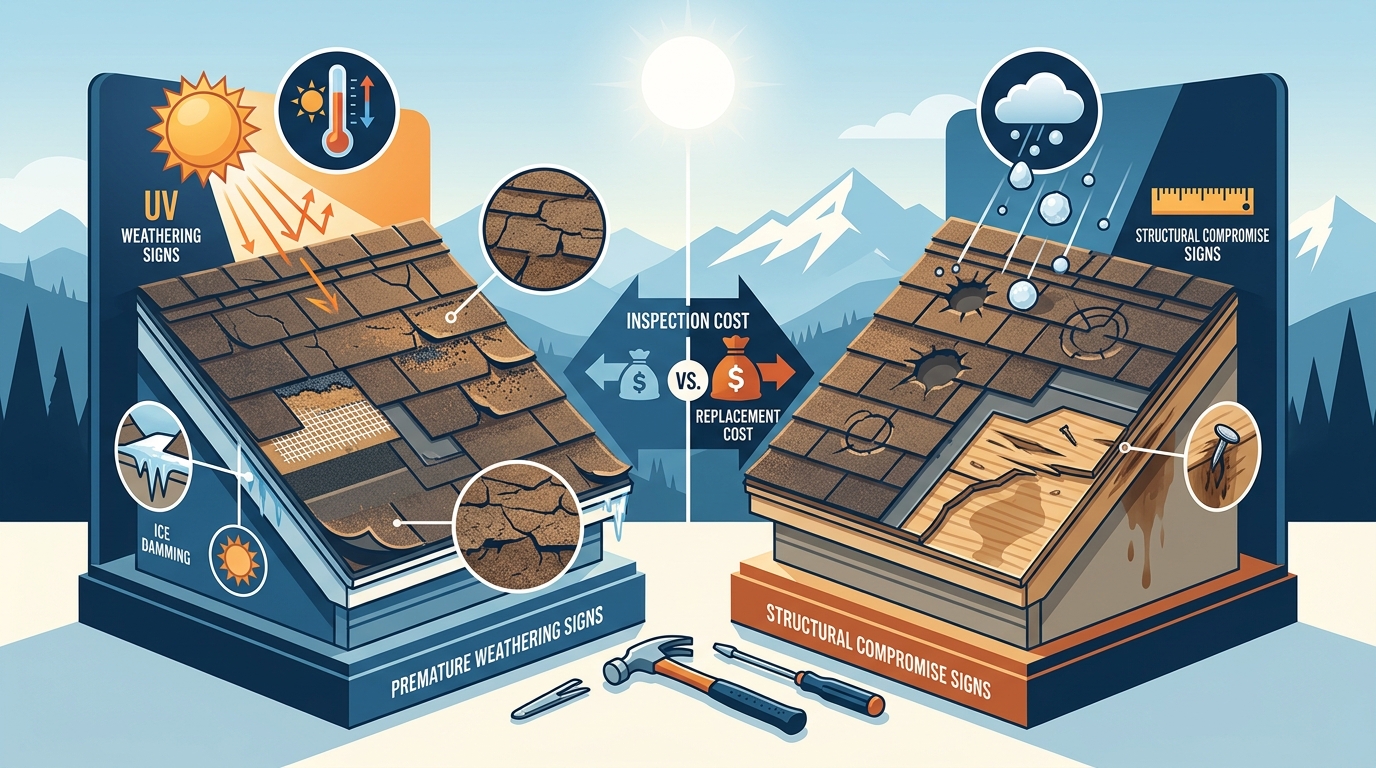
Deciding between repair and replacement requires a financial perspective. While repairs are cheaper upfront, they often become a recurring expense. If you are spending more than $1,000 annually on roof maintenance, or if the cost of repairs exceeds 50 percent of the cost of a new roof, replacement is the financially prudent choice.
| Factor | Repair | Full Replacement |
|---|---|---|
| Upfront Cost | Low ($500 - $1,500) | High ($8,000 - $25,000+) |
| Lifespan Extension | 2 - 5 Years | 15 - 50 Years |
| Energy Efficiency | No Improvement | Significant Improvement |
| Warranty Coverage | Limited/None | 10 - 30 Year Warranty |
| Property Value | Neutral | Positive Impact |
A new roof also enhances property value and curb appeal. Potential buyers in the Denver area view a new roof as a major selling point, reducing their perceived risk and negotiation leverage. For a detailed breakdown of service options, visit our residential roofing page.
Key Takeaways
- Roofs in Colorado’s high-altitude climate degrade faster due to intense UV exposure and temperature swings.
- Asphalt shingles typically last 15-25 years, but UV damage can shorten this lifespan significantly.
- Granule loss in gutters is a primary indicator of advanced shingle wear and reduced UV protection.
- Interior water stains or sagging ceilings indicate structural compromise that repairs cannot fix.
- Commercial flat roofs are susceptible to ponding water, which accelerates membrane failure.
- If repair costs exceed 50 percent of replacement costs, a full replacement is financially superior.
- A new roof provides a 10-30 year warranty and improves energy efficiency and property value.
Frequently Asked Questions
How do I know if my roof needs a full replacement?
If your roof is over 20 years old, has significant granule loss, shows signs of interior water damage, or requires frequent repairs, it likely needs a full replacement. A professional inspection can confirm the extent of the damage.
What is the average cost of a roof replacement in Colorado?
The average cost of a roof replacement in Colorado varies based on materials and home size, typically ranging from $8,000 to $25,000 or more. Metal roofs and high-impact shingles may cost more but offer greater durability against hail and wind.
Can I just replace the damaged shingles instead of the whole roof?
Replacing individual shingles is only viable if the damage is isolated and the rest of the roof is relatively new. If the roof is aging or has widespread wear, patching will not prevent future leaks and may void existing warranties.
Does Colorado weather affect roof lifespan?
Yes. Colorado’s high altitude results in stronger UV radiation and rapid temperature changes that cause materials to expand and contract. This accelerates wear and tear compared to lower-altitude regions.
How long does a roof replacement take?
A standard residential roof replacement typically takes 1 to 3 days, depending on the size of the home and the complexity of the roof. Commercial projects may take longer based on the scale of the installation.
What are the best roofing materials for Colorado?
Class 4 impact-resistant shingles, metal roofing, and composite materials are highly recommended for Colorado due to their resistance to hail, wind, and UV damage. These materials offer superior longevity in the local climate.
Will my insurance cover a full roof replacement?
Insurance typically covers roof replacement if the damage is caused by a covered peril, such as hail or wind storms. Standard wear and tear is not covered. Apex Restoration & Roofing can help you navigate the claims process.
Ready to Protect Your Home?
Do not wait for a leak to become a disaster. If you suspect your roof is nearing the end of its life, contact Apex Restoration & Roofing for a professional assessment. Our team provides transparent, honest evaluations to help you make the best decision for your property. Schedule your free roof inspection today and secure the future of your home.