
Water intrusion is one of the most critical threats to residential structural integrity in the Rocky Mountain region. According to recent industry data, delayed response to roof leaks can increase restoration costs by over 40 percent within the first year. This statistic highlights why immediate, informed action is essential for homeowners facing water damage. Apex Restoration & Roofing has established the gold standard for materials, techniques, and equipment in Colorado, ensuring that clients receive seamless solutions that are durable and well-equipped for long-term management. This guide provides a clear pathway to understanding the problem, assessing the damage, and knowing when to call professional experts.
Identify the Source of the Leak
Water does not always enter the roof at the point where it appears inside your home. Moisture travels along rafters, insulation, and drywall before dripping down. This phenomenon is known as the "traveler effect." To fix a leaking roof effectively, you must locate the entry point, not just the exit point.
Common Entry Points
Roof penetrations are the most frequent sources of leaks. These include plumbing vents, chimneys, skylights, and attic fans. The sealant around these penetrations degrades over time due to thermal expansion and contraction. In Colorado, where temperature swings can be extreme, this degradation happens faster than in milder climates. Denver roofs wear out faster due to these intense weather cycles.
Another common source is damaged or missing shingles. High winds can lift shingle edges, allowing water to seep underneath. If you have asphalt shingles, look for curling, cracking, or granule loss in your gutters. For metal roofing, check for loose fasteners or failed seam seals. Concrete tile roofs may have cracked tiles that need immediate replacement to prevent water from reaching the underlayment.
Attic Inspection
Before going onto the roof, inspect your attic during daylight hours. Look for sunlight piercing through the roof deck. Use a flashlight to check for dark stains on the wood sheathing or insulation. Wet insulation loses its R-value, reducing your home's energy efficiency. If you find wet insulation, it indicates an active leak that requires immediate attention. EPA guidelines on insulation emphasize the importance of maintaining dry insulation for optimal thermal performance.
Temporary Mitigation Steps
While you plan for a permanent repair, you must stop the water from causing further damage to your interior. This process is called temporary mitigation. It is not a fix, but a critical stopgap measure.
Contain the Water
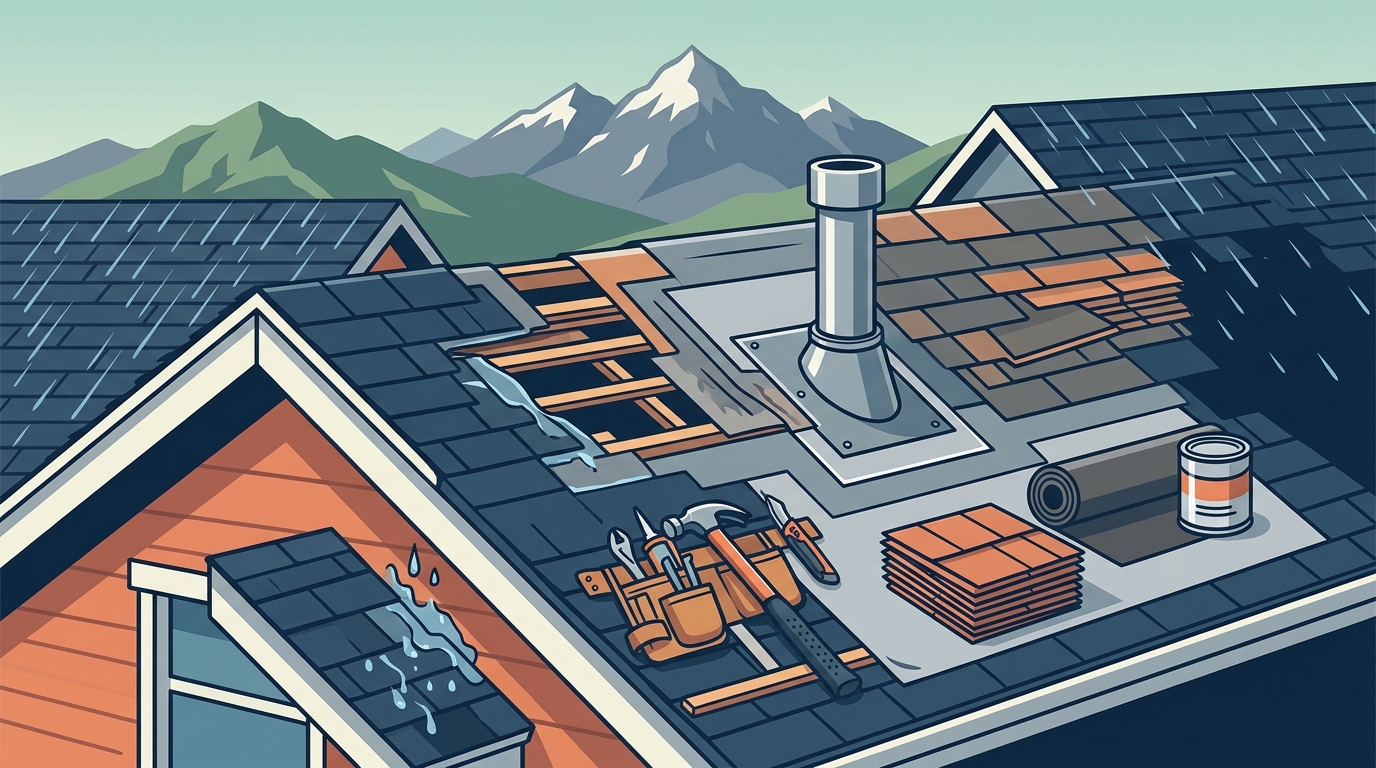
Place buckets or containers under active drips. Move furniture and electronics away from the leak area. If the ceiling is bulging, puncture it gently with a screwdriver to release trapped water. This prevents the drywall from collapsing suddenly and causing more damage. Red Cross safety tips recommend draining water from ceilings to prevent structural collapse.
Apply Temporary Covering
If you can safely access the roof, cover the suspected leak area with a heavy-duty plastic tarp. Secure the tarp with wooden battens or heavy roofing nails. Overlap the tarp edges by at least six inches. Tape the seams with waterproof roofing tape. Ensure the tarp extends well past the leak area to channel water away from the entry point. Never use duct tape or standard packing tape, as they will fail immediately under UV exposure and rain.
Material-Specific Repair Strategies
The method for fixing a leaking roof depends entirely on the roofing material. Apex Restoration & Roofing services the most popular residential roofs, including asphalt shingles, metal, and concrete tile. Each material requires a distinct approach.
Asphalt Shingle Repairs
For minor leaks in asphalt shingles, you can often replace just the damaged shingles. Lift the tabs of the surrounding shingles and slide a roofing knife underneath to cut the nails holding the damaged shingle in place. Remove the old shingle and replace it with a new one. Seal the new shingle with roofing cement. This is a manageable DIY task for homeowners with basic tools. However, if the leak is widespread, a full replacement may be more cost-effective.
Metal Roofing Repairs
Metal roofs are durable but can develop leaks at fastener points. The rubber washers on metal roofing screws degrade over time. Inspect all visible screws and replace any with cracked or missing washers. Use a high-quality sealant designed for metal roofing. For seam leaks, apply a specialized metal roof coating that bridges the gap and provides a waterproof barrier. Metal Construction Association standards provide detailed guidelines for maintaining metal roof integrity.
Flat Roof Repairs (TPO, PVC, EPDM)
Flat roofs are common in commercial buildings and modern residential designs. They rely on a continuous membrane. Leaks often occur at seams, flashings, or penetrations. For TPO and PVC roofs, heat welding is the most effective repair method. For EPDM rubber roofs, use a specialized EPDM adhesive and patch material. Always clean the area thoroughly before applying any patch. Moisture trapped under the patch will cause the leak to continue.
Comparison of Repair Methods
| Roof Material | Common Leak Cause | Recommended Repair Method | Difficulty Level |
|---|---|---|---|
| Asphalt Shingle | Wind damage, age | Shingle replacement | Medium |
| Metal | Fastener failure | Washer replacement | Easy |
| TPO/PVC | Seam separation | Heat welding | Hard |
| Concrete Tile | Cracked tiles | Tile replacement | Medium |
When to Call Professional Experts
While some repairs are DIY-friendly, many situations require the expertise of a certified roofing contractor. Apex Restoration & Roofing is one of the most committed and passionate roofing companies in all of Colorado. We provide in-depth inspections before laying down a comprehensive plan.
Signs You Need Professional Help
If the leak is coming from the ridge cap, valley, or flashing around the chimney, it is best to call a professional. These areas are complex and require precise installation to prevent water intrusion. If you are uncomfortable working at heights, do not attempt the repair. Falls from roofs are a leading cause of home improvement injuries. OSHA roofing safety regulations mandate strict adherence to fall protection protocols.
Additionally, if the leak is associated with storm damage, you may need to file an insurance claim. Insurance companies often require documentation from a licensed contractor. Apex team members have undergone rigorous training and possess the necessary skills to tackle any roofing challenge. We can provide the detailed reports needed for your claim.
The Cost of Delay
Ignoring a leak can lead to mold growth, rotting wood, and compromised structural integrity. Mold remediation can cost thousands of dollars more than a simple roof repair. By choosing Apex Restoration & Roofing, clients can feel comfortable with the work being done and how it will be managed from start to finish. We prioritize efficiency, ensuring that your roofing project is completed on schedule without sacrificing quality.
Preventing Future Roof Leaks
Once you have fixed the leak, take steps to prevent it from happening again. Regular maintenance is the key to roof longevity.
Regular Inspections
Inspect your roof at least twice a year, in the spring and fall. Look for missing shingles, damaged flashing, and clogged gutters. Clogged gutters cause water to back up under the roof edge, leading to leaks. Keep your gutters clean and free of debris. National Association of Home Builders guidelines recommend regular gutter maintenance to protect roof edges.
Attic Ventilation
Proper attic ventilation prevents ice dams in winter and reduces heat buildup in summer. Ice dams form when snow melts on the roof and refreezes at the eaves, forcing water under the shingles. Ensure your attic has adequate intake and exhaust vents. If you are unsure about your ventilation, consult with a professional. Apex Restoration & Roofing offers comprehensive roof assessments to evaluate your ventilation system.
Storm Damage Response
After a major storm, schedule an inspection immediately. Hail and wind can cause subtle damage that is not visible from the ground. Our roofing contractors have seen how much damage Colorado storms can do to buildings. It is highly recommended to schedule an inspection after to ensure your house is habitable and not going to pose a safety risk. Early detection can save you from a full roof replacement down the line.
Key Takeaways
- Water travels along structural elements before dripping, so locate the entry point, not just the exit point.
- Temporary mitigation involves using buckets and tarps to prevent interior damage while planning a permanent fix.
- Asphalt shingle repairs involve replacing individual shingles, while metal roofs often require fastener washer replacement.
- Flat roofs like TPO and PVC require heat welding or specialized adhesers for seam repairs.
- Complex leaks at ridges, valleys, or chimneys should be handled by professional experts to ensure safety and efficacy.
- Regular gutter cleaning and attic ventilation are critical for preventing ice dams and water backup.
- Apex Restoration & Roofing has spent years in the region working on local properties, establishing consistency and general quality.
Frequently Asked Questions
How long does it take to fix a roof leak?
Minor repairs, such as replacing a few shingles, can be completed in a few hours. Major repairs or full replacements may take several days, depending on the size of the roof and weather conditions. Apex Restoration & Roofing prioritizes efficiency to minimize disruption to your home.
Can I fix a roof leak myself?
Minor repairs on accessible, low-slope roofs can be DIY projects. However, working at heights is dangerous. If you are uncomfortable with heights or the leak is complex, it is best to call a professional. Safety should always be the top priority.
What is the best material for a leak-resistant roof?
Metal roofing and synthetic membranes like TPO and PVC are highly resistant to leaks when installed correctly. Asphalt shingles are common and effective but require more maintenance. The best material depends on your climate, budget, and architectural style.
How can I tell if my roof leak is covered by insurance?
Insurance typically covers sudden, accidental damage like storm damage. It usually does not cover wear and tear or lack of maintenance. You will need a professional inspection to document the cause of the leak for your insurance claim.
What is the average cost of a roof repair?
Costs vary widely based on the extent of the damage and the roofing material. Minor repairs may cost a few hundred dollars, while major repairs can cost thousands. Apex Restoration & Roofing offers free quotes to help you understand the specific costs for your project.
Why do Colorado roofs leak more often?
Colorado's extreme weather, including heavy snow, hail, and high winds, puts additional stress on roofing materials. Temperature fluctuations cause materials to expand and contract, leading to faster degradation. Regular inspections are essential in this climate.
How do I find a reliable roofing contractor?
Look for contractors with local experience, proper licensing, and insurance. Read reviews and ask for references. Apex Restoration & Roofing is a top-rated roofing contractor with years of experience serving the Denver Metro area.
Get Your Free Quote Today
Do not let a small leak become a major problem. Contact Apex Restoration & Roofing for a professional inspection and repair. Our team is dedicated to delivering premium results and high-quality materials. Visit our contact page to schedule your free quote. We are ready to help you protect your home with seamless solutions that are durable and well-equipped for the long run.