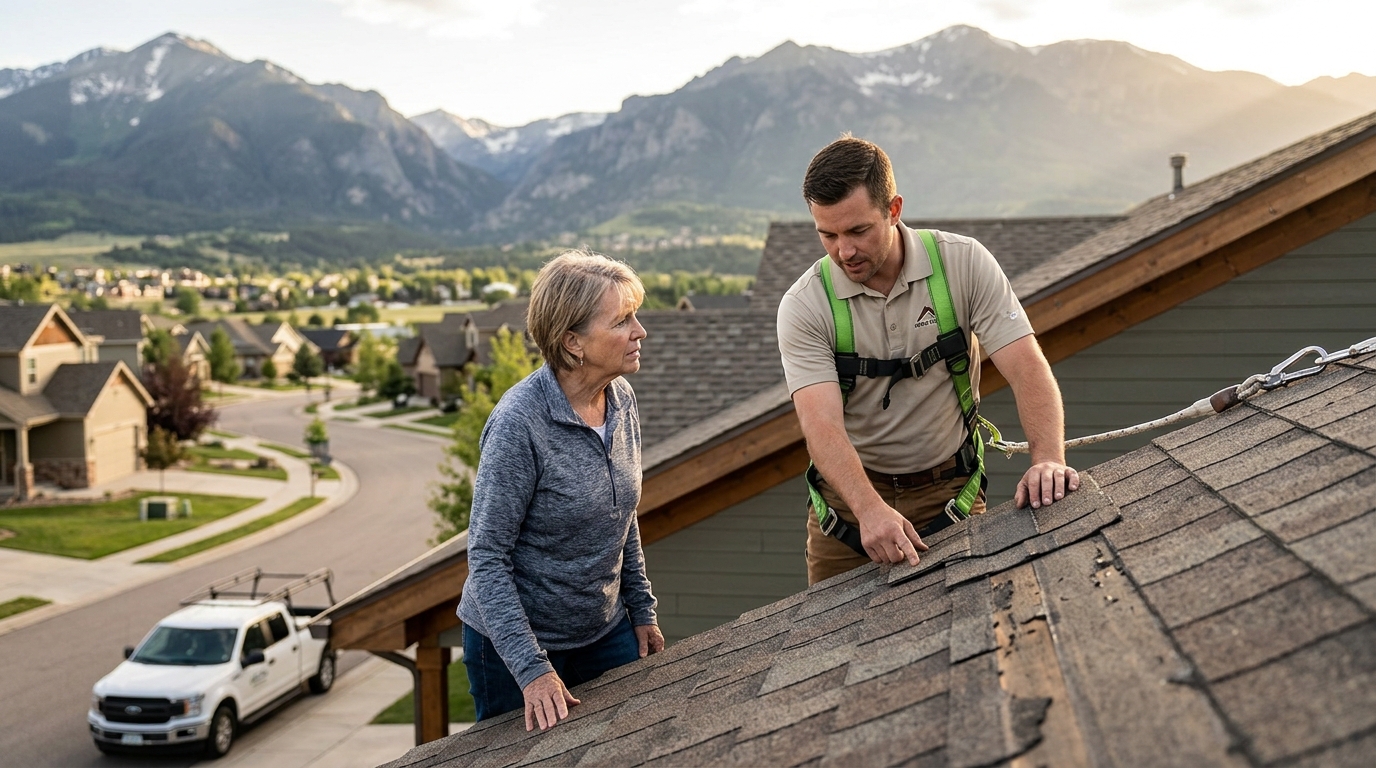
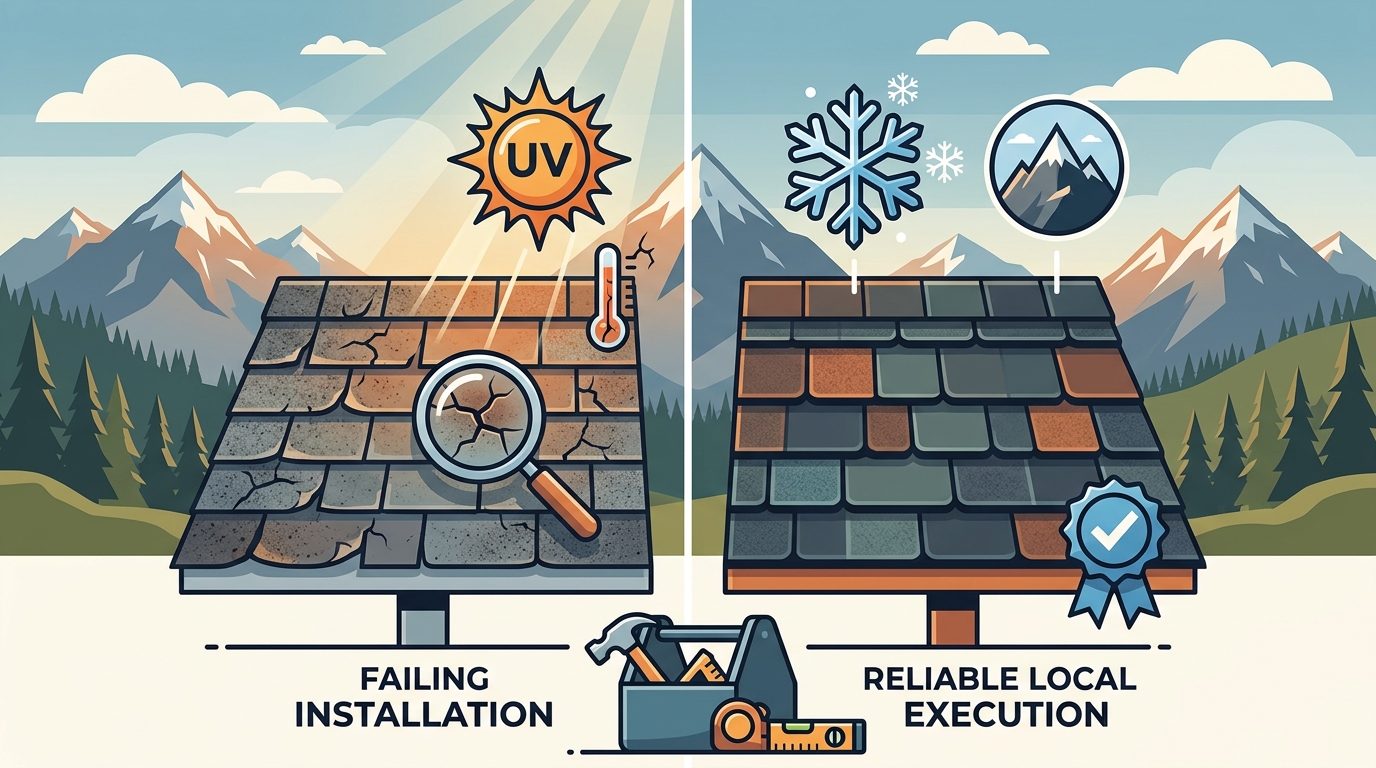
Finding a trustworthy roofing contractor is one of the most critical decisions a homeowner or business owner can make. In Colorado, the stakes are higher due to the state's unique climate challenges. According to recent industry data, homes in high-altitude regions experience up to 40% faster UV degradation on roofing materials compared to lower elevations. This accelerated wear means that standard installation practices often fail prematurely if not adapted to local conditions. You need a partner who understands these specific environmental pressures.
Step 1: Verify Credentials and Insurance
The first filter in your search must be legal and financial protection. A reliable local roofing company must be fully licensed, bonded, and insured. This is not just a formality. It protects you from liability if a worker is injured on your property. It also ensures that the company has met state regulatory requirements.
When you contact potential contractors, ask for proof of insurance immediately. Do not settle for verbal assurances. Request a certificate of insurance that lists your property as an additional insured party. This step eliminates risky operators who operate without proper coverage. It also signals that the company is a legitimate business entity committed to professional standards.
Look for companies that have been operating in the region for several years. Longevity often indicates stability and a proven track record. For example, Apex Roofing USA has established itself as a committed and passionate roofing company in all of Colorado. Their long-term presence in the market suggests they have navigated the economic and regulatory landscapes successfully.
Step 2: Assess Local Climate Expertise
Roofing is not a one-size-fits-all industry. What works in Florida fails in Colorado. You must find a contractor who understands the specific microclimates of your area. Denver, for instance, experiences intense UV radiation due to its high altitude. This radiation breaks down asphalt shingles and degrades sealants much faster than in other regions.
Ask potential contractors how they adjust their installation methods for high-altitude environments. Do they use specific adhesives? Do they recommend Class 4 impact-resistant shingles to withstand hail? A knowledgeable contractor will explain these nuances without hesitation. They will also be aware of local building codes that may differ from national standards.
Consider the seasonal challenges. Colorado winters bring heavy snow loads and rapid freeze-thaw cycles. These conditions can cause ice dams and water infiltration if the roof is not properly ventilated and insulated. A local expert will prioritize proper attic ventilation and ice and water shield installation. This proactive approach prevents costly interior damage later.
Step 3: Evaluate Material Options
A reliable roofer will not push a single product. They will offer options based on your budget, aesthetic preferences, and structural needs. In Colorado, material choice is heavily influenced by durability requirements. You need materials that can withstand thermal expansion and contraction.
Asphalt Shingles
Asphalt shingles remain the most popular choice for residential properties. However, not all shingles are created equal. In high-altitude areas, you should look for architectural or premium dimensional shingles. These offer better wind resistance and longer lifespans. Residential roofing professionals often recommend upgrading to Class 4 impact-resistant shingles in hail-prone zones.
Metal Roofing
Metal roofing is gaining traction in Colorado due to its longevity and energy efficiency. It reflects solar radiant heat, which can lower cooling costs. Metal roofs also shed snow effectively, reducing the risk of ice dam formation. While the upfront cost is higher, the lifespan often exceeds 50 years.
Commercial Options
For commercial properties, flat roof systems like TPO, PVC, and Modified Bitumen are common. Each has distinct advantages. TPO is known for its heat-welded seams, which provide excellent waterproofing. PVC is resistant to chemicals and fire. Commercial roofing contractors must understand the structural load limits and drainage requirements of flat roofs.
| Material Type | Best For | Lifespan | Colorado Suitability |
|---|---|---|---|
| Asphalt Shingles | Residential Aesthetics | 15-30 Years | High (with Class 4 rating) |
| Metal Roofing | Longevity & Efficiency | 40-70 Years | Very High |
| TPO | Commercial Flat Roofs | 20-30 Years | High |
| PVC | Chemical Resistance | 20-30 Years | High |
Step 4: Review the Inspection Process
How a company approaches the initial inspection reveals a lot about their professionalism. A reliable local roofing company will always start with a thorough, on-site inspection. They should not provide a quote over the phone or email without seeing the roof. Every roof has unique characteristics, such as flashing details, vent placements, and structural integrity issues.
During the inspection, the contractor should check for:
- Loose or missing shingles
- Damaged flashing around chimneys and vents
- Granule loss in gutters
- Sagging roof decks
- Moss or algae growth
They should also inspect the attic for proper ventilation and insulation. Poor ventilation is a leading cause of premature roof failure. It traps heat and moisture, which can rot the roof deck from the inside out. A comprehensive inspection plan ensures that you get an accurate estimate and a solution that addresses the root cause, not just the symptom.
Step 5: Compare Detailed Proposals
Once you have gathered estimates, compare them line by line. Do not simply choose the lowest bid. A low price often indicates corner-cutting on materials or labor. Look for proposals that specify the exact brand, model, and quantity of materials to be used. They should also detail the scope of work, including tear-off procedures and disposal methods.
Check for warranty terms. A reliable contractor will offer both a manufacturer’s warranty on materials and a workmanship warranty on labor. The workmanship warranty is crucial because it covers installation errors. Ensure the warranty is transferable if you plan to sell your home. This adds value to your property.
Also, consider the payment schedule. Be wary of contractors who demand full payment upfront. A standard schedule might include a deposit for materials, progress payments, and a final payment upon completion and inspection. This protects your cash flow and ensures the contractor is motivated to finish the job.
Step 6: Check Reputation and References
Online reviews are a valuable tool, but they should be interpreted with caution. Look for patterns in the feedback. Are there consistent complaints about missed appointments or poor communication? Or do reviews praise the team’s professionalism and cleanliness? Check multiple platforms, including Google, Yelp, and the Better Business Bureau.
Ask for local references. A reliable roofer will be happy to provide contact information for recent clients. Call these references and ask about their experience. Did the project stay on schedule? Was the site cleaned up properly? Did the contractor address any concerns promptly?
Word of mouth remains a powerful indicator of quality. If your neighbors or friends have had positive experiences with a local contractor, that is a strong signal. Client testimonials often highlight the consistency and quality of work that defines a reputable company. Look for companies that have built their reputation on reliability and craftsmanship.
Key Takeaways
- Verify Insurance: Always request a certificate of insurance to protect yourself from liability.
- Local Expertise: Choose a contractor who understands Colorado’s high-altitude UV and weather challenges.
- Material Choice: Consider Class 4 shingles or metal roofing for durability in hail-prone areas.
- Thorough Inspection: Ensure the contractor inspects both the roof surface and the attic ventilation.
- Detailed Proposals: Compare line items, warranties, and payment schedules, not just the bottom line.
- Reputation Check: Look for consistent positive feedback and ask for local references.
- Storm Damage: Schedule an inspection after major storms to catch hidden damage early.
Frequently Asked Questions
How often should I have my roof inspected in Colorado?
It is recommended to have your roof inspected at least once a year, preferably in the spring or fall. After severe weather events like hailstorms or heavy snow, an immediate inspection is crucial to prevent water damage.
What is the best roofing material for Colorado homes?
Class 4 impact-resistant asphalt shingles are highly recommended for residential homes due to their balance of cost and durability. Metal roofing is also an excellent choice for longevity and energy efficiency.
How do I know if my roof needs repair or replacement?
If your roof is over 20 years old, has significant granule loss, or shows signs of sagging, replacement may be necessary. Minor leaks or missing shingles can often be repaired. A professional inspection will provide a definitive answer.
Does Apex Roofing handle insurance claims?
Yes, Apex Roofing works closely with insurance companies to help streamline the claims process. They assist in documenting damage and ensuring you receive the coverage you deserve for storm damage restoration.
What areas does Apex Roofing serve?
Apex Roofing serves the Denver Metro area, including Englewood, Fort Collins, Colorado Springs, and surrounding regions. They have local offices to ensure quick response times.
Why is high-altitude roofing different?
High-altitude roofing requires materials and installation techniques that account for increased UV radiation and temperature fluctuations. Standard materials may degrade faster if not specifically rated for these conditions.
How long does a roof replacement take?
A typical residential roof replacement can take one to three days, depending on the size of the roof and weather conditions. Commercial projects may take longer due to their scale and complexity.
Ready to Protect Your Home?
Don’t leave your property’s protection to chance. Finding a reliable local roofing company requires diligence, but the peace of mind is worth the effort. If you are in Colorado and need expert roofing services, contact Apex Roofing USA today. Their team of skilled experts is dedicated to delivering top-notch roofing services. Visit our contact page to get a free quote and schedule your professional inspection.