
Essential Standards and Performance Criteria for Commercial Roof Selection
Commercial roofing systems are engineered to withstand extreme environmental stressors that residential structures rarely face. According to industry data, proper material selection can extend roof lifespan by up to 50% compared to generic installations, significantly reducing long-term operational costs for property managers and business owners. Selecting the right system requires understanding specific performance criteria, local climate impacts, and regulatory standards. This guide outlines the critical factors for making informed commercial roofing decisions. (Blog 8211 apexroofingusa com)
Climate Impact and Environmental Stressors
Commercial roofs operate in harsher environments than residential ones due to larger surface areas and exposure to UV radiation, wind uplift, and thermal cycling. In regions like Colorado, the Front Range experiences unique weather patterns that accelerate material degradation. Hail, high winds, and freeze-thaw cycles are primary drivers of premature roof failure.
According to the National Weather Service, hailstorms in the Denver metropolitan area cause billions of dollars in property damage annually, with commercial buildings often bearing the brunt of structural stress. Roofing materials must be rated for specific wind uplift classes and hail impact resistance. For example, UL 2218 Class 4 ratings indicate the highest level of impact resistance, which is crucial for areas prone to severe storms.
Thermal expansion and contraction also play a significant role. Materials that lack flexibility can crack under temperature swings, leading to leaks and structural compromise. Understanding the local climate is the first step in selecting a durable commercial roofing system.
Material Performance Criteria
Choosing the right material involves balancing cost, durability, and maintenance requirements. Below is a comparison of common commercial roofing materials based on performance metrics.
| Material Type | Lifespan | Wind Resistance | Energy Efficiency | Best For |
|---|---|---|---|---|
| EPDM (Ethylene Propylene Diene Monomer) | 20-30 years | High (if properly adhered) | Medium (can be coated) | Flat roofs, cost-effective solutions |
| TPO (Thermoplastic Polyolefin) | 15-25 years | Very High | High (reflective surface) | Energy-efficient buildings, sunny climates |
| PVC (Polyvinyl Chloride) | 20-30 years | Excellent | High | Buildings with chemical exposure, restaurants |
| Metal Roofing | 30-50+ years | Excellent | Medium (depends on coating) | Long-term durability, modern aesthetics |
EPDM and TPO: The Flat Roof Standards
EPDM is a synthetic rubber membrane known for its durability and resistance to UV radiation. It is often used in flat or low-slope commercial roofs. TPO, a single-ply thermoplastic, has gained popularity due to its heat-welded seams, which reduce the risk of leaks. Both materials offer different advantages depending on the building's specific needs.
Metal Roofing for Long-Term Value
Metal roofing systems, including standing seam and corrugated panels, provide exceptional longevity. They are highly resistant to fire, wind, and impact. While the initial investment is higher, the long-term savings from reduced maintenance and energy efficiency often justify the cost. Metal roofs are also recyclable, making them an environmentally responsible choice.
Industry Standards and Compliance
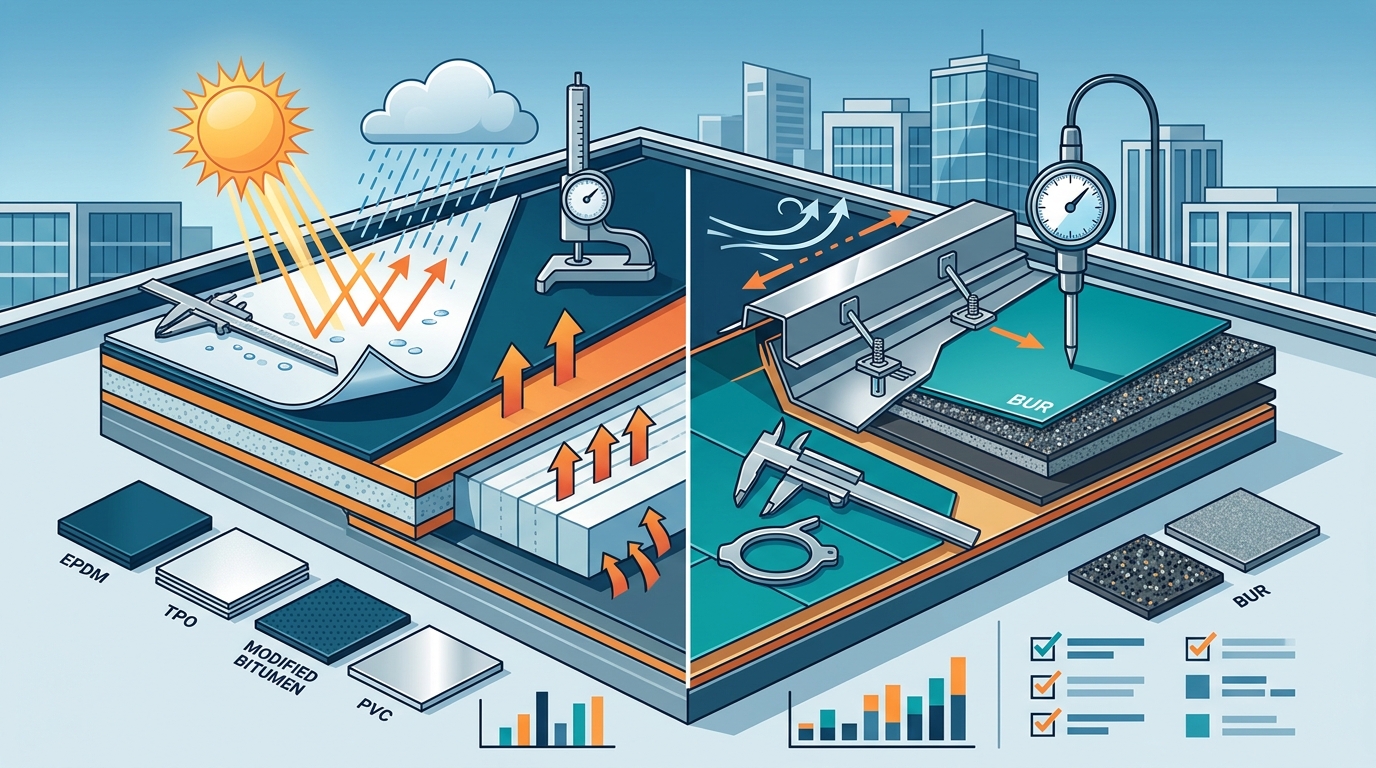
Commercial roofing must adhere to strict industry standards to ensure safety and performance. These standards are established by organizations such as the American Society for Testing and Materials (ASTM) and the Underwriters Laboratories (UL).
ASTM D6130 is the standard specification for EPDM roofing membranes, while ASTM D7464 covers TPO membranes. Compliance with these standards ensures that materials meet minimum performance requirements for tensile strength, elongation, and thermal stability. Additionally, UL 790 Class A ratings indicate fire resistance, which is critical for commercial buildings in fire-prone areas.
Local building codes also play a significant role. In Colorado, for instance, roofs must meet specific wind uplift requirements due to the state's frequent severe weather. Consulting with a GAF Certified roofing contractor ensures that installations comply with both national standards and local regulations.
Decision Framework for Property Owners
Selecting a commercial roof involves evaluating multiple factors beyond just material type. Property owners should consider the following criteria:
- Budget and Lifecycle Cost: Evaluate not just the installation cost but the long-term maintenance and replacement expenses. A cheaper roof may cost more over time due to frequent repairs.
- Building Usage: Roofs with heavy foot traffic or equipment need higher puncture resistance. Restaurants or facilities with HVAC units may require membranes resistant to oils and chemicals.
- Energy Efficiency Goals: Reflective coatings and light-colored materials can reduce cooling costs by reflecting sunlight. This is particularly important in sunny climates like Colorado.
- Warranty Coverage: Look for manufacturers that offer comprehensive warranties, including both material and labor coverage. A 5-year labor warranty is a common benchmark for quality workmanship.
- Local Expertise: Choose a contractor with experience in local climate conditions. Local roofers understand the specific challenges posed by regional weather patterns.
For property managers in the Denver area, working with a local team ensures that the roofing system is tailored to withstand Front Range weather. Commercial roofing services in Aurora and surrounding areas benefit from contractors who understand local building codes and insurance requirements.
Key Takeaways
- Commercial roofs face higher environmental stress than residential roofs, requiring materials with specific wind and hail resistance ratings.
- EPDM and TPO are leading choices for flat roofs, offering different balances of cost, durability, and energy efficiency.
- Metal roofing provides the longest lifespan, often exceeding 30 years, with excellent fire and wind resistance.
- Compliance with ASTM and UL standards is mandatory for safety and insurance purposes.
- Local climate impacts, such as hail and freeze-thaw cycles, must dictate material selection in regions like Colorado.
- Partnering with a GAF Certified contractor ensures adherence to industry best practices and warranty validity.
- Long-term value is determined by lifecycle costs, not just initial installation prices.
Frequently Asked Questions
What is the most durable commercial roofing material?
Metal roofing is generally considered the most durable, with lifespans ranging from 30 to 50 years or more. It offers superior resistance to fire, wind, and impact compared to single-ply membranes.
How do I choose between EPDM and TPO for my commercial roof?
EPDM is known for its elasticity and resistance to UV radiation, making it ideal for varying climates. TPO offers better heat-welded seams and higher reflectivity, which can reduce cooling costs. The choice depends on your budget and energy efficiency goals.
What are the key standards for commercial roofing compliance?
Key standards include ASTM D6130 for EPDM, ASTM D7464 for TPO, and UL 790 Class A for fire resistance. Local building codes also impose specific wind uplift and insulation requirements.
Why is local expertise important for commercial roofing?
Local contractors understand regional weather patterns, such as hail and wind risks, and can recommend materials that withstand these conditions. They also ensure compliance with local building codes and insurance requirements.
What warranty should I expect for a commercial roof?
Warranties vary by material and installer. Material warranties often range from 10 to 30 years, while labor warranties typically cover 5 years. A comprehensive warranty from a certified contractor provides peace of mind.
How does roof reflectivity impact energy costs?
Reflective roofs, such as white TPO or coated metal, can reduce cooling costs by up to 15% by reflecting sunlight. This is particularly beneficial in sunny climates like Colorado.
What is the role of a GAF Certified contractor?
A GAF Certified contractor has undergone rigorous training and adheres to strict installation standards. This certification ensures that the roof is installed correctly, maximizing its lifespan and warranty coverage.
Secure Your Commercial Property with Expert Roofing
Choosing the right commercial roofing system is a critical investment in your property's longevity and efficiency. By understanding performance criteria, industry standards, and local climate impacts, you can make an informed decision that protects your asset for decades. Contact Apex Roofing USA today to schedule a comprehensive inspection and receive a tailored recommendation for your commercial building.