
Denver homeowners face unique roofing challenges due to the Front Range's volatile weather patterns. According to the National Weather Service, the Denver metro area experiences an average of 23 days per year with hail, making roof durability a critical financial concern for property owners. When a storm hits, the temptation to hire the first crew that arrives is high, but this often leads to costly mistakes. Finding a trustworthy contractor requires a systematic approach to verification, local knowledge assessment, and warranty evaluation.
Step 1: Verify Certifications and Insurance
The first filter in your search must be technical qualification. Not all roofers are created equal. A reliable local roofing company will hold specific manufacturer certifications that authorize them to install premium materials with full warranty coverage. For example, being a GAF Certified™ Roofing Contractor is a significant benchmark in the industry. This designation requires rigorous training and financial stability checks, ensuring the contractor can stand behind their work.
Beyond manufacturer certs, you must verify general liability insurance and workers' compensation. If a contractor lacks proper coverage and an accident occurs on your property, you could be held liable for medical bills. Always request a certificate of insurance directly from their provider. Do not rely on a photocopy or a verbal assurance. This step eliminates unqualified operators immediately.
Step 2: Assess Local Weather Expertise
Roofing in Colorado is fundamentally different from roofing in Florida or Texas. The specific environmental stressors here dictate the materials and installation techniques required. A reliable roofer understands the physics of high-altitude sun exposure and freeze-thaw cycles. These factors cause shingles to become brittle and flashing to contract and expand rapidly, leading to leaks if not installed with precision.
When interviewing candidates, ask about their experience with specific local challenges. For instance, if you live in an area prone to heavy snow loads, they should discuss load-bearing calculations and ice dam prevention. If you are in a windy corridor, they should detail their fastening patterns and edge securing methods. A contractor who can speak fluently about the micro-climates of neighborhoods like Arvada or Aurora demonstrates the local accountability that distant "storm chasers" lack.
Step 3: Check Reputation and Reviews
Online reviews are a primary data point for vetting. However, you must look beyond the star rating. Look for detailed reviews that mention specific aspects of the job, such as cleanup, communication, and timeline adherence. A company with 180+ verified Google reviews provides a substantial sample size for analysis. Pay attention to how the company responds to negative feedback. A professional response indicates a commitment to customer service, whereas silence or defensiveness is a red flag.
Additionally, check for physical presence. A reliable local roofing company maintains a local office and employs local crews. This ensures that if a warranty issue arises years later, the company is still accessible. Companies that operate out of state or use transient crews often disappear after the initial storm season, leaving homeowners without support.
Step 4: Evaluate Insurance Claim Support
Most major roof replacements in Denver are covered by homeowners insurance. Navigating this process requires a contractor who acts as your advocate, not just a vendor. A trustworthy roofer will guide you through the adjuster meeting, help interpret the scope of damage, and ensure that the insurance company covers the full cost of necessary repairs. This includes hidden damage that may not be visible from the ground.
Be wary of contractors who suggest "upgrading" your roof at your own expense to make the insurance claim easier. This is often a sign of unethical practice. Instead, look for a partner who is transparent about what is covered and what is not. They should provide clear documentation and photos to support the claim. This level of support is crucial for avoiding out-of-pocket surprises.
Step 5: Compare Warranty Structures
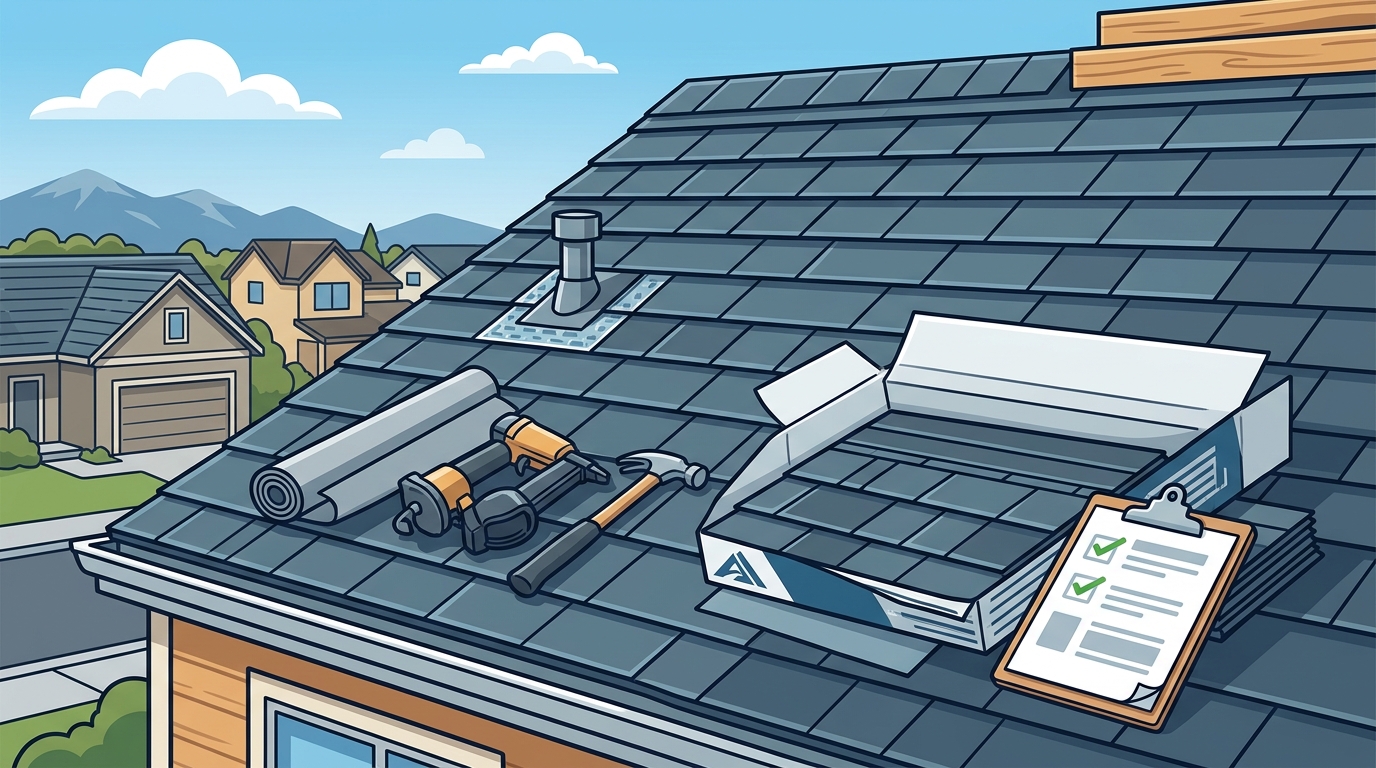
Warranties come in two main types: manufacturer material warranties and contractor labor warranties. The material warranty covers defects in the shingles or metal. The labor warranty covers the workmanship. A reliable local roofing company will offer a robust labor warranty, typically ranging from 5 to 10 years, or even a lifetime warranty for new installations. This warranty is your safety net against installation errors.
| Warranty Type | Coverage Scope | Typical Duration | Provider |
|---|---|---|---|
| Manufacturer Material | Defects in shingles/metal | 20-50 years | Shingle Manufacturer |
| Labor Warranty | Installation errors | 5-10 years | Roofing Contractor |
| System Plus | Combined material and labor | Lifetime | GAF Certified Contractors |
When comparing quotes, do not just look at the bottom line. A lower price often correlates with a shorter or non-existent labor warranty. Ensure you understand the transferability of the warranty if you plan to sell your home. A transferable warranty adds value to your property.
Final Questions to Ask Before Hiring
Before signing a contract, ask these critical questions to finalize your decision:
- Who will be the project manager? You need a single point of contact for communication.
- What is the cleanup process? Reliable crews use magnetic rollers to pick up nails and protect your landscaping.
- How do you handle unexpected damage? Ask for their protocol if they find rot or structural issues during the tear-off.
- Can you provide references from recent jobs? Speaking to past clients offers unfiltered insights.
- Is the contract detailed? It should include material specs, timeline, payment schedule, and warranty terms.
Key Takeaways
- Verify GAF Certified™ status to ensure manufacturer-backed warranty eligibility.
- Confirm the contractor has a physical local office, such as in Englewood, for long-term accountability.
- Check for at least 180+ verified reviews to gauge consistent customer satisfaction.
- Ensure the contractor offers a minimum 5-year labor warranty on new roofs.
- Assess their ability to guide you through the insurance claim process effectively.
- Prioritize contractors who understand Colorado-specific weather stressors like hail and freeze-thaw cycles.
Frequently Asked Questions
What is the best time of year to replace a roof in Denver?
Spring and early fall are typically the best times for roof replacement in Denver. These seasons offer moderate temperatures, which allow sealants to adhere properly. Summer can be too hot, causing shingles to become brittle during installation, while winter brings snow and ice that can delay projects.
How long does a typical roof replacement take?
A standard residential roof replacement usually takes 1 to 3 days, depending on the size of the home and the complexity of the roof. Larger commercial projects or those requiring extensive structural repair may take longer. A reliable local roofing company will provide a detailed timeline in the contract.
What is a GAF Certified™ Roofing Contractor?
A GAF Certified™ Roofing Contractor is a contractor who has met GAF's rigorous requirements for training, financial stability, and insurance. This certification allows them to offer the GAF System Plus Limited Warranty, which covers both materials and labor.
Do I need a permit for roof replacement in Denver?
Yes, most roof replacements in Denver require a building permit. Your roofing contractor should handle the permit application process as part of their service. This ensures the work meets local building codes and safety standards.
How do I know if my roof needs repair or replacement?
Signs include missing or curled shingles, granules in gutters, daylight visible through the roof boards, or leaks in the attic. If the roof is over 20 years old or has sustained significant storm damage, replacement is often more cost-effective than repeated repairs.
What should I look for in a roofing contract?
A comprehensive contract should include the scope of work, material specifications (brand, color, type), timeline, payment schedule, warranty details, and cleanup procedures. Avoid contracts that are vague or lack specific material names.
Why is local accountability important for roofing?
Local accountability ensures that the contractor is available for warranty claims and follow-up service. Out-of-state storm chasers may leave the area after the storm season, making it difficult to resolve issues that arise later.
Ready to Protect Your Home?
Finding a reliable local roofing company is about due diligence and verification. By following these steps, you can ensure your roof is installed correctly and backed by a trustworthy partner. If you are ready to start the process, request a free roof inspection from Apex Roofing. Our team is ready to provide honest guidance and dependable work for your Denver-area property.