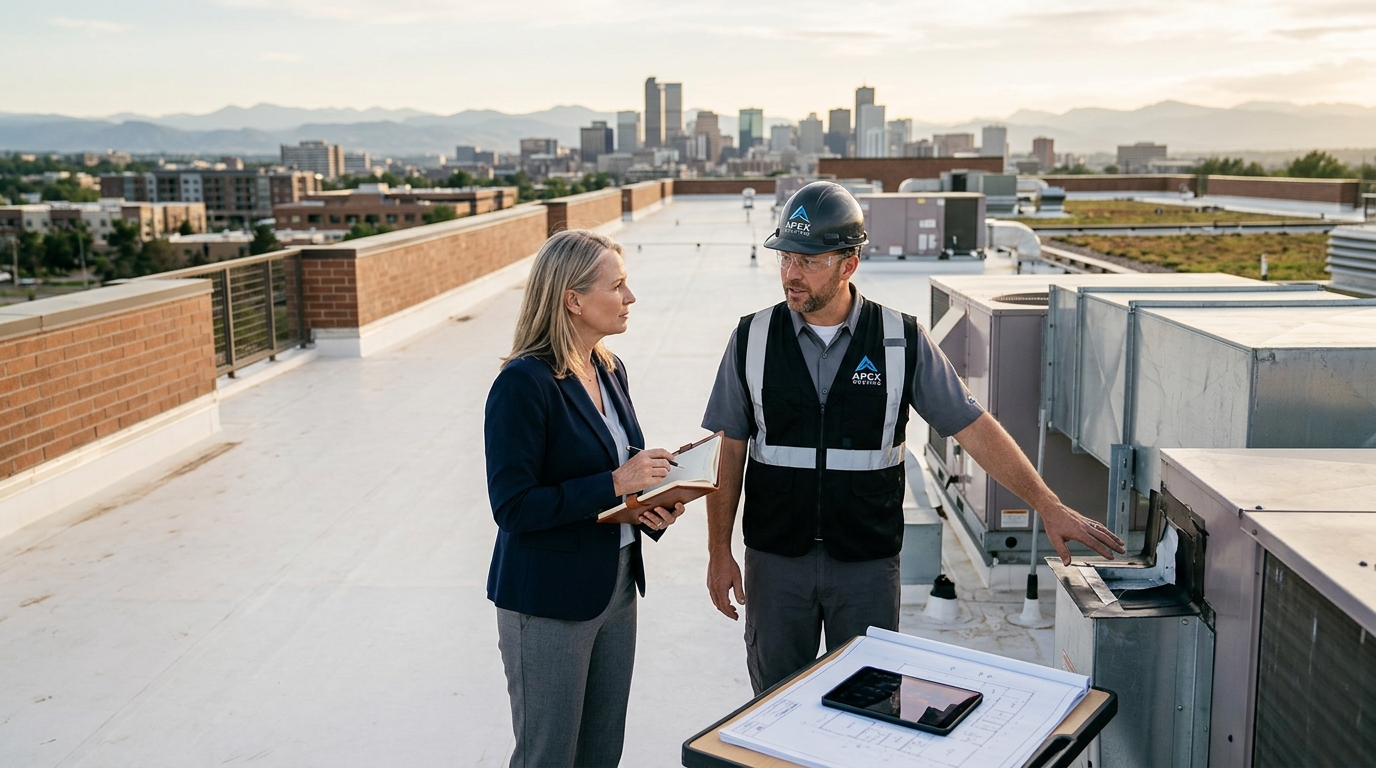
Commercial property owners face a unique set of challenges that residential homeowners rarely encounter. The scale of the asset, the complexity of the HVAC systems, and the rigorous demands of foot traffic create a high-stakes environment for roof maintenance. According to the National Roofing Contractors Association, approximately 85% of all commercial roof failures are caused by poor installation or maintenance practices rather than material defects. This statistic highlights a critical reality: the longevity of your commercial roof is largely determined by the decisions made during its initial installation and ongoing care. Ignoring these nuances can lead to catastrophic water intrusion, energy inefficiency, and costly premature replacements. (About Apex Roofing Colorado)
Ignoring Roof Aesthetics and Drainage
One of the most frequent errors in commercial roofing is prioritizing aesthetics over functional drainage. Many property managers choose roofing materials based solely on appearance, neglecting the critical slope and drainage patterns required for flat or low-slope roofs. Water pooling, or ponding, is the enemy of commercial roofing systems. When water sits on a roof for more than 48 hours after rainfall, it accelerates the degradation of membrane materials, leading to leaks and structural damage. (Roofing Company in Denver)
Proper drainage design must account for the specific climate of the region. In areas prone to heavy snowfall or intense rain, the roof must be designed to shed water quickly. This involves ensuring that gutters, downspouts, and internal drains are clear and adequately sized. Apex Roofing emphasizes that a roof is not just a barrier against the elements but a complex system that must manage water flow effectively. Ignoring these details can result in a roof that looks good but fails functionally within a few years. (Roofing Company Arvada CO)
Poor Installation Practices
Installation errors are the leading cause of premature roof failure. Common mistakes include improper seam sealing, incorrect fastener placement, and inadequate insulation installation. For example, in single-ply membrane systems, if the seams are not properly welded or adhered, water can infiltrate the roof deck. Similarly, if fasteners are not driven to the correct depth or torque, they can pull out during high winds, compromising the entire system. (Roofing Company Aurora CO)
Another critical aspect is the preparation of the roof deck. If the underlying surface is not clean, dry, and smooth, the new roofing material will not adhere properly. This can lead to blisters, wrinkles, and eventual failure. Professional contractors conduct thorough inspections of the deck before installation to ensure a solid foundation. Homeowners and business owners should never cut corners on this step, as it is the basis of the roof's longevity. (Roofing Company Boulder CO)
HVAC and Equipment Impact
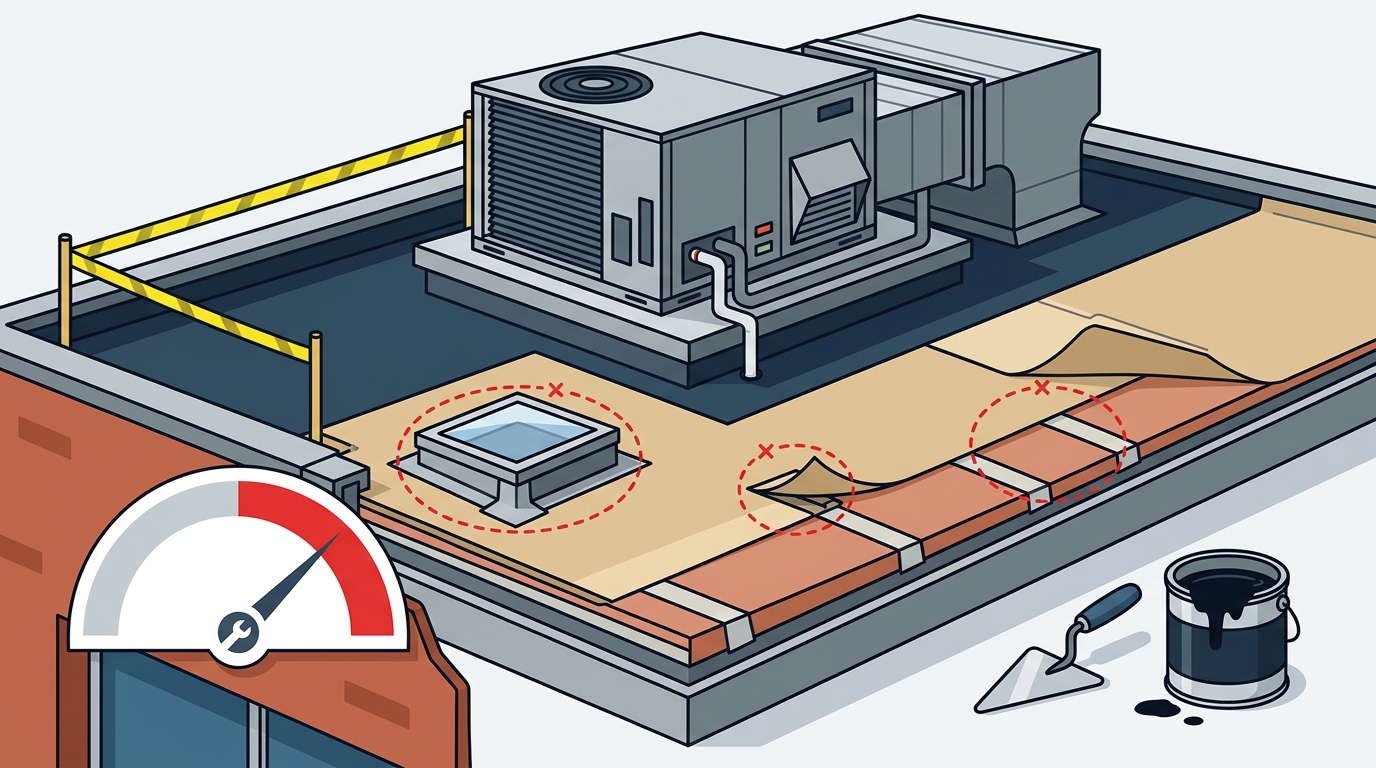
Commercial roofs often host a variety of equipment, including HVAC units, exhaust fans, and satellite dishes. A common mistake is failing to protect the roof membrane from the weight and vibration of this equipment. Heavy units can cause localized stress points, leading to punctures or tears in the membrane. Additionally, the vibration from HVAC systems can loosen seams and fasteners over time.
To avoid this, equipment should be mounted on proper curbs or pads that distribute the weight evenly. Flashing around these penetrations must be meticulously sealed to prevent water intrusion. Regular inspections of these areas are essential to ensure that the seals remain intact and that the equipment is stable. Apex Roofing provides comprehensive commercial roofing solutions that include the integration and protection of rooftop equipment, ensuring that your roof remains watertight and durable.
Maintenance Neglect
Many property owners operate under the misconception that commercial roofs are "install and forget" assets. This is a dangerous assumption. Regular maintenance is crucial for identifying and addressing minor issues before they become major problems. Common maintenance mistakes include ignoring small leaks, failing to clear debris from drains, and not inspecting the roof after severe weather events.
A proactive maintenance plan should include bi-annual inspections, typically in the spring and fall. During these inspections, a professional roofer will check for signs of wear, tear, and damage. They will also ensure that all drains and gutters are clear and that the flashing around penetrations is secure. By investing in regular maintenance, property owners can extend the life of their roof and avoid costly emergency repairs.
Contractor Selection Errors
Choosing the wrong contractor is perhaps the most significant mistake a property owner can make. Many business owners select contractors based solely on price, without considering their experience, certifications, or reputation. This can lead to subpar workmanship, use of inferior materials, and a lack of support when issues arise.
It is essential to choose a contractor who is licensed, insured, and certified by major roofing manufacturers. For example, being a GAF Certified™ Roofing Contractor, as Apex Roofing is, indicates a high level of expertise and adherence to industry standards. Additionally, local contractors often have a better understanding of regional weather patterns and building codes, which is crucial for ensuring the roof's performance and compliance.
Warranty Misunderstandings
Another common pitfall is misunderstanding the terms of the roofing warranty. Many property owners assume that a warranty covers all types of damage, including storm damage or wear and tear. However, most manufacturer warranties only cover material defects, not installation errors or damage caused by external factors.
To ensure full protection, property owners should seek out contractors who offer comprehensive labor warranties. Apex Roofing offers a 5-year labor warranty for new roofs, providing peace of mind that the workmanship is backed by a local, accountable team. Understanding the scope of your warranty is crucial for making informed decisions about repairs and replacements.
Key Takeaways
- Ponding Water is Critical: Water that remains on a roof for more than 48 hours significantly accelerates membrane degradation and leads to leaks.
- Installation Quality Matters: Approximately 85% of commercial roof failures are due to installation or maintenance errors, not material defects.
- HVAC Protection is Essential: Rooftop equipment must be mounted on proper curbs to distribute weight and prevent membrane punctures.
- Local Expertise is Valuable: Local contractors understand regional weather patterns, such as hail and freeze-thaw cycles, which are critical for roof longevity.
- Warranty Scope Varies: Manufacturer warranties typically cover materials only; labor warranties provide additional protection for workmanship.
- Regular Inspections Save Money: Bi-annual professional inspections can identify minor issues before they become costly emergencies.
- Certification Indicates Quality: GAF Certified™ status ensures the contractor meets high industry standards for installation and service.
Frequently Asked Questions
How often should I inspect my commercial roof?
Commercial roofs should be inspected at least twice a year, typically in the spring and fall. Additionally, inspections should be conducted after any severe weather events, such as hail storms or high winds, to identify potential damage early.
What is the difference between a manufacturer warranty and a labor warranty?
A manufacturer warranty covers defects in the roofing materials themselves, such as premature cracking or fading. A labor warranty covers the workmanship of the installation, protecting you if leaks or failures occur due to improper installation.
Why is ponding water bad for commercial roofs?
Ponding water adds unnecessary weight to the roof structure and accelerates the breakdown of roofing materials. It can also lead to algae growth and freeze-thaw damage in colder climates, which can cause cracks and leaks.
Can I install solar panels on my commercial roof?
Yes, many commercial roofs can support solar panel installations. However, it is crucial to ensure that the roof is in good condition and that the mounting system does not compromise the roof's integrity. A professional inspection is recommended before installation.
What should I look for in a commercial roofing contractor?
Look for a contractor who is licensed, insured, and certified by major manufacturers like GAF. They should have a strong local presence, positive customer reviews, and a clear understanding of your specific roofing needs.
How can I extend the life of my commercial roof?
Regular maintenance, including clearing debris, inspecting flashing, and addressing minor repairs promptly, can significantly extend the life of your commercial roof. Working with a reputable contractor for installations and repairs is also key.
What is the average lifespan of a commercial roof?
The lifespan of a commercial roof varies depending on the material and maintenance. TPO and EPDM roofs typically last 20-30 years, while metal roofs can last 40+ years. Proper installation and maintenance are critical to achieving these lifespans.
Protect Your Commercial Asset Today
Commercial roofing is a significant investment that requires careful planning, expert installation, and ongoing maintenance. By avoiding common mistakes such as poor drainage design, inadequate installation, and neglecting regular inspections, you can protect your property and maximize the lifespan of your roof. Apex Roofing is dedicated to providing high-quality commercial roofing solutions that stand the test of time. Contact us today to schedule a free inspection and ensure your roof is in optimal condition.