
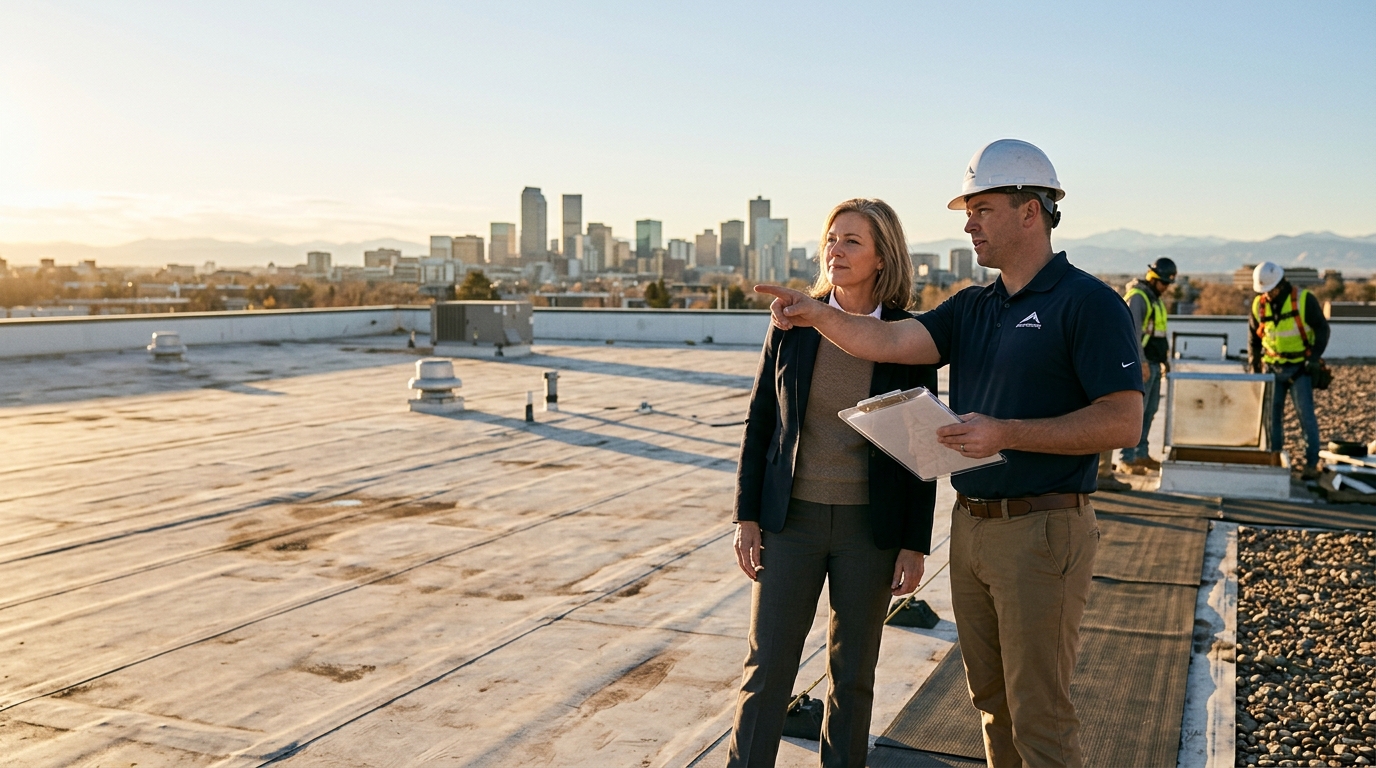
Commercial property owners in Denver face unique challenges when planning a roof replacement. The city's high-altitude environment subjects roofing systems to intense UV radiation, rapid temperature swings, and heavy snow loads. According to industry data, commercial roofs in the Front Range often require replacement every 15 to 20 years due to these harsh weather conditions. This guide outlines the essential steps to ensure your project is completed on time, within budget, and with minimal disruption to your business operations. (Blog 8211 apexroofingusa com)
Step 1: Conduct a Comprehensive Roof Assessment
The first step in planning a commercial roof replacement is a thorough inspection. Many Denver building owners wait until leaks appear, but by then, structural damage may have already occurred. A professional assessment identifies hidden issues such as blisters, cracks, and failed flashing.
Identifying Weather-Related Damage
Denver's climate is a primary factor in roof degradation. High-altitude sun exposure accelerates the aging of asphalt shingles and single-ply membranes. Additionally, freeze-thaw cycles can cause water to expand and contract within the roofing material, leading to premature failure. A certified contractor will evaluate these specific stress points to determine if a repair or full replacement is necessary.
Evaluating Current System Integrity
During the assessment, the contractor will check the condition of gutters, downspouts, and drainage systems. Poor water management is a leading cause of commercial roof failure. If your current system is less than 10 years old, a repair might suffice. However, if the roof is approaching the end of its lifespan, replacement is often more cost-effective in the long run.
Step 2: Establish a Realistic Budget and Timeline
Commercial roofing projects vary significantly in cost depending on the size of the building, the materials chosen, and the complexity of the installation. Understanding the financial scope is critical before hiring a contractor.
Cost Factors in Denver
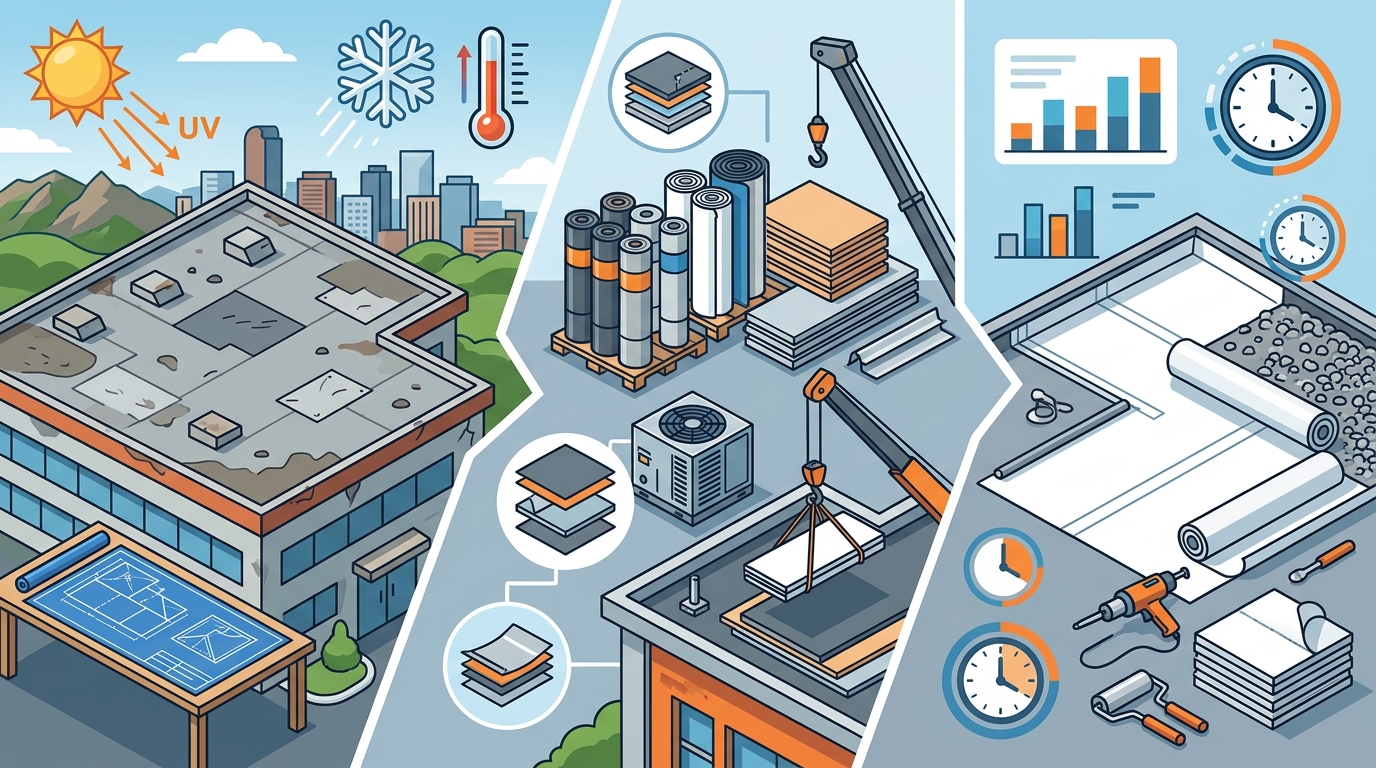
Several factors influence the final price of a commercial roof replacement. These include the square footage of the roof, the type of material selected, and the need for structural reinforcement. According to recent construction data, commercial roofing costs in the Denver area can range from $4 to $10 per square foot for standard materials, while high-performance systems may cost more. It is essential to get detailed quotes from multiple contractors to ensure accuracy.
Timeline Considerations
Weather delays are a common issue in Colorado. Roofing projects should be scheduled during the drier months, typically from late spring to early fall, to minimize the risk of rain or snow interruptions. A typical commercial roof replacement can take anywhere from two weeks to two months, depending on the scope of work. Planning for potential delays ensures that your business operations are not severely impacted.
Step 3: Select a Certified Local Contractor
Choosing the right contractor is perhaps the most critical decision in the planning process. A local contractor with experience in Denver's specific climate challenges is essential for a successful outcome.
Importance of Local Expertise
Out-of-state contractors may not fully understand the nuances of Colorado building codes and weather patterns. A local team, such as Apex Roofing, brings deep knowledge of regional issues like hail damage and wind exposure. Local contractors are also more accountable, as they have a reputation to maintain within the community.
Verifying Certifications and Insurance
Ensure your contractor holds relevant certifications, such as GAF Certified™ status, which indicates training and adherence to high-quality standards. Additionally, verify that they carry comprehensive liability insurance and workers' compensation. This protects your property and your business from potential liabilities during the project.
Step 4: Choose the Right Roofing Materials
The material you select will determine the longevity, energy efficiency, and aesthetic appeal of your commercial roof. Denver's climate demands materials that can withstand extreme temperature fluctuations and UV radiation.
Common Commercial Roofing Options
| Material Type | Lifespan | Best For | Cost Range |
|---|---|---|---|
| TPO (Thermoplastic Polyolefin) | 20-30 years | Energy efficiency, heat reflection | $$ |
| EPDM (Ethylene Propylene Diene Monomer) | 20-30 years | Weather resistance, durability | $$ |
| Metal Roofing | 40-70 years | Longevity, snow shedding | $$$ |
| Modified Bitumen | 15-20 years | Heavy foot traffic, repairability | $$ |
Evaluating Energy Efficiency
Energy-efficient roofing can significantly reduce cooling costs in the summer. White or reflective TPO membranes are popular in Denver because they reflect sunlight and reduce the heat island effect. Investing in high-performance materials can also qualify your business for energy rebates and tax incentives.
Step 5: Plan Operational Logistics and Safety
Commercial roof replacements involve heavy equipment, noise, and potential disruptions to daily business activities. Proper planning ensures that your operations continue smoothly.
Minimizing Business Disruption
Work with your contractor to schedule noisy or disruptive tasks during off-hours or weekends. If your business relies on roof access for deliveries or HVAC maintenance, coordinate these activities to avoid conflicts. Clear communication with your team about the project timeline and safety zones is essential.
Safety Protocols
Ensure that your contractor adheres to all OSHA safety regulations. A safe job site protects your employees, customers, and the roofing crew. Ask about their safety protocols, including fall protection, debris containment, and site cleanup procedures.
Step 6: Secure Warranties and Documentation
A new commercial roof is a significant investment. Protecting that investment with proper warranties and documentation is the final step in the planning process.
Understanding Warranty Coverage
Most reputable contractors offer both manufacturer warranties on materials and workmanship warranties on labor. A standard workmanship warranty might cover 5 to 10 years, while manufacturer warranties can extend up to 30 years. Read the fine print to understand what is covered, such as wind uplift or hail damage.
Documentation for Future Reference
Keep detailed records of the installation, including photos, material specifications, and warranty certificates. This documentation is valuable for future maintenance, insurance claims, and potential property sales. A well-documented roof history can also enhance the resale value of your commercial property.
Key Takeaways
- Assess Early: Don't wait for leaks. Regular inspections can identify issues before they become costly repairs.
- Budget Accurately: Commercial roofing costs in Denver typically range from $4 to $10 per square foot, depending on materials.
- Hire Local: Local contractors understand Denver's unique climate challenges and building codes.
- Choose Wisely: Materials like TPO and metal offer high durability and energy efficiency for the Front Range.
- Plan Logistics: Coordinate with your contractor to minimize business disruption and ensure safety.
- Secure Warranties: Obtain both manufacturer and workmanship warranties to protect your investment.
- Document Everything: Keep detailed records for future maintenance and property valuation.
Frequently Asked Questions
How long does a commercial roof replacement take in Denver?
A typical commercial roof replacement in Denver can take anywhere from two weeks to two months, depending on the size of the building and the complexity of the installation. Weather delays can also impact the timeline.
What is the best roofing material for Denver's climate?
TPO (Thermoplastic Polyolefin) and metal roofing are often recommended for Denver due to their ability to reflect UV radiation and withstand freeze-thaw cycles. EPDM is also a durable option for weather resistance.
How much does a commercial roof replacement cost?
Costs vary based on materials and scope, but commercial roofing in Denver typically ranges from $4 to $10 per square foot. High-performance systems may cost more but offer long-term energy savings.
Why is it important to hire a local roofing contractor?
Local contractors understand Denver's specific weather patterns, building codes, and insurance requirements. They are also more accountable and available for future maintenance and warranty claims.
What warranties are available for commercial roofs?
Most contractors offer workmanship warranties (5-10 years) and manufacturer warranties on materials (up to 30 years). It is crucial to review the coverage details for wind, hail, and material defects.
Can I replace my commercial roof during business hours?
Yes, but it requires careful planning. Coordinate with your contractor to schedule noisy tasks during off-hours and ensure that safety zones are clearly marked to protect employees and customers.
Ready to Start Your Commercial Roof Replacement?
Planning a commercial roof replacement in Denver requires careful attention to detail, local expertise, and reliable partners. Apex Roofing has been serving the Denver community since 2010, providing certified, warranty-backed roofing solutions for businesses and property managers. Contact us today to schedule your free commercial roof inspection and get a detailed plan for your project.