
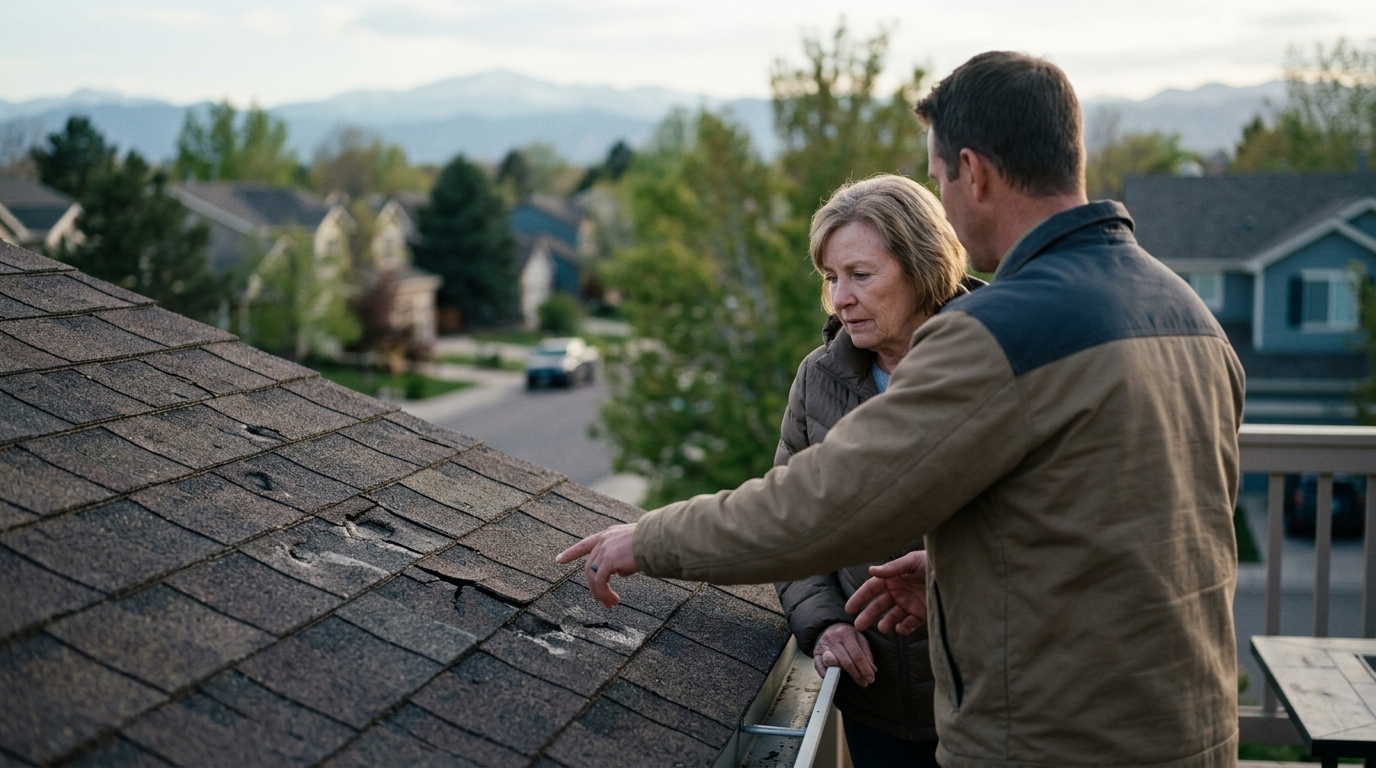
Colorado experiences some of the most volatile weather patterns in the United States, creating a unique set of challenges for property protection. According to the National Weather Service, the Front Range is frequently hit by severe hailstorms that can cause millions of dollars in property damage annually. When these storms strike, the difference between a minor repair and a full roof replacement often depends on how quickly you identify the damage and navigate the insurance process. This guide explains how to protect your home or business from the specific weather pressures that target the Denver metropolitan area. (About Apex Roofing Colorado)
Understanding Storm Mechanics in Colorado
Roofing in Colorado is not like roofing in most other parts of the country. The high altitude, intense UV exposure, and rapid temperature swings create a harsh environment for roofing materials. Research from the Colorado Climate Center indicates that hail frequency has increased significantly over the past two decades, particularly in the Denver metro area. This is not just about rain; it is about the kinetic energy of ice falling from the sky. (Blog 8211 apexroofingusa com)
The Impact of Hail and Wind
Hail damage is often subtle. A piece of hail the size of a marble can bruise asphalt shingles, breaking the protective granules that shield the asphalt from UV rays. According to the Insurance Institute for Homes and Communities, granule loss accelerates the aging process of a roof by up to 50 percent. Wind damage is equally destructive, lifting shingle edges and breaking the seal that keeps water out. When these two forces combine, they create entry points for water that can lead to structural rot, mold growth, and interior ceiling damage. (Roofing Company Arvada CO)
Freeze-Thaw Cycles
Even after the storm passes, the damage continues. Denver’s freeze-thaw cycles are relentless. Water that has seeped into tiny cracks from hail impact freezes at night, expanding and widening the damage. During the day, it thaws and seeps deeper. This cycle can turn a small, manageable leak into a major structural issue within weeks. Data from the Federal Emergency Management Agency shows that water damage is the most common type of home insurance claim, often stemming from delayed roof repairs.
Identifying Hidden Roof Damage
One of the biggest mistakes homeowners make is assuming that if there is no leak inside the house, the roof is fine. This is a dangerous misconception. According to the National Roofing Contractors Association, up to 90 percent of hail damage is invisible from the ground. The damage is often concentrated on the roof surface, where the impact has weakened the material without breaking through it.

Signs of Hail Damage
Look for the following signs during a safe visual inspection or during a professional assessment:
- Granule Loss: Check your gutters and downspouts for an accumulation of granules that look like black sand. This is a primary indicator of hail impact.
- Soft Spots: Gently press on shingles with a screwdriver (if safe to access). If the shingle feels soft or spongy, the matting inside has been compromised.
- Random Bruising: Hail damage appears as random, circular bruises on the shingles. Unlike wear and tear, which is uniform, hail damage is erratic and widespread.
- Exposed Matting: In severe cases, the hail may break through the shingle entirely, exposing the fiberglass or organic mat underneath.
Commercial Roof Vulnerabilities
Commercial properties face different risks. Flat roofs, common in business districts, are susceptible to punctures from large hail and pooling water. According to the Roofing Contractor Magazine, commercial roof failures are often due to poor drainage exacerbated by storm debris. Metal roofing on commercial buildings can also suffer from denting, which compromises the structural integrity of the panels and the sealant joints.
Navigating the Insurance Claim Process
After a major storm, insurance companies are flooded with claims. This creates a bottleneck that can delay your repairs for months. Understanding the process can help you advocate for yourself and ensure you get the coverage you are entitled to.
Step 1: Document the Damage
Before you call your insurance company, document everything. Take photos of the roof from the ground, of any interior damage, and of debris in your yard. According to the Insurance Information Institute, thorough documentation is the single most important factor in speeding up claim approval. Do not attempt to make temporary repairs that could be interpreted as altering the scene of the damage.
Step 2: The Adjuster’s Inspection
Your insurance company will send an adjuster to inspect the property. The adjuster’s goal is to determine the cost of repairs based on the policy terms. Research from the Consumer Federation of America suggests that homeowners who hire their own independent contractor often receive higher settlement offers because the contractor can identify damage the adjuster might miss.
Step 3: The Estimate and Approval
Once the adjuster provides an estimate, you will receive a settlement offer. This offer is often lower than the actual cost of repairs. This is where a reputable roofing contractor becomes essential. They can provide a detailed line-item estimate that challenges the adjuster’s findings and ensures all necessary repairs are covered.
Step 4: The Repair
After the claim is approved, the repair process begins. According to the Better Business Bureau, it is crucial to hire a licensed, local contractor who can stand behind their work. Avoid out-of-state storm chasers who may disappear after receiving payment, leaving you with no warranty support.
Selecting the Right Roofing Contractor
Choosing the right contractor is the most critical decision you will make after a storm. The wrong choice can lead to subpar work, warranty voids, and financial loss. Here is how to evaluate potential contractors.
| Criteria | Local Contractor | Storm Chaser |
|---|---|---|
| Physical Presence | Has a local office and team | Mobile, no fixed location |
| Warranty | Offers labor warranty | Limited or no labor warranty |
| Insurance Guidance | Assists with claims | Often discourages insurance use |
| Reputation | Verified local reviews | Fabricated or online-only reviews |
Why Local Expertise Matters
Local contractors understand the specific building codes and weather patterns of the Denver area. According to the National Association of Home Builders, local building codes often require specific materials and installation methods to withstand regional weather conditions. A local contractor will ensure your roof meets these standards, which is crucial for long-term durability and insurance compliance.
Certifications and Credentials
Look for contractors who are certified by major manufacturers like GAF. According to GAF’s official website, GAF Certified contractors undergo rigorous training and are authorized to offer enhanced warranties. This certification ensures that the contractor has the expertise to install roofing systems correctly, which is vital for maintaining the warranty validity.
Key Takeaways
- Storm Frequency: Colorado’s Front Range experiences frequent severe hailstorms, requiring specialized roofing knowledge.
- Hidden Damage: Up to 90 percent of hail damage is invisible from the ground, necessitating professional inspection.
- Insurance Claims: Documenting damage thoroughly is critical for a successful insurance claim process.
- Local Contractors: Hiring a local contractor ensures accountability and adherence to regional building codes.
- Certifications: GAF Certified contractors offer enhanced warranties and proven expertise.
- Warranty Support: Local companies provide long-term labor warranties, unlike transient storm chasers.
- Timely Action: Delaying repairs can lead to increased damage and higher insurance deductibles.
Frequently Asked Questions
How soon after a storm should I inspect my roof?
You should inspect your roof as soon as it is safe to do so. According to the Insurance Institute for Business and Home Safety, early detection of damage can prevent minor issues from becoming major structural problems. If you cannot safely access the roof, hire a professional immediately.
Can hail damage be repaired without replacing the roof?
In some cases, yes. Minor hail damage can often be repaired by replacing individual shingles. According to the National Roofing Contractors Association, if the damage is widespread or the roof is near the end of its lifespan, a full replacement may be more cost-effective.
What is the difference between a manufacturer’s warranty and a labor warranty?
A manufacturer’s warranty covers defects in the roofing materials themselves. According to the Consumer Product Safety Commission, a labor warranty covers the workmanship of the installation. Both are essential for comprehensive protection.
How do I know if I have a storm chaser contractor?
Storm chasers often lack a local physical office and may pressure you to sign contracts immediately. According to the Federal Trade Commission, consumers should verify the contractor’s license and physical address before signing any agreements.
Does my insurance cover storm damage?
Most standard homeowners insurance policies cover sudden and accidental damage from storms, including hail and wind. According to the Insurance Information Institute, it is important to review your policy’s deductible and coverage limits before filing a claim.
What materials are best for Colorado weather?
Impact-resistant shingles and metal roofing are highly recommended for Colorado. According to the Building Science Corporation, these materials offer superior resistance to hail and UV degradation compared to standard asphalt shingles.
How long does a roof replacement take?
A typical residential roof replacement takes one to three days, depending on the size and complexity. According to the National Association of Home Builders, weather conditions can also impact the timeline, so scheduling flexibility is important.
Get Your Free Inspection Today
Do not wait for a leak to appear before acting. Protect your property with a professional inspection from a trusted local expert. Apex Roofing has been serving the Denver metro area since 2010, providing honest guidance and dependable work. We are GAF Certified and offer a 5-year labor warranty on new roofs. Contact us today to schedule your free roof inspection and ensure your home is storm-ready.