
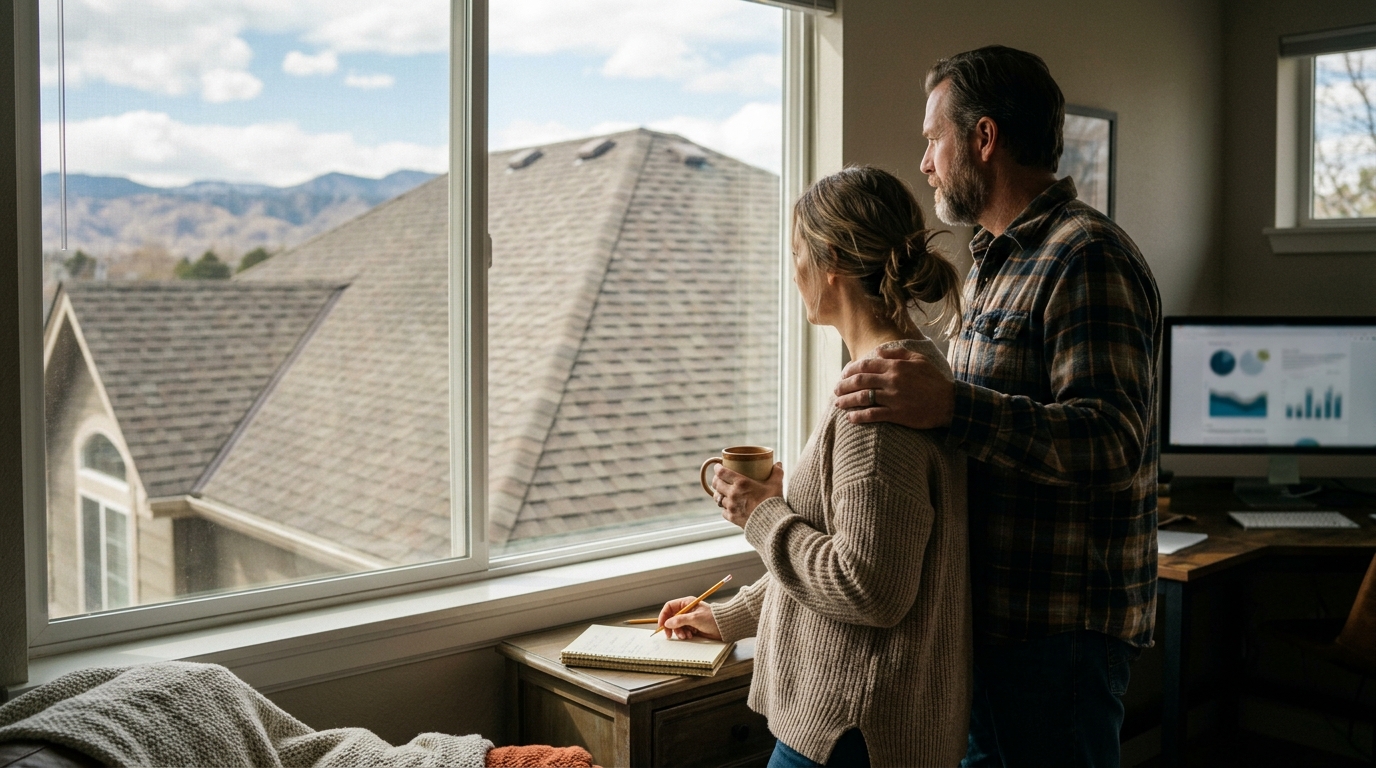
Denver homeowners face a unique financial landscape when replacing a roof. The city experiences severe weather patterns, including hail, high winds, and rapid freeze-thaw cycles, which accelerate roof aging. According to recent industry data, over 60% of homeowners in the Front Range underestimate the total cost of a replacement by ignoring hidden structural repairs. This guide outlines the critical financial errors to avoid, ensuring you protect your property and your wallet.
Ignoring Insurance Coverage Opportunities
One of the most significant financial mistakes Denver homeowners make is treating a roof replacement as a purely out-of-pocket expense when it might be partially or fully covered by insurance. Denver’s climate subjects roofs to intense hail and wind damage. If your roof was damaged by a recent storm, you may be eligible for a claim. However, navigating insurance claims requires expertise. Many homeowners attempt to handle this alone, leading to denied claims or undervalued payouts. Understanding your policy details is the first step. Apex Roofing provides free inspections to determine if storm damage qualifies for insurance support. By working with a local contractor who understands the claims process, you can potentially save thousands of dollars. Do not assume your roof is just "old" without a professional assessment of storm-related wear.
Choosing the Lowest Bidder Without Vetting
In the competitive Denver market, it is tempting to accept the lowest quote. However, the roofing industry is rife with "storm chasers"—out-of-state contractors who move into the area after a major weather event. These companies often offer low prices but lack local accountability. They may use inferior materials, skip proper flashing installation, or disappear when warranty issues arise. A reputable local contractor, such as Apex Roofing, operates from a permanent base in Englewood. This local presence ensures they are available for long-term support. Always verify that your contractor is licensed, insured, and holds certifications like GAF Certified™ status. The cost of a failed roof replacement far exceeds the savings from a cheap initial bid.
Overlooking Gutter and Drainage Costs
A new roof is only as good as the system that manages water runoff. Many homeowners finance the shingles and underlayment but forget to budget for gutters and downspouts. In Denver, heavy snowmelt and summer thunderstorms can overwhelm outdated or damaged gutters. If water backs up under your new roof’s edge, it can cause rot, ice dams, and foundation damage. This mistake turns a new roof into a liability. When financing, include a line item for gutter repair or replacement. Proper drainage protects your home’s structural integrity and extends the life of your new roofing materials. Professional gutter installation is a critical component of a complete roof replacement project.
Selecting the Wrong Financing Product
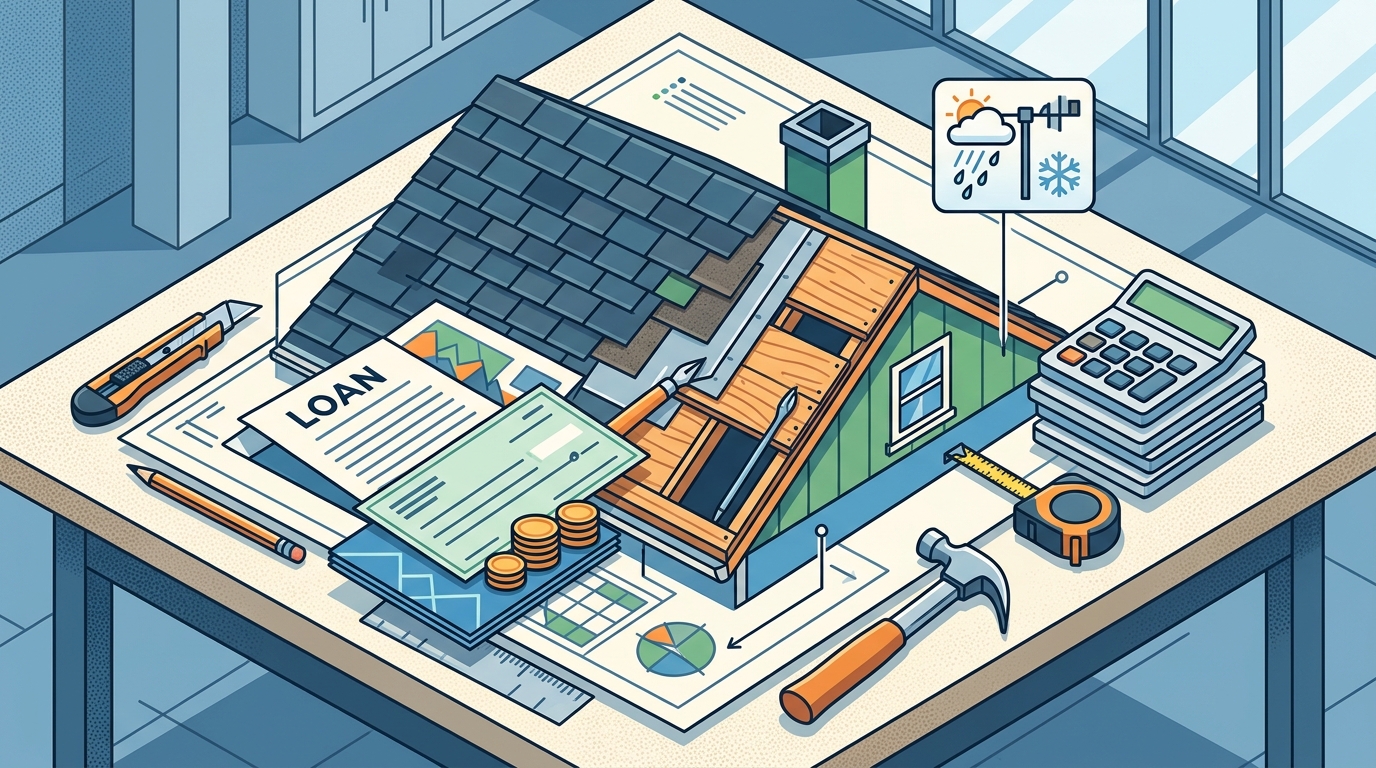
Roof replacements are significant investments, often ranging from $10,000 to $30,000 or more depending on the size and materials. Homeowners frequently choose the first financing option presented to them without comparing terms. Common mistakes include selecting high-interest credit cards, taking out unsecured personal loans with short repayment periods, or using home equity lines of credit (HELOCs) without understanding the variable rate risks. It is essential to compare fixed-rate home improvement loans against secured options. Some contractors offer financing options tailored for roofing projects. These may offer promotional periods with low or zero interest. Read the fine print carefully. Ensure the monthly payments fit comfortably within your budget to avoid defaulting on the loan.
Neglecting Warranty and Labor Terms
When financing a roof, you are paying for both materials and labor. A common error is focusing solely on the manufacturer’s material warranty while ignoring the contractor’s labor warranty. Manufacturer warranties often cover defects in the shingles themselves but do not cover installation errors. If the roof leaks due to poor flashing or nailing, the manufacturer will not pay for the repair. You need a contractor who stands behind their work. Apex Roofing offers a 5-year labor warranty on new roofs. This warranty provides peace of mind that the installation quality is guaranteed. Always ask for the specific labor warranty terms in writing before signing a contract. This protection is invaluable in Denver’s harsh climate where installation precision is critical.
Failing to Plan for Permit Fees
Denver has strict building codes and permit requirements for roof replacements. Homeowners often forget to include permit fees in their financing budget. These fees vary by municipality but can add several hundred dollars to the total cost. Additionally, some neighborhoods have HOA restrictions that require architectural review before work begins. Failing to secure permits can result in fines, forced removal of the new roof, or difficulties when selling the home. Ensure your contractor handles all permit applications as part of their service. This step ensures the work meets local safety standards and protects your property value. Contacting a local expert early in the process helps navigate these regulatory hurdles smoothly.
Key Takeaways
- Insurance First: Always check for storm damage eligibility before paying out of pocket. Over 60% of Denver roofs have hidden hail damage.
- Local Accountability: Choose a contractor with a permanent local office, such as Englewood, to ensure long-term warranty support.
- Complete Budgeting: Include gutter and drainage upgrades in your financing to prevent water damage to the new roof.
- Financing Comparison: Compare fixed-rate loans against contractor financing to find the lowest total cost of borrowing.
- Labor Warranties: Verify the contractor offers a labor warranty, such as Apex Roofing’s 5-year guarantee, to protect against installation errors.
- Permit Compliance: Ensure all Denver building permits are secured to avoid fines and legal issues.
- Certified Contractors: Prioritize GAF Certified™ contractors who use premium materials and follow strict installation standards.
Frequently Asked Questions
How much does a roof replacement cost in Denver?
The average cost of a roof replacement in Denver typically ranges from $10,000 to $30,000, depending on the size of the home, the complexity of the roof pitch, and the materials chosen. Hail damage repairs can sometimes be covered by insurance, reducing the out-of-pocket cost significantly.
Can I finance a roof replacement with my home equity?
Yes, many homeowners use Home Equity Lines of Credit (HELOCs) or home equity loans to finance roof replacements. These options often offer lower interest rates than credit cards. However, they use your home as collateral, so defaulting on the loan could risk foreclosure.
What is the difference between material and labor warranties?
A material warranty covers defects in the shingles or roofing components themselves, provided by the manufacturer. A labor warranty covers the workmanship of the installation, provided by the contractor. Both are essential for full protection against leaks and failures.
Do I need a permit for a roof replacement in Denver?
Yes, Denver requires permits for most roof replacements. The permit ensures the work meets local building codes for wind uplift, fire resistance, and structural integrity. Your contractor should typically handle the permit application process.
How do I know if my roof damage is covered by insurance?
Insurance typically covers sudden, accidental damage like hail or wind. It does not cover wear and tear or age-related deterioration. A professional inspection can determine if the damage meets the threshold for an insurance claim. Free inspections are available to assess this.
What financing options are available for roofing?
Common options include personal loans, home equity loans, HELOCs, credit cards, and specialized contractor financing. Contractor financing may offer promotional periods with low interest. Compare the annual percentage rate (APR) and total repayment amount for each option.
Why is it important to hire a local roofing company?
Local companies understand Denver’s specific weather challenges, such as freeze-thaw cycles and high-altitude sun exposure. They are also more accountable for their work and easier to contact for warranty claims compared to out-of-state contractors.
Secure Your Home’s Future Today
Financing a roof replacement in Denver requires careful planning and expert guidance. Avoid costly mistakes by prioritizing local accountability, comprehensive budgeting, and smart financing choices. Apex Roofing has served the Colorado Front Range since 2010, providing trusted roofing solutions and insurance claim support. Do not leave your home’s protection to chance. Schedule your free roof inspection today to get an accurate estimate and explore your financing options with confidence.