Choosing the Right Commercial Roofing Material for Your Denver Building
Denver’s high-altitude environment subjects commercial buildings to extreme weather stressors, including intense UV radiation, rapid temperature fluctuations, and heavy snow loads. According to the National Weather Service, the Denver metropolitan area experiences an average of 250 days of sunshine annually, which accelerates the degradation of standard roofing polymers. Property owners must select materials that withstand these specific environmental pressures to avoid premature failure and costly emergency repairs. This guide analyzes the top commercial roofing systems available for Colorado businesses, evaluating their durability, cost efficiency, and suitability for the Front Range climate. (About Apex Roofing Colorado)
Understanding Denver's Climate Impact on Roofs
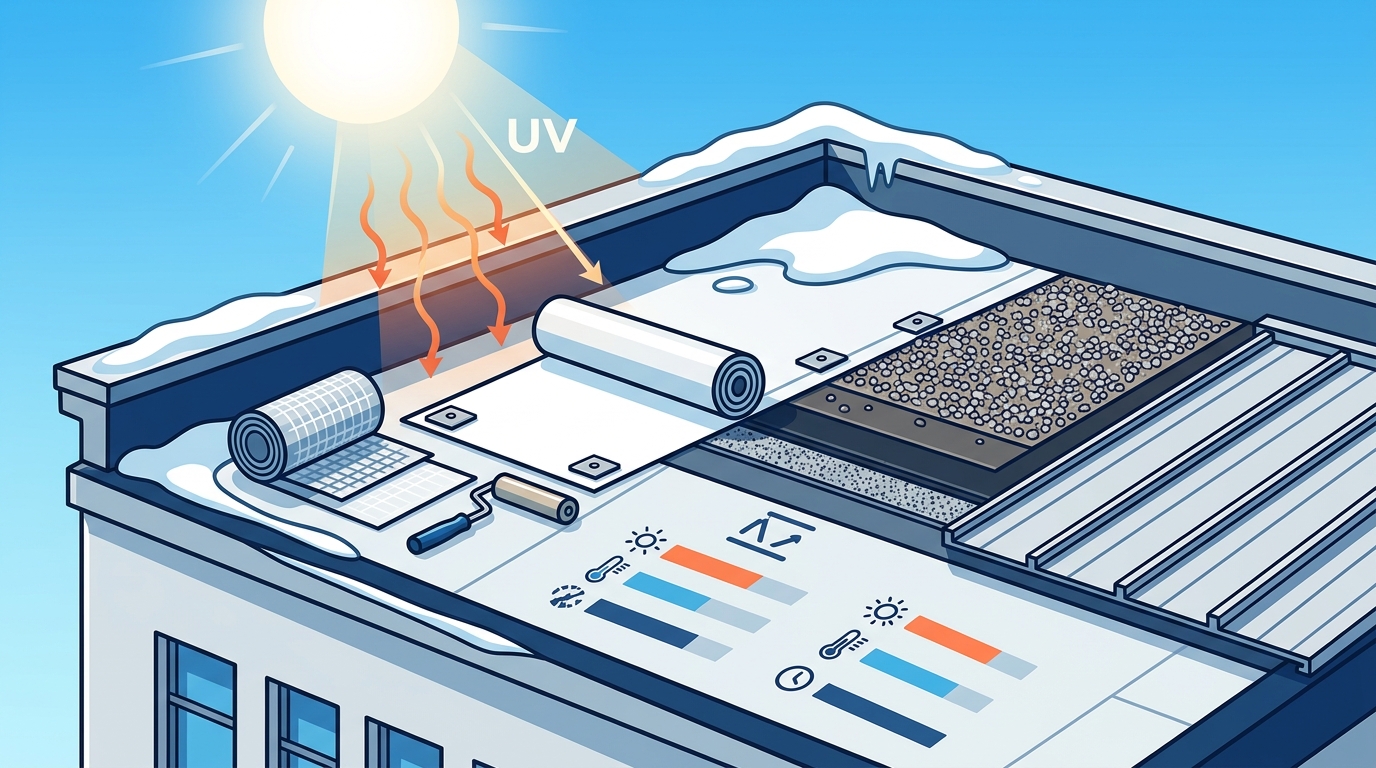
Commercial roofing in Denver is not a one-size-fits-all proposition. The city sits at exactly one mile above sea level, creating a unique microclimate that challenges building envelopes. The primary enemies of commercial roofs in this region are ultraviolet (UV) radiation, hail, and freeze-thaw cycles. (Roofing Company Arvada CO)
UV radiation breaks down the chemical bonds in many synthetic roofing membranes, causing them to become brittle and crack over time. Hail damage is another critical concern. Denver experiences significant hail storms, particularly in the spring and early summer. Large hailstones can puncture soft membranes or dislodge granules from modified bitumen surfaces. Finally, freeze-thaw cycles cause materials to expand and contract rapidly. This movement stresses seams and flashings, leading to leaks if the installation is not robust.
Choosing the right material requires balancing initial cost with long-term performance. A cheaper roof that fails in seven years is far more expensive than a premium system that lasts twenty-five years. At Apex Roofing USA, we evaluate each building's specific exposure to these elements to recommend the most viable solution.
EPDM: The Durable Rubber Standard
EPDM, or Ethylene Propylene Diene Monomer, is a synthetic rubber membrane that has been a staple in the commercial roofing industry for decades. It is typically installed in large sheets, either adhered directly to the substrate or mechanically fastened.
Why EPDM Works in Colorado
EPDM is highly resistant to UV radiation and ozone, making it an excellent choice for Denver's sunny climate. Unlike some plastics, rubber does not become brittle easily when exposed to high-altitude sun. Additionally, EPDM handles temperature fluctuations well. It remains flexible in freezing temperatures, which prevents cracking during Colorado's harsh winters.
Pros and Cons
The primary advantage of EPDM is its durability and relatively low cost. It is also easy to repair if punctured by hail. However, EPDM is typically black, which means it absorbs heat rather than reflecting it. This can increase cooling costs for your building during the summer months. It is also susceptible to oil and grease, so it is not ideal for restaurants or facilities with heavy HVAC exhaust.
For more details on single-ply membrane options, explore our commercial roofing services page.
TPO: The Reflective Energy Saver
Thermoplastic Polyolefin (TPO) is a single-ply membrane that has gained massive popularity in recent years. It is made from rubber and plastic polymers, combining the flexibility of EPDM with the heat-weldable seams of PVC.
Energy Efficiency Benefits
TPO is typically white or light-colored, providing high solar reflectance. This reflectivity is crucial for Denver buildings looking to reduce energy consumption. By reflecting sunlight, TPO roofs keep the building interior cooler, significantly lowering air conditioning loads. This makes TPO a favorite for warehouses, big-box retailers, and office buildings in the Greater Denver area.
Installation and Durability
The seams in TPO roofs are heat-welded, creating a monolithic barrier that is less prone to leaking than mechanically fastened systems. However, the quality of TPO can vary by manufacturer. Some lower-quality formulations may shrink or become brittle over time. It is essential to work with a certified installer who uses premium-grade TPO materials.
Learn more about our commercial roof repair capabilities for maintaining TPO systems.
Metal Roofing: Longevity and Sustainability
Metal roofing, including standing seam and corrugated panels, is a premium option for commercial buildings in Denver. It is known for its exceptional lifespan and structural strength.
Resistance to Hail and Snow
Metal roofs are highly resistant to hail damage. High-quality metal panels can withstand impact that would puncture rubber or plastic membranes. Furthermore, metal roofs shed snow efficiently. The smooth surface prevents snow accumulation, reducing the risk of structural overload and ice damming. This is a significant safety and maintenance advantage in Colorado.
Environmental Impact
Metal roofing is 100% recyclable at the end of its life. Many metal roofs are made from recycled content, making them an environmentally responsible choice. While the initial investment is higher than EPDM or TPO, the lifespan of a metal roof can exceed 40 years, offering a lower lifetime cost.
Discover our commercial roof replacement process for upgrading to metal systems.
Built-Up Roofing (BUR): Traditional Protection
Built-Up Roofing (BUR) consists of multiple layers of bitumen-filled felts alternated with hot asphalt or cold adhesive. This creates a thick, multi-ply membrane that is highly durable.
Redundancy and Puncture Resistance
The primary benefit of BUR is redundancy. If one layer is compromised, the other layers continue to provide waterproofing. This makes BUR excellent for roofs with heavy foot traffic or equipment. The thick layers also offer superior puncture resistance against hail.
Weight and Maintenance
BUR systems are heavy. They add significant load to the building structure, so structural integrity must be verified before installation. They are also difficult to locate leaks in, as water can travel between layers before manifesting as a drip. Maintenance requires regular inspections to ensure the gravel surface remains intact.
Material Comparison Matrix
The following table summarizes the key characteristics of the most common commercial roofing materials for Denver buildings.
| Material | Average Lifespan | UV Resistance | Hail Resistance | Energy Efficiency | Best For |
|---|---|---|---|---|---|
| EPDM | 20-30 years | High | Moderate | Low (Absorbs Heat) | Cost-effective, simple roofs |
| TPO | 20-25 years | High | Moderate | High (Reflective) | Energy-conscious businesses |
| Metal | 40+ years | Very High | High | High (Reflective Options) | Long-term durability, snow shedding |
| BUR | 20-30 years | Moderate | High | Moderate | Heavy traffic, redundancy needs |
Key Takeaways
- Climate Specificity: Denver's high UV index and hail frequency require materials with proven resistance to both, such as EPDM or Metal.
- Energy Savings: TPO and reflective Metal roofs can significantly reduce cooling costs in the summer, offering a faster return on investment.
- Longevity vs. Cost: While Metal roofing has a higher upfront cost, its 40+ year lifespan often makes it the most cost-effective option over time.
- Installation Quality: The performance of any material depends heavily on the installer. Certified contractors ensure proper seam welding and flashing details.
- Local Expertise: Local roofers understand the specific wind uplift codes and snow load requirements for the Denver metro area.
- Insurance Implications: Durable materials like Metal may qualify for lower insurance premiums due to reduced hail damage risk.
- Maintenance Access: Consider how often your roof needs maintenance. BUR is hard to leak-locate, while TPO and Metal are easier to inspect.
Frequently Asked Questions
Which commercial roofing material is best for Denver's weather?
Metal roofing and EPDM are generally considered the best options for Denver. Metal offers superior hail resistance and snow shedding, while EPDM provides excellent UV and temperature flexibility. TPO is also a strong contender for its energy efficiency.
How long does a commercial roof last in Colorado?
The lifespan varies by material. EPDM and TPO typically last 20 to 25 years. Metal roofs can last 40 years or more. Proper maintenance and installation are critical to achieving these lifespans.
Does Apex Roofing offer insurance claim assistance?
Yes. We provide comprehensive insurance claim guidance for storm and hail damage. Our team helps you navigate the adjuster process to ensure you receive fair coverage for repairs or replacement.
What is the most energy-efficient commercial roofing option?
TPO and reflective Metal roofs are the most energy-efficient. Their white or light-colored surfaces reflect solar radiation, keeping the building cooler and reducing air conditioning costs.
Can I replace my existing roof with a metal system?
In many cases, yes. Metal roofing can often be installed over an existing roof, provided the structural deck can support the load. We perform a thorough inspection to determine the best approach.
How do I know if my roof needs repair or replacement?
Signs include frequent leaks, visible blistering or cracking, excessive granule loss, and high energy bills. A free professional inspection can help you make an informed decision.
What warranties do you offer on commercial roofs?
We offer manufacturer warranties on materials and a robust labor warranty on our workmanship. Specific warranty terms depend on the material selected and installation method.
Contact Our Denver Roofing Experts
Choosing the right commercial roofing material is a critical decision that impacts your building's safety, energy costs, and bottom line. Do not leave your property's protection to chance. Partner with a local, certified roofing contractor who understands the unique challenges of the Denver climate.
Apex Roofing USA is a GAF Certified™ Roofing Contractor with over a decade of experience serving Colorado businesses. We provide honest assessments, premium materials, and warranty-backed workmanship. Contact us today to schedule your free commercial roof inspection and discover the best solution for your building.