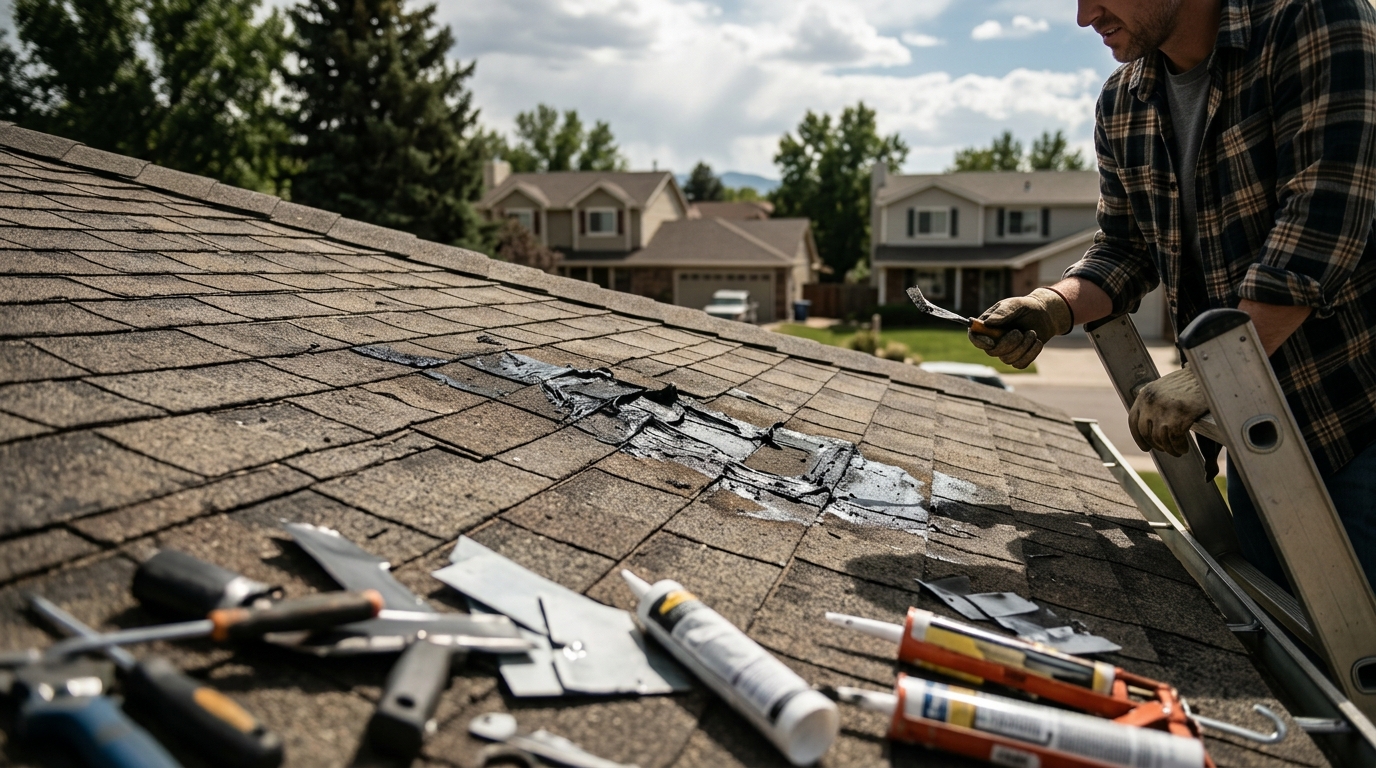
Denver homeowners face a unique set of environmental pressures that accelerate roof degradation. According to the National Weather Service, the Denver metro area experiences an average of 24 inches of snowfall annually, combined with intense UV exposure at high altitude. This combination creates a freeze-thaw cycle that stresses roofing materials faster than in most other US cities. When leaks appear, the instinct is often to find the quickest fix, but improper repairs can lead to structural damage, mold growth, and significantly higher replacement costs down the line. Understanding these common pitfalls is the first step toward protecting your property.
Ignoring Freeze-Thaw Damage
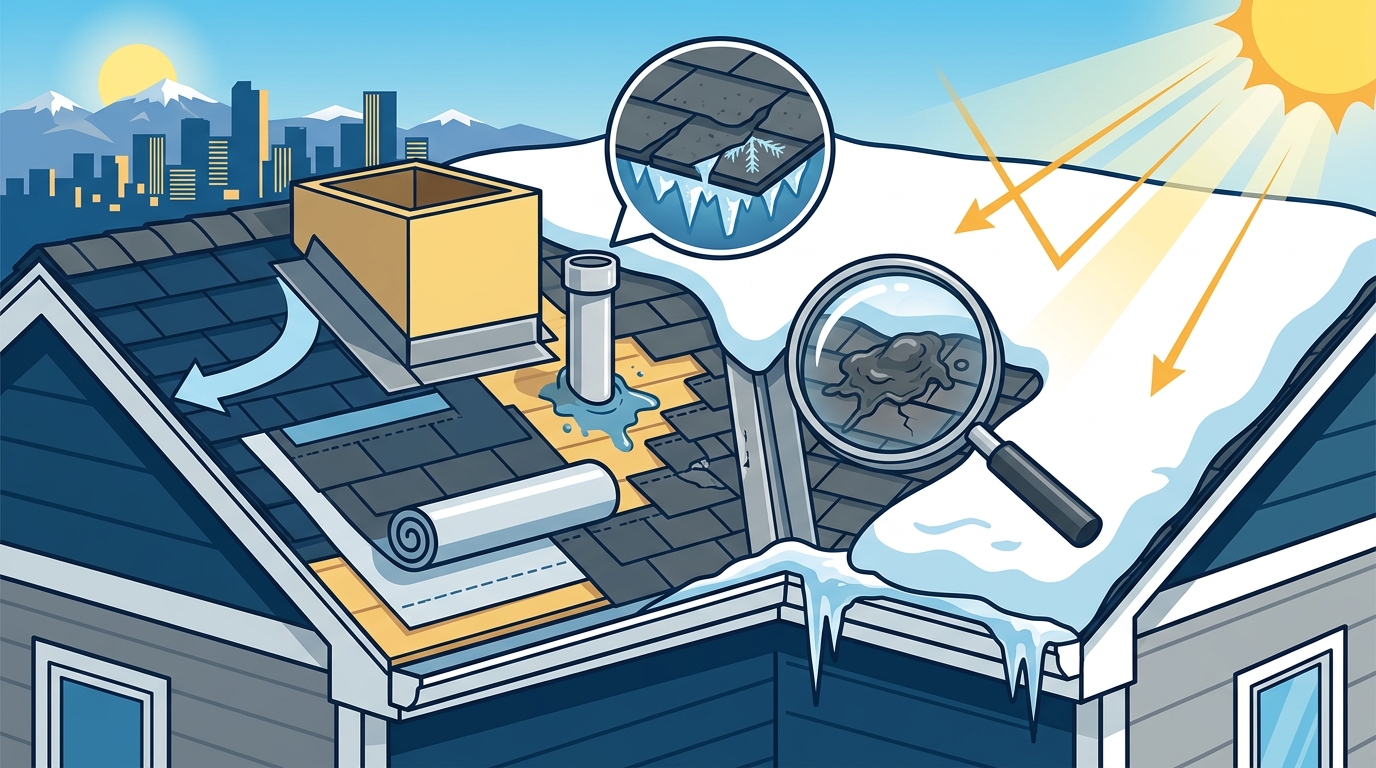
The most critical mistake Denver homeowners make is underestimating the power of freeze-thaw cycles. Water expands by approximately 9% when it freezes. When moisture seeps into tiny cracks in shingles or flashing and then freezes, it widens those cracks exponentially. Over time, this process, known as frost wedging, can lift shingles, break tiles, and compromise the roof deck.
Many homeowners notice a leak only after the ice has melted, missing the window for preventative repair. By the time water is dripping into the attic, the insulation may be saturated, and the wood decking could be rotting. Apex Roofing, serving Colorado since 2010, emphasizes that proactive maintenance during the late winter months is essential to catch these micro-fractures before they become major leaks. Our team conducts thorough inspections to identify compromised areas that are vulnerable to this specific weather pattern.
Improper Flashing Installation
Flashing is the thin metal material installed at joints and intersections to direct water away from vulnerable areas. Common leak points include chimneys, skylights, vent pipes, and wall intersections. The error here is often using the wrong type of flashing or installing it incorrectly. For example, using standard aluminum flashing in areas with high chemical exposure or improper sealing around vent pipes can lead to rapid corrosion and failure.
Another frequent mistake is failing to integrate the flashing properly with the underlayment. Water should always flow over the flashing, not under it. If the flashing is installed beneath the underlayment, wind-driven rain can be forced up into the roof system. Apex Roofing is a GAF Certified™ Roofing Contractor, which means our installers are trained in the highest standards of flashing integration. We ensure that all metal work is sealed and layered correctly to withstand Denver’s high winds and heavy snow loads.
Neglecting Gutter Systems
Roof leaks are not always caused by the roof itself. Often, the issue originates in the gutters and downspouts. When gutters are clogged with pine needles, leaves, or debris, water backs up and sits on the roof edge. In Denver’s climate, this standing water can freeze, creating ice dams that force water under the shingles. Homeowners frequently ignore gutter maintenance, assuming it is separate from roofing health.
Additionally, improper gutter slope or insufficient downspout extensions can direct water directly against the foundation and siding, leading to moisture intrusion in the attic or crawl space. Proper drainage is vital for the longevity of your entire roof system. Apex Roofing offers comprehensive gutter repair and installation services designed to manage Colorado’s intense storm runoff effectively. We ensure that your drainage system directs water away from your home’s foundation, preventing secondary water damage.
Using Wrong Materials for Altitude
Not all roofing materials are created equal, and using standard materials in high-altitude environments is a costly mistake. Denver’s high UV index breaks down asphalt shingles faster than in lower elevations. Shingles that are not rated for high-altitude use may become brittle quickly, losing their granular protection and becoming susceptible to hail damage. Furthermore, standard sealants may fail to adhere properly in extreme temperature fluctuations.
Homeowners often try to save money by choosing lower-grade materials, not realizing that these materials will need replacement much sooner. Investing in high-altitude rated shingles, such as those offered by GAF, provides better wind resistance and UV protection. Our roof replacement services utilize premium materials specifically selected for the Colorado Front Range climate, ensuring your roof can withstand the unique environmental stresses of the region.
Delaying Professional Inspections
One of the most dangerous mistakes is waiting for a visible leak to call a professional. By the time water is visible inside your home, the damage may have already spread to the insulation, drywall, and structural framing. Small leaks can go undetected for months, especially in attics with deep insulation. Homeowners often assume that a minor drip is temporary and will resolve itself, but it rarely does.
Regular inspections are crucial for identifying issues like loose shingles, worn sealant, or damaged flashing before they allow water entry. Apex Roofing provides free roof inspections to help homeowners identify potential problem areas early. Our certified inspectors use advanced techniques to detect moisture and structural weaknesses that are not visible to the untrained eye. Early detection saves thousands of dollars in repair costs and prevents mold growth.
DIY vs. Professional Repair
While DIY repairs might seem cost-effective, roofing is a high-risk trade. Working on a steep, slippery roof in Denver’s unpredictable weather poses significant safety hazards. Moreover, improper repairs can void manufacturer warranties. Many roofing material warranties require installation by certified professionals to remain valid. Attempting a DIY fix often results in a patchwork solution that fails under the next storm.
Professional roofers have the proper safety equipment, training, and experience to diagnose the root cause of a leak accurately. They also have access to commercial-grade materials and tools that are not available to consumers. Apex Roofing stands behind our work with a 5-year labor warranty for new roofs, providing peace of mind that DIY projects cannot match. We prioritize safety, quality, and long-term durability in every repair.
Key Takeaways
- Freeze-Thaw Cycles: Denver’s average 24 inches of annual snowfall creates severe stress on roofing materials through expansion and contraction.
- Flashing Integrity: Improperly installed flashing is a leading cause of leaks around chimneys and vents; GAF Certified contractors ensure correct installation.
- Gutter Maintenance: Clogged gutters lead to ice dams and water backup, which can damage the roof deck and foundation.
- High-Altitude Materials: Standard shingles degrade faster in Denver’s high UV environment; high-altitude rated materials are essential.
- Proactive Inspections: Waiting for visible leaks allows damage to spread; free inspections help catch issues early.
- Warranty Protection: DIY repairs often void manufacturer warranties; professional installation preserves coverage.
- Local Expertise: Apex Roofing has served Colorado since 2010, with deep knowledge of local weather patterns and building codes.
Frequently Asked Questions
How often should I have my roof inspected in Denver?
It is recommended to have your roof inspected at least twice a year, ideally in the spring and fall. After major storm events, such as hail or heavy snow, an additional inspection is advisable to identify any immediate damage.
What is the best material for Denver roofs?
High-altitude rated asphalt shingles are the most common and effective choice for Denver homes. They offer a balance of durability, cost-effectiveness, and resistance to UV radiation and freeze-thaw cycles. Metal roofing is also an excellent option for longevity.
Can I repair a roof leak myself?
While minor gutter cleaning can be done DIY, roof repairs involve working at heights and require specialized knowledge. Improper repairs can lead to further damage and void warranties. It is safer and more cost-effective to hire a professional.
How does hail damage affect my roof?
Hail can crack shingles, dislodge granules, and dent metal flashing. This damage compromises the roof’s ability to shed water, leading to leaks. Even if no leak is visible, hail damage can significantly reduce the lifespan of your roof.
What is a GAF Certified Contractor?
A GAF Certified Contractor is a roofing company that has met rigorous training and financial standards set by GAF, the largest roofing manufacturer in North America. This certification ensures that the contractor is qualified to install GAF products correctly and offer enhanced warranties.
How long does a roof repair take?
Most roof repairs can be completed in one to two days, depending on the extent of the damage and weather conditions. Complex repairs or full replacements may take longer. Apex Roofing works efficiently to minimize disruption to your home.
Do you offer insurance claim assistance?
Yes, Apex Roofing provides insurance claim guidance for storm and hail damage. We help homeowners understand their coverage and work with adjusters to ensure fair compensation for necessary repairs.
Schedule Your Free Roof Inspection
Don’t let common repair mistakes compromise your home’s safety and value. Apex Roofing is dedicated to providing honest, high-quality roofing solutions for Denver homeowners. Our team of certified professionals is ready to help you identify and fix potential issues before they become costly problems. Contact us today to schedule your free roof inspection and experience the Apex Roofing difference.