
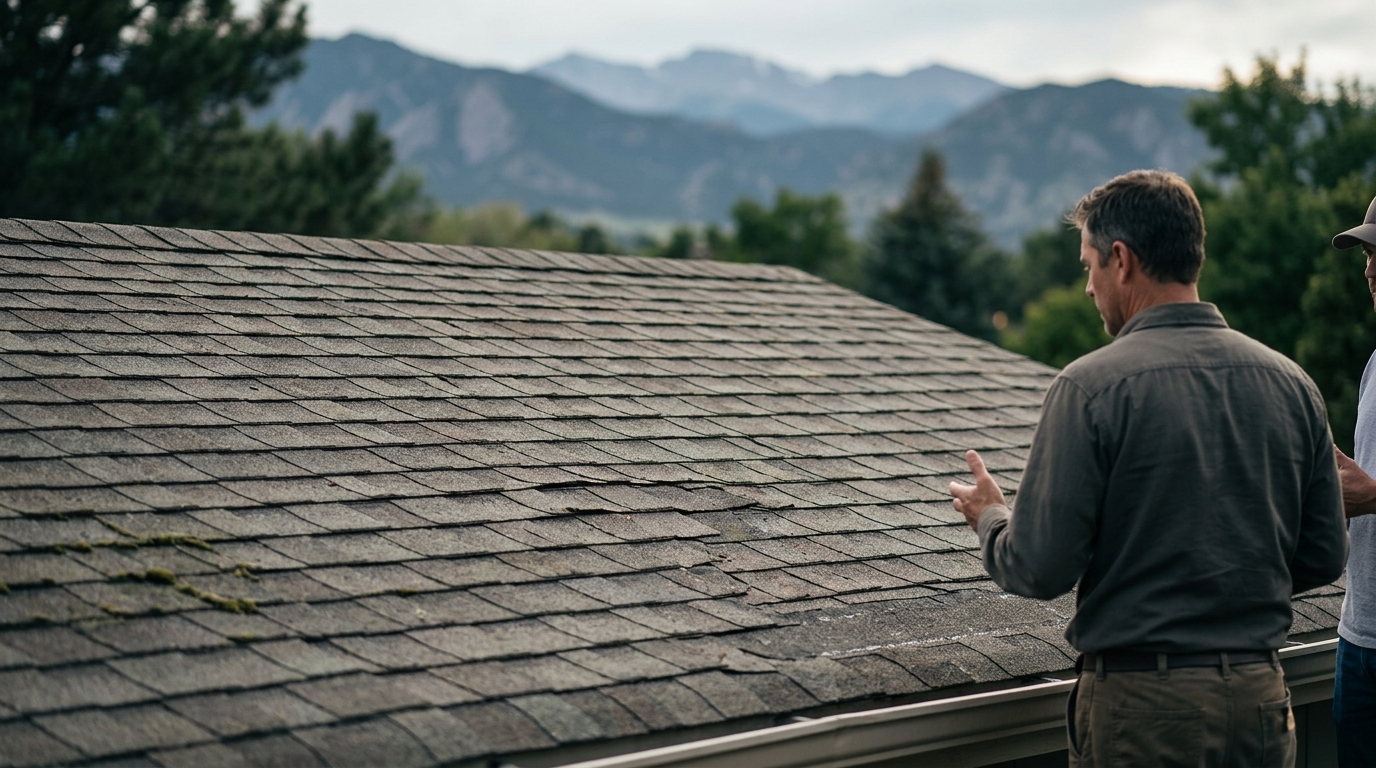
Colorado homeowners face unique weather pressures that accelerate roof aging far beyond standard models. According to the National Weather Service, the Front Range experiences some of the most frequent hail events in the United States, with many counties averaging over 100 days of severe weather annually. This relentless exposure means that what starts as a minor leak can quickly escalate into structural compromise. Understanding when to patch versus when to replace is critical for protecting your property value and ensuring long-term safety.
Determining Your Roof's Age and Lifespan
The first step in deciding between repair and replacement is knowing how old your roof is. Asphalt shingles, the most common roofing material in Colorado, typically last between 15 and 25 years. However, high-altitude UV exposure and freeze-thaw cycles can shorten this lifespan significantly. If your roof is approaching or has exceeded this window, repairs are often just a temporary fix.
Roof repair is a targeted intervention for isolated damage. It is not a solution for systemic aging. When the underlying structure or underlayment begins to degrade, patching the surface fails to address the root cause. Apex Roofing, a trusted Colorado roofing contractor since 2010, emphasizes that proactive replacement is often more cost-effective than repeated emergency repairs.
Homeowners in older neighborhoods like Arvada's Olde Town often face roofs with hidden wear. The combination of aging materials and modern weather patterns creates a perfect storm for failure. A professional inspection can reveal if the roof deck is soft or spongy, indicating rot that requires a full tear-off.
Identifying Critical Shingle Damage
Shingles are your roof's first line of defense. When they fail, water penetrates the underlayment and reaches the wood deck. Look for curling, cupping, or clawing edges. These signs indicate that the shingles have lost their flexibility and are brittle. In Colorado's fluctuating temperatures, this brittleness leads to cracking under minimal stress.
Hail damage is another critical factor. Small dents may seem cosmetic, but they compromise the protective granule layer. Larger impacts can crack the shingle mat entirely. If you notice missing shingles or areas where the granules have been stripped away, the roof's integrity is compromised. Residential roofing services must evaluate the extent of this damage to determine if a repair is viable.
Wind uplift is also a common issue in open areas of the Front Range. Strong gusts can lift shingle edges, breaking the sealant strip. Once the seal is broken, wind can get underneath and peel the shingle off completely. This creates a pathway for water intrusion that simple patching cannot stop.
The Granule Loss Indicator
Granules are the small, sand-like particles embedded in asphalt shingles. They protect the asphalt from UV rays and provide fire resistance. When you see these granules accumulating in your gutters or downspouts, it is a sign of advanced wear. This process is known as granule loss.
Excessive granule loss exposes the asphalt to direct sunlight, causing it to dry out and crack. This accelerates the aging process and reduces the roof's ability to shed water. If your gutters are filled with granules, the roof is likely near the end of its life. Continuing to repair such a roof is throwing money away.
Check your downspouts after a rainstorm. If the water running out is cloudy with granules, your roof is shedding its protective layer. This is a clear indicator that a full replacement is necessary to maintain protection. Gutter maintenance is important, but it cannot fix a failing roof system.
Frequency of Leaks and Interior Damage
One of the most obvious signs that repair is no longer an option is the frequency of leaks. If you are dealing with water stains on your ceiling or walls multiple times a year, the roof system has failed. Water can travel along rafters and beams, causing damage far from the actual entry point.
Interior damage includes mold growth, peeling paint, and warped wood. These issues pose health risks and structural dangers. Ignoring them can lead to costly remediation and foundation problems. A professional assessment can determine if the damage is localized or widespread.
Storm damage often exacerbates existing weaknesses. After a hail event, new leaks may appear in areas that were previously dry. This indicates that the roof's overall condition is poor. Storm damage repair services can help assess the extent of the damage, but frequent leaks signal the need for a new roof.
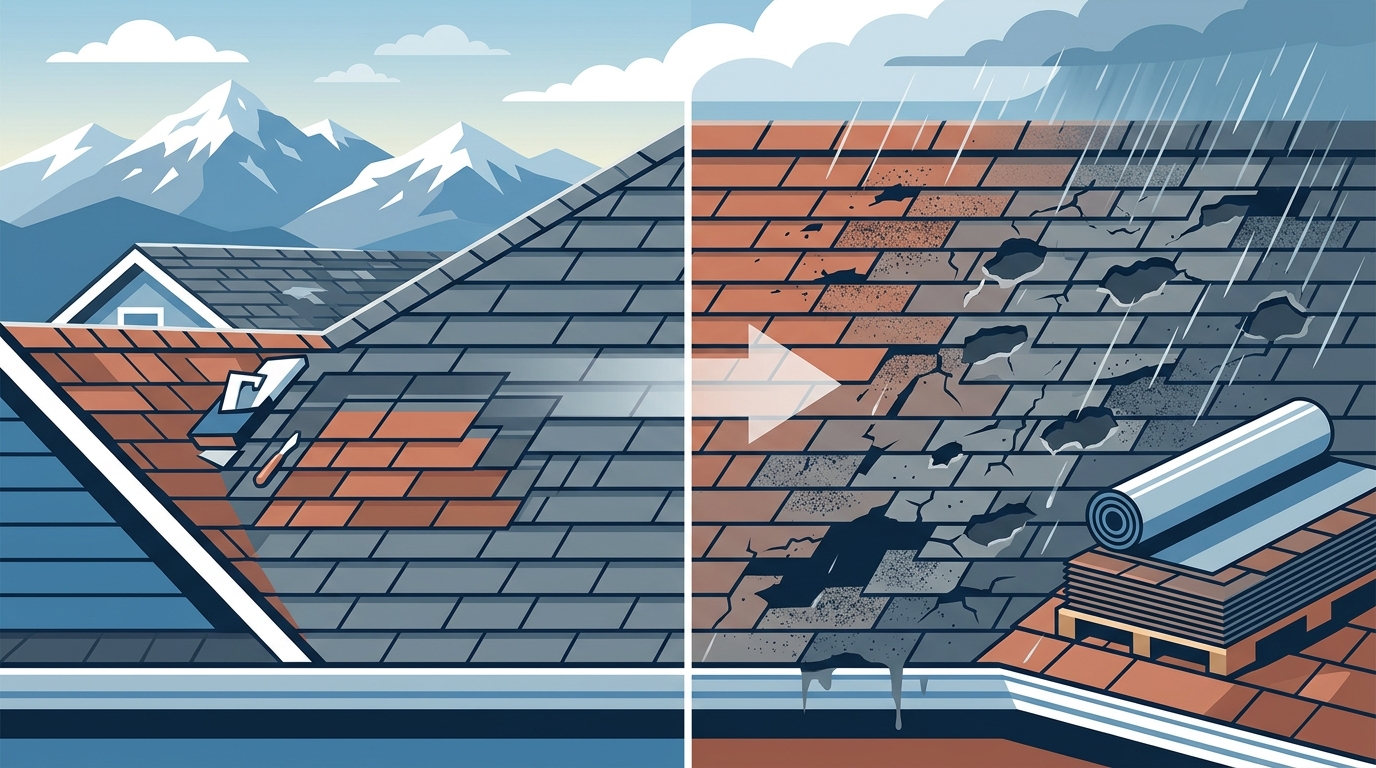
Repair vs. Replacement Cost Analysis
Homeowners often hesitate to replace a roof due to the upfront cost. However, comparing the long-term costs of repair versus replacement reveals a different picture. Repeated repairs add up quickly, and each repair delays the inevitable replacement.
| Factor | Roof Repair | Full Replacement |
|---|---|---|
| Upfront Cost | Low | High |
| Longevity | 1-5 Years | 15-25 Years |
| Energy Efficiency | No Improvement | Significant Improvement |
| Warranty Coverage | Limited | Comprehensive |
| Property Value | Minimal Impact | High Impact |
A full replacement offers a new warranty, improved energy efficiency, and increased property value. It also eliminates the stress of unexpected leaks. Roof replacement is an investment in your home's future. Financing options are available to make this transition smoother.
Key Takeaways
- Colorado's severe weather accelerates roof aging, making lifespan shorter than national averages.
- Roof repair is only viable for isolated damage on roofs under 10 years old.
- Granule loss in gutters indicates advanced shingle degradation and imminent failure.
- Frequent leaks suggest systemic failure rather than isolated issues.
- Full replacement provides a 15-25 year warranty and improves energy efficiency.
- Apex Roofing offers free inspections to help determine the best course of action.
- GAF Certified contractors provide superior warranty options for new installations.
Frequently Asked Questions
How do I know if my roof needs repair or replacement?
If your roof is over 15 years old or has multiple leaks, replacement is likely necessary. A professional inspection can provide a definitive answer.
What is the average lifespan of a roof in Colorado?
Asphalt shingles typically last 15-25 years in Colorado, but severe weather can shorten this lifespan significantly.
Can I just replace the damaged shingles?
Replacing individual shingles is only a viable option if the rest of the roof is in good condition and under 10 years old.
How does hail damage affect my roof?
Hail can crack shingles and dislodge granules, compromising the roof's ability to shed water and resist UV damage.
What are the signs of granule loss?
Granules in gutters, bald spots on shingles, and increased roof age are key indicators of granule loss.
Is roof replacement expensive?
While the upfront cost is higher, replacement is often more cost-effective than repeated repairs over time.
Do you offer financing for roof replacement?
Yes, financing options are available to help manage the cost of a new roof installation.
Ready to Protect Your Home?
Don't wait for a leak to become a disaster. Contact Apex Roofing for a free inspection and honest assessment of your roof's condition. Our team is ready to help you make the right decision for your home.
Request a Free Roof Inspection today and secure your home's future.