
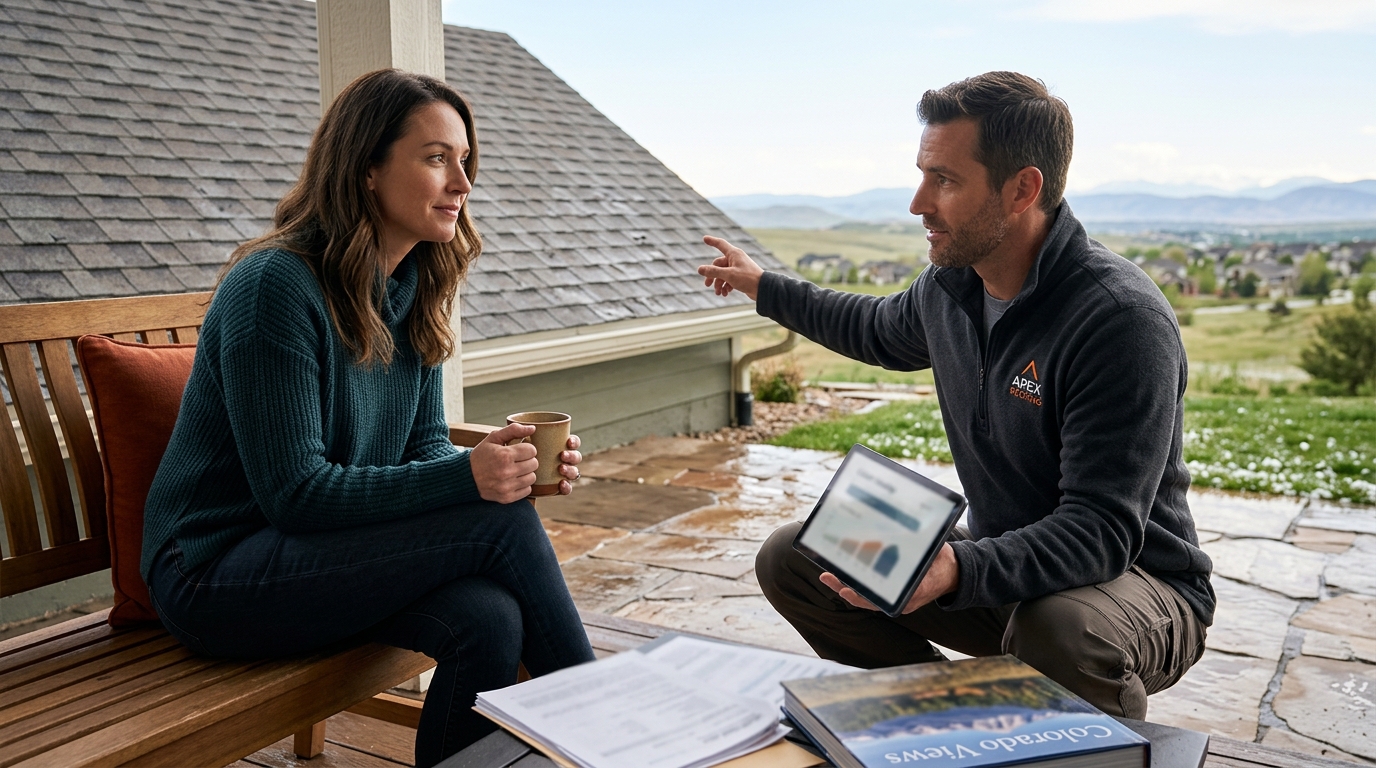
Denver homeowners face unique weather pressures that make roof damage a frequent reality. According to the National Weather Service, the Front Range experiences some of the most intense hail storms in the United States, with some events dropping hail larger than golf balls. When these storms hit, the window to file a claim is narrow, and the process can be overwhelming without proper guidance. This guide breaks down the exact steps to protect your property and secure the coverage you deserve. (Blog 8211 apexroofingusa com)
Step 1: Initial Safety and Damage Assessment
After a storm passes, the first priority is safety. Never climb onto a wet or unstable roof. The risk of falling is significant, especially when dealing with slick shingles or hidden structural weaknesses. Instead, perform a ground-level inspection using binoculars. Look for obvious signs of distress such as missing shingles, granule loss in gutters, or dents on metal flashing and vents.
Interior checks are equally critical. Water damage often manifests in ceilings, attics, or along exterior walls long after the storm has passed. If you notice active dripping, place buckets immediately and contact a professional. For a comprehensive evaluation, it is highly recommended to request a free roof inspection from a local expert who understands Colorado’s specific weather patterns.
Step 2: Documentation Protocol for Insurance
Insurance companies rely on evidence. Your documentation must be thorough, clear, and timestamped. Start by taking high-resolution photographs of the exterior damage. Capture wide shots of the entire roof to show context, then zoom in on specific damaged areas like cracked shingles or separated flashing.
Do not forget the interior. Photograph water stains, damaged drywall, and personal property affected by leaks. Create a digital log of these images, noting the date and time of each photo. This creates an unalterable record of the damage as it appeared immediately after the event. If you have access to drone footage, this can provide a superior overview of the roof’s condition without the safety risks of climbing.
Step 3: Notifying Your Insurance Provider
Time is a critical factor in storm damage claims. Most insurance policies require prompt notification of damage. Delaying this step can lead to claim denials based on "failure to mitigate" or inability to verify the cause of damage. Call your insurance agent or company as soon as it is safe to do so.
When you speak with them, provide the basic facts: the date of the storm, the type of damage observed, and that you have documented it. Do not admit to any pre-existing conditions or guess at the extent of the damage. Simply state that you are reporting potential storm damage. Your insurer will then guide you through their specific claims process and assign an adjuster.
Step 4: The Adjuster Meeting and Scope
The insurance adjuster’s role is to determine the cost of repairs based on your policy coverage. However, it is important to understand that the adjuster works for the insurance company, not for you. Their initial assessment may underestimate the scope of damage, particularly for hidden issues like compromised underlayment or structural wood rot.
Be present during the adjuster’s inspection. Walk the roof with them (if safe) or point out the damage you documented. Show them the granule loss in the gutters and the dents on the vents. These are clear indicators of hail impact that might be missed in a quick visual survey. Having a professional roofing contractor accompany you can be invaluable. They can speak the technical language of the adjuster and ensure no damage is overlooked. For expert guidance on navigating this process, contact our team for support.
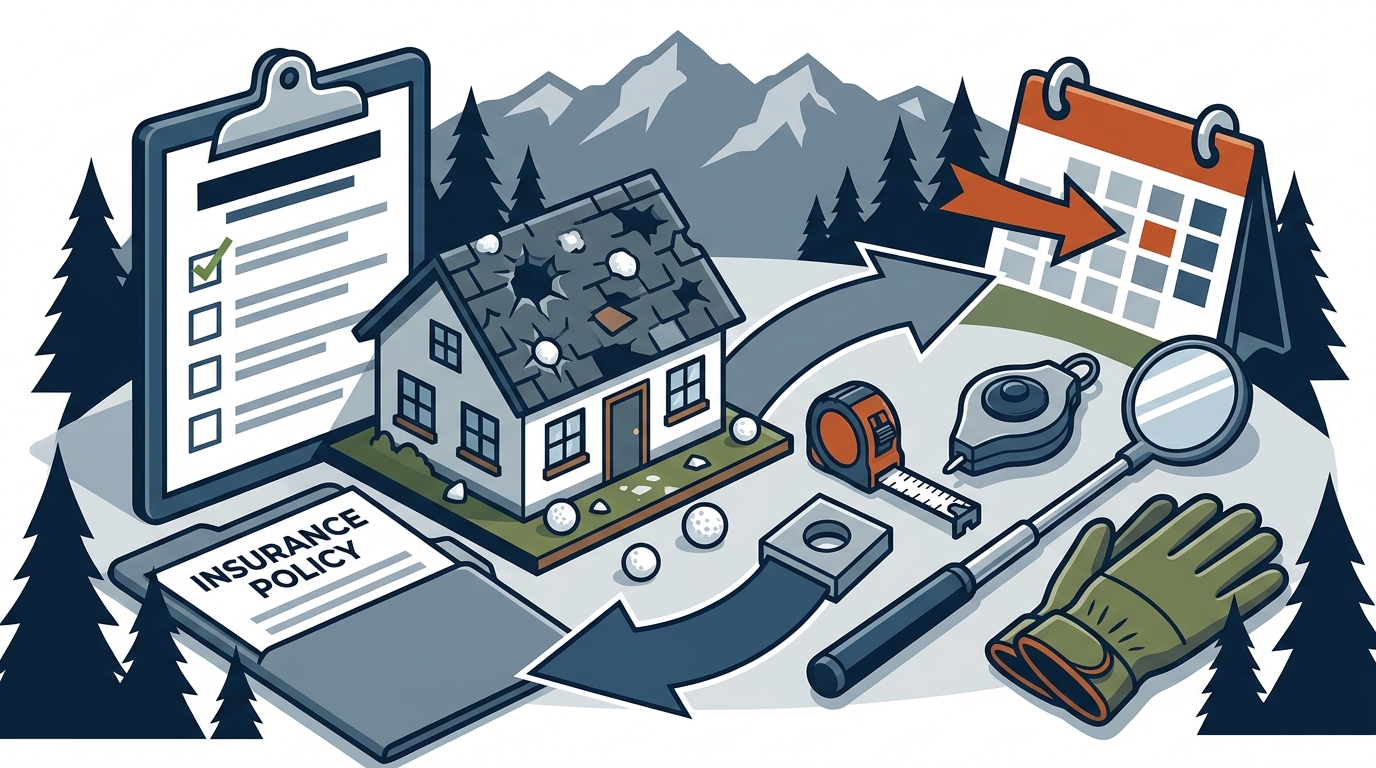
Step 5: Selecting a Certified Contractor
Once the scope of work is defined, choosing the right contractor is the next critical step. In the wake of major storms, "storm chasers" from out of state often flood the market with low-ball offers. These crews may lack local licensing, proper insurance, or a physical presence to honor warranties.
Always verify that your contractor is a GAF Certified Roofing Contractor. This certification ensures they meet rigorous training standards and use premium materials that come with enhanced warranty protection. Additionally, look for a local company with a long-standing presence in the Denver area. A local roofer has a reputation to protect and is more likely to stand behind their work for years to come.
Step 6: Claim Resolution and Payment
The final step involves the payment process. Insurance companies often pay out claims in two parts: the initial estimate and the recoverable depreciation. The first payment covers the immediate cost of materials and labor. The second payment is released once the work is completed and inspected.
Your contractor will typically handle the final inspection with the insurance company to ensure everything meets code and policy requirements. Once approved, the depreciation is released, and the claim is closed. If you encounter difficulties during this phase, having a contractor who understands insurance claims can make the difference between a smooth resolution and a prolonged dispute.
Key Takeaways
- Prompt Action: File your claim immediately after the storm to avoid policy violations regarding timely reporting.
- Documentation: Photograph all exterior and interior damage with timestamps to create a solid evidence base.
- Local Expertise: Choose a local Denver contractor who understands the specific hail and wind patterns of the Front Range.
- Certification Matters: Ensure your roofer is GAF Certified to access premium warranty options and guaranteed workmanship.
- Be Present: Attend the adjuster’s inspection to point out all visible and potential hidden damage.
- Avoid Storm Chasers: Do not sign contracts with out-of-state crews who may disappear after receiving payment.
- Warranty Protection: A local company like Apex Roofing offers a 5-year labor warranty, providing long-term peace of mind.
Frequently Asked Questions
How long do I have to file a roof damage claim in Colorado?
Most insurance policies require you to report damage "promptly" or within a specific number of days, often 30 to 90 days. However, waiting too long can allow further damage to occur, which the insurer may blame on your neglect. It is best to file within a few days of the storm.
What is the difference between replacement cost value and actual cash value?
Replacement Cost Value (RCV) pays the full cost to replace your roof with new materials of similar kind and quality, minus your deductible. Actual Cash Value (ACV) factors in depreciation, paying only the current value of your old roof, which is significantly less. Most standard homeowners policies in Colorado are RCV.
Can I use my own contractor for the insurance claim?
Yes, you have the right to choose your own contractor. In fact, it is highly recommended. Your contractor can help you understand the scope of work and communicate effectively with the adjuster to ensure all damage is accounted for.
What is a GAF Certified Roofing Contractor?
A GAF Certified Roofing Contractor is a roofing company that has met GAF’s rigorous training and financial requirements. This certification allows them to offer the GAF System Plus Limited Warranty, which provides superior protection against manufacturing defects and workmanship errors.
What if the insurance adjuster misses some damage?
If you believe the adjuster has missed damage, do not sign the final settlement immediately. Request a re-inspection and provide your documented evidence. Having a professional roofing contractor present can help identify and document the missed items.
How does hail damage differ from wind damage?
Hail damage typically presents as random, circular bruises or cracks on shingles, often with loss of granules. Wind damage usually involves lifted shingles, torn tabs, or exposed nail heads. Both can lead to leaks, but the repair approach may vary based on the specific type of failure.
Do I need to pay my deductible upfront?
Yes, you are responsible for your deductible. However, reputable contractors will not ask for the full payment upfront. They will typically bill the insurance company directly and collect your deductible upon completion of the work.
Get Your Free Roof Inspection Today
Don’t wait for a leak to confirm damage. Storm damage can be subtle, and early detection is key to a successful insurance claim and protecting your home’s value. Apex Roofing is a trusted local roofing company in Denver, serving the Front Range since 2010. We provide honest guidance, certified workmanship, and comprehensive insurance claim support.
Request your free roof inspection today and let our local experts help you navigate the process with confidence. Call us at 303-691-5035 to schedule your assessment.