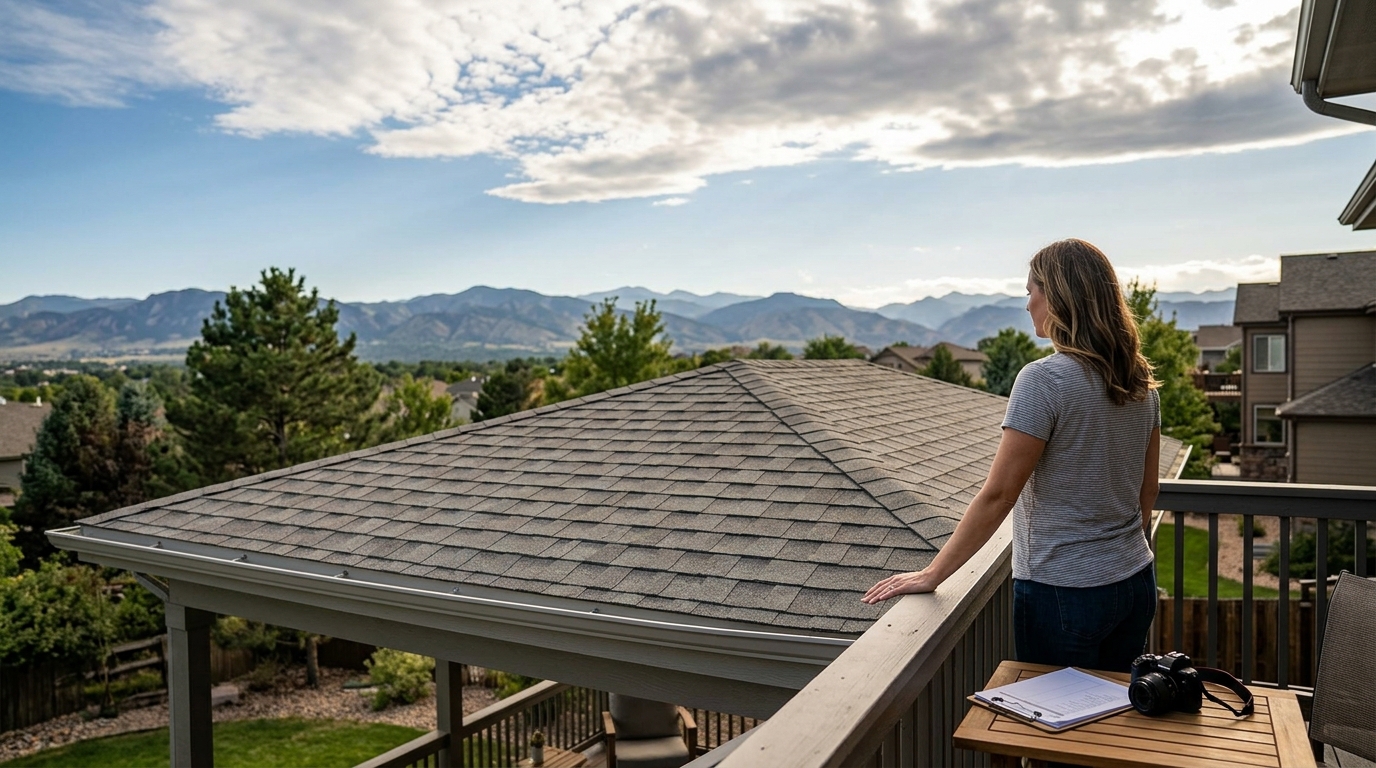
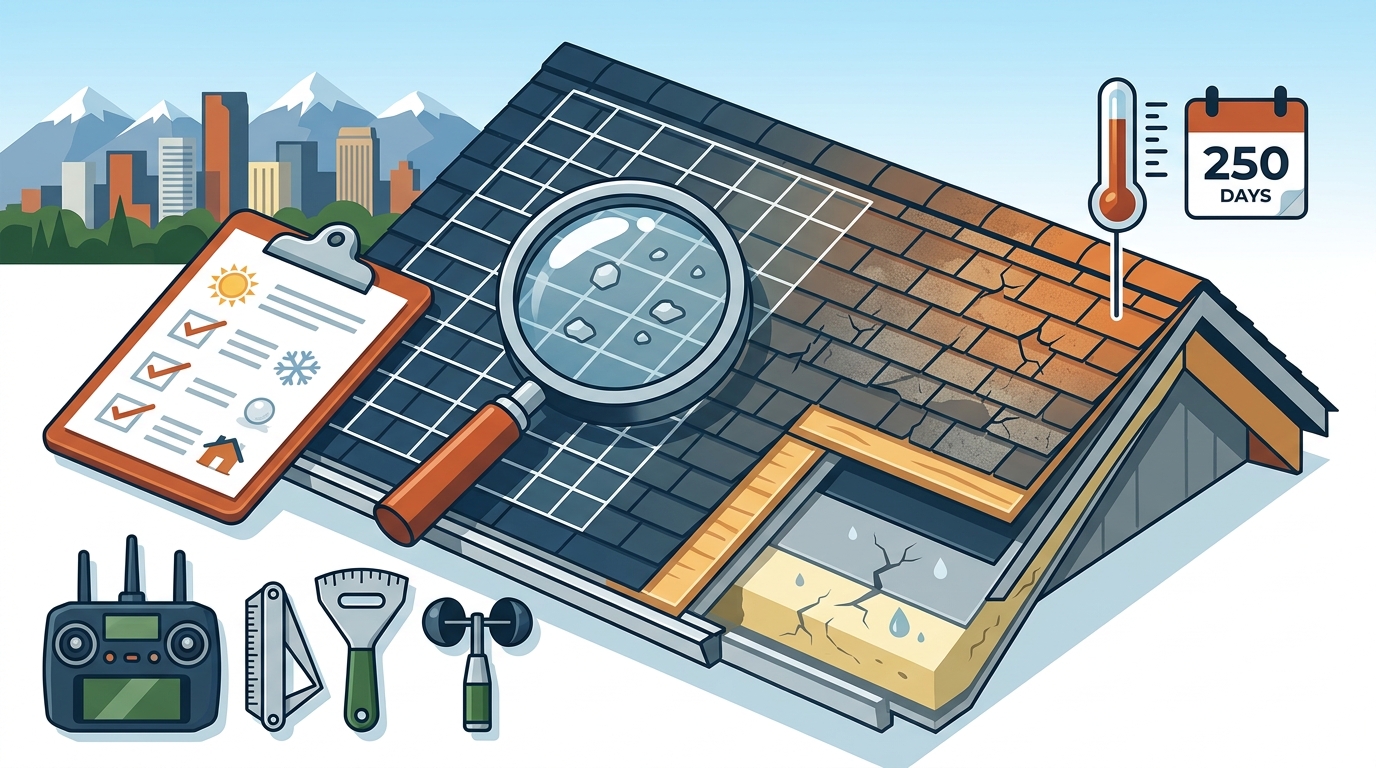
Denver homeowners face unique weather pressures that accelerate roof aging far faster than in milder climates. According to recent meteorological data, the Front Range experiences an average of 250 days of sunshine annually, which degrades asphalt shingles and seals at an accelerated rate. Furthermore, the region is prone to severe hail events that can compromise structural integrity without immediate visible leaks. Choosing the right inspection provider is not just about finding a contractor; it is about securing a long-term asset protection strategy. This guide outlines the critical criteria for evaluating roofing professionals in the Denver metro area.
Local Accountability and Physical Presence
The most significant risk in the Denver roofing market is the prevalence of "storm chasers." These are out-of-state companies that arrive immediately after a hail event, offer low-ball estimates, and disappear once the work is done. When warranty issues arise months later, they are often unreachable or legally unresponsive.
Always verify that your inspection service has a verifiable physical office within Colorado. A local presence ensures that the company is invested in the community's long-term reputation. For instance, Apex Roofing operates out of Englewood, providing a tangible point of contact for homeowners across the Front Range. This local accountability means they are subject to Colorado state regulations and consumer protection laws, offering a layer of security that remote operators cannot match.
When evaluating a company, ask for their physical address and check their business registration status. A legitimate local roofer will have a history of service in specific neighborhoods, such as Arvada or Boulder, rather than a generic national footprint. This local expertise is crucial because Denver's microclimates vary significantly. West-side winds in Arvada, for example, create different stress patterns on roof edges than the heavy snow loads found in higher elevation areas.
Technical Certifications and Manufacturer Status
Not all roofing contractors are created equal. The industry has a hierarchy of certifications that indicate technical proficiency and access to premium materials. The gold standard for residential roofing in the United States is the GAF Certified™ designation. This certification requires rigorous training, background checks, and adherence to strict installation standards.
A GAF Certified™ contractor is authorized to offer the GAF System Plus Limited Warranty, which provides comprehensive coverage for both materials and workmanship. This is a critical differentiator because it means the manufacturer backs the installation, not just the shingle itself. When you choose a GAF Certified roofing contractor, you are ensuring that the installation meets the highest industry benchmarks for wind resistance and weather durability.
During your inspection consultation, ask to see their certification ID. You can verify this directly through the manufacturer's database. Additionally, inquire about their experience with specific roofing systems relevant to your home's architecture. Whether you have a historic bungalow in Olde Town Arvada or a modern flat-roof commercial building, the inspection criteria must be tailored to the specific material and structural design.
Insurance Claim Navigation Capabilities
One of the most complex aspects of Denver roofing is the insurance claim process. After a hail or wind event, homeowners often face confusion regarding coverage limits, deductibles, and adjuster expectations. A reputable inspection service must offer clear guidance on how to navigate this process.
Look for a provider that explicitly mentions insurance claim guidance as part of their service offering. This does not mean they will "guarantee" a payout, which is often a red flag for unethical practices. Instead, it means they will document the damage thoroughly, provide detailed estimates that align with industry-standard pricing software like Xactimate, and advocate for your interests during the adjuster's walkthrough.
Effective insurance navigation requires a deep understanding of local building codes and replacement costs. Denver's construction costs are among the highest in the nation. An inspection service that understands these local economic factors will produce more accurate reports, reducing the likelihood of claim denials or underpayments. This advocacy is invaluable, as it ensures that your roof is replaced to its pre-loss condition without out-of-pocket expenses for necessary upgrades.
Warranty and Labor Protection Standards
The longevity of your roof depends heavily on the quality of the installation. Therefore, the warranty offered by the inspection and installation provider is a key metric of their confidence in their work. Many contractors offer only a one-year workmanship warranty, which is insufficient for a 20-to-30-year asset.
Seek out a provider that offers a substantial labor warranty. For example, Apex Roofing provides a 5-year labor warranty for new roofs. This extended protection demonstrates that the company stands behind its craftsmanship and is committed to resolving any installation-related issues that may arise in the early years of the roof's life. This warranty is distinct from the manufacturer's material warranty, which covers defects in the shingles themselves.
When reviewing warranty terms, pay close attention to the transferability. If you plan to sell your home, a transferable warranty can add value to your property and provide peace of mind to potential buyers. Ensure that the warranty is provided in writing and clearly outlines what is covered, what is excluded, and the process for making a claim. A transparent warranty policy is a hallmark of a trustworthy roofing professional.
Comparing Residential vs. Commercial Inspection Needs
While the core principles of inspection remain similar, residential and commercial roofing systems have distinct requirements. Residential roofs typically use asphalt shingles, tile, or metal panels, and are subject to different wind uplift and snow load calculations than commercial flat roofs.
| Criteria | Residential Roofing | Commercial Roofing |
|---|---|---|
| Primary Materials | Asphalt Shingles, Metal, Tile | TPO, EPDM, Built-Up Roofing |
| Inspection Focus | Shingle granule loss, flashing integrity, attic ventilation | Ponding water, seam integrity, membrane punctures |
| Warranty Standards | 5-Year Labor + Manufacturer Warranty | 10-to-20-Year System Warranty |
| Service Area | Greater Denver Metro & Front Range | Business Districts & Industrial Zones |
For commercial properties, the inspection must also consider business continuity. A commercial roof failure can disrupt operations, damage inventory, and pose safety risks to employees. Therefore, commercial inspections often require more detailed documentation and phased repair plans to minimize downtime. Ensure your provider has specific experience with commercial roofing systems and can provide references from other local business owners.
Key Takeaways
- Local Presence is Critical: Verify the company has a physical office in Colorado, such as in Englewood, to ensure accountability and long-term support.
- Check GAF Certification: A GAF Certified™ contractor (ID: 1005038 for Apex) offers access to superior warranties and proven installation standards.
- Insurance Advocacy: Choose a provider that offers clear insurance claim guidance to navigate adjuster meetings and documentation requirements effectively.
- Labor Warranty Length: Look for a minimum 5-year labor warranty on new roofs, which indicates confidence in workmanship quality.
- Service Specificity: Ensure the provider has specific experience with your roof type, whether it is a residential shingle roof or a commercial flat roof.
- Transparent Communication: A trustworthy provider will explain findings in plain terms, avoiding pressure tactics or vague estimates.
- Verified Reviews:
Frequently Asked Questions
How often should I get a roof inspection in Denver?
It is recommended to have a professional roof inspection at least once every two years. However, after any major storm event involving hail or high winds, an immediate inspection is crucial to identify hidden damage before it leads to leaks.
What is the difference between a repair and a replacement inspection?
A repair inspection focuses on identifying specific areas of damage, such as missing shingles or compromised flashing, to extend the roof's life. A replacement inspection evaluates the overall condition of the roof system, including the underlayment and decking, to determine if a full replacement is more cost-effective than repeated repairs.
Does a free roof inspection mean there are no hidden costs?
Yes, a legitimate free roof inspection typically has no cost to the homeowner. However, be wary of providers who use the inspection as a high-pressure sales tactic. A professional inspector will provide an objective assessment, even if you do not proceed with their services.
Why is local experience important for Denver roofing?
Denver's unique climate, including high-altitude sun exposure and freeze-thaw cycles, requires specific installation techniques and materials. Local roofers understand these nuances and can recommend solutions that withstand the specific weather patterns of the Front Range.
What should I look for in a roofing company's warranty?
Look for a comprehensive warranty that includes both manufacturer coverage for materials and a substantial labor warranty from the contractor. Ensure the warranty is transferable if you plan to sell your home, and verify that it is provided in writing.
Can a roofing company help with insurance claims?
Yes, many reputable roofing companies offer insurance claim guidance. They can help document damage, provide detailed estimates, and advocate for your interests during the adjuster's review. However, they cannot guarantee a specific payout amount.
How long does a typical roof inspection take?
A standard residential roof inspection typically takes between 30 minutes to an hour, depending on the size and complexity of the roof. Commercial inspections may take longer due to the need for more detailed documentation and safety protocols.
Schedule Your Professional Inspection
Protecting your home or business from Denver's harsh weather requires a partner you can trust. Do not leave your roof's condition to chance. Contact a certified local expert today to schedule your comprehensive roof inspection. Visit Apex Roofing to request your free inspection and experience the difference that local accountability and technical expertise can make for your property.