
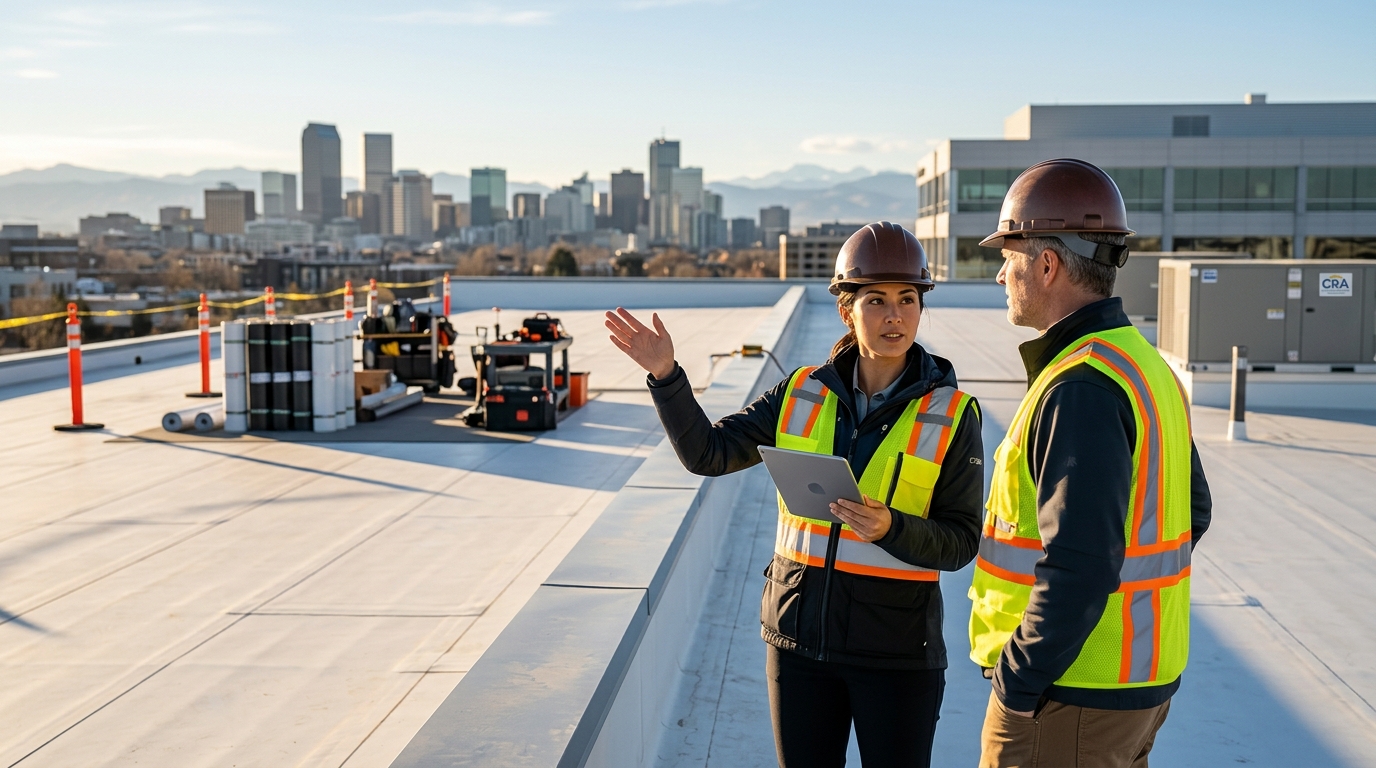
Commercial property owners in the Denver metro area face a unique set of environmental pressures that directly impact roofing lifespans and replacement costs. According to recent industry data, severe weather events in Colorado have increased property insurance premiums by an average of 15% annually over the last three years, making proactive roof management a critical financial strategy rather than just a maintenance task. This guide details the realistic cost ranges for commercial roof replacements in 2026, the specific materials best suited for the Front Range climate, and how to calculate the true return on investment for your property. (About Apex Roofing Colorado)
Cost Breakdown by Roofing System
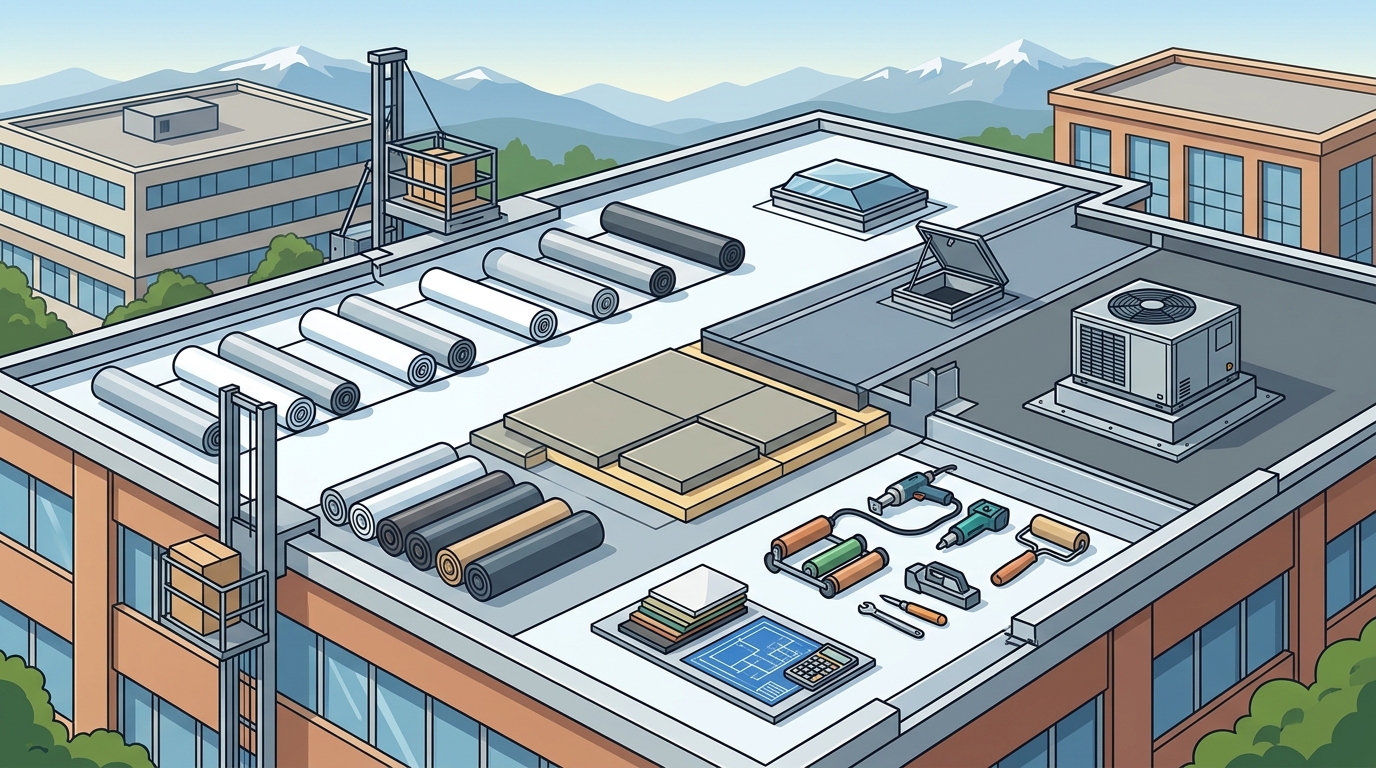
Understanding the price per square foot is the first step in budgeting for a commercial roof replacement. In the Denver metro area, costs vary significantly based on the existing roof structure, the complexity of the building, and the specific material chosen. Below is a detailed analysis of the three most common commercial roofing systems. (Roofing Company in Denver)
Single-Ply Membrane (TPO and PVC)
Thermoplastic polyolefin (TPO) and polyvinyl chloride (PVC) membranes are the dominant choices for low-slope commercial buildings in Colorado. These materials offer excellent reflectivity, which helps reduce cooling costs during Denver's intense summer sun. The average cost for a TPO or PVC replacement ranges from $6.00 to $12.00 per square foot. This price includes removal of the old roof, installation of new insulation, and the membrane itself. TPO is generally more affordable, while PVC offers superior resistance to chemical exposure and fire, making it ideal for restaurants or industrial facilities. (Blog 8211 apexroofingusa com)
Metal Roofing Systems
Metal roofing has gained significant traction in the Denver area due to its durability against hail and its long lifespan. Standing seam metal roofs typically cost between $10.00 and $18.00 per square foot. While the upfront investment is higher, metal roofs can last 40 to 60 years with minimal maintenance. They are also highly recyclable, which can contribute to green building certifications for commercial properties. The weight of metal is also lighter than traditional built-up roofs, reducing the structural load on older buildings. (Roofing Company Arvada CO)
Modified Bitumen (Mod-Bit)
Modified bitumen is a modern evolution of traditional tar and gravel roofs. It is installed in layers using torches or cold adhesives. Costs for mod-bit installations range from $5.50 to $9.50 per square foot. This system is particularly effective in areas with heavy snow loads because the multiple layers provide robust waterproofing. However, the torch-down installation method requires strict safety protocols and skilled labor, which can influence pricing in the Denver market.
How Denver Climate Drives Costs
Denver's high-altitude environment creates specific stressors that influence both the frequency of replacements and the choice of materials. The thin atmosphere allows for more intense ultraviolet (UV) radiation, which degrades roofing materials faster than at lower elevations. Additionally, the freeze-thaw cycle is a primary driver of roof failure in the Front Range.
UV Radiation and Material Degradation
At an elevation of 5,280 feet, UV exposure is approximately 10% to 12% stronger than at sea level. This accelerated degradation means that standard residential-grade materials often fail prematurely on commercial buildings. High-quality reflective membranes and metal coatings are essential to mitigate this damage. According to building science research, reflective roofs can reduce roof surface temperatures by up to 50 degrees Fahrenheit, significantly extending the material's service life.
Wind and Hail Resistance
Colorado is known for its severe thunderstorms and hail. Hail damage is a leading cause of commercial roof leaks, particularly for flat roofs where water can pool. The cost of replacement must account for impact-resistant materials. GAF Certified contractors, such as those serving the Denver area, often recommend systems with Class 4 impact resistance ratings. These systems may cost 10% to 15% more upfront but can result in lower insurance premiums and fewer emergency repairs.
Material Comparison and Value
Choosing the right material requires balancing upfront costs with long-term performance. The table below summarizes the key characteristics of the primary commercial roofing options available in Denver.
| Material Type | Avg. Cost (Per Sq. Ft.) | Lifespan | Best For | Key Benefit |
|---|---|---|---|---|
| TPO/PVC Membrane | $6.00 - $12.00 | 20 - 30 Years | Low-slope retail/office | High reflectivity, heat welding |
| Standing Seam Metal | $10.00 - $18.00 | 40 - 60 Years | Industrial/Modern aesthetics | Hail resistance, longevity |
| Modified Bitumen | $5.50 - $9.50 | 15 - 25 Years | Heavy snow load areas | Redundant waterproofing layers |
| SPF (Spray Polyurethane) | $8.00 - $14.00 | 20 - 30 Years | Complex roof geometries | Seamless insulation and waterproofing |
For properties in the Englewood and Arvada areas, where wind exposure is a significant factor, metal roofing often provides the best long-term value despite the higher initial cost. Conversely, for large retail spaces in Aurora or Boulder, TPO membranes offer a cost-effective solution with excellent energy efficiency.
Insurance and Financial Factors
One of the most overlooked aspects of commercial roof replacement is the financial impact of insurance. In Colorado, storm damage is a common claim type. If your roof is less than 10 years old, insurance companies may cover the full cost of replacement if the damage is storm-related. However, if the roof is older, you may be subject to depreciation or a requirement to upgrade to current building codes.
Insurance Claim Guidance
Navigating insurance claims for commercial properties is complex. Adjusters often look for pre-existing wear and tear to deny claims. Having a documented history of maintenance and a professional inspection report can make the difference between a full replacement and a denial. Apex Roofing provides detailed documentation for insurance claims, ensuring that property owners receive the coverage they are entitled to. This guidance is crucial for minimizing out-of-pocket expenses.
Financing and ROI
Many commercial property owners utilize financing options to spread the cost of a roof replacement over time. With interest rates fluctuating, it is important to calculate the return on investment (ROI) carefully. A new, energy-efficient roof can reduce HVAC costs by 10% to 20%, providing a steady return on the investment. Additionally, a new roof can increase property value and appeal to potential tenants who prioritize low maintenance costs.
Key Takeaways
- Cost Range: Commercial roof replacements in Denver typically range from $5.50 to $18.00 per square foot, depending on the material.
- Climate Impact: Denver's high UV index and freeze-thaw cycles accelerate roof degradation, necessitating durable materials like metal or high-grade membranes.
- Insurance: Storm damage claims are common in Colorado; professional documentation is essential for successful claim approval.
- Material Choice: TPO/PVC is best for energy efficiency, while metal offers the longest lifespan and hail resistance.
- Local Expertise: Local contractors understand the specific building codes and weather patterns of the Front Range, ensuring compliant and durable installations.
- Warranty: Look for contractors offering robust labor warranties, such as the 5-year labor warranty provided by Apex Roofing for new installations.
- Timing: Replacing a roof before it fails completely can save up to 30% in emergency repair costs and business interruption losses.
Frequently Asked Questions
How much does it cost to replace a commercial roof in Denver in 2026?
The average cost for a commercial roof replacement in Denver ranges from $6,000 to $18,000 per square, depending on the material. TPO and PVC membranes are generally the most affordable, while standing seam metal roofs are at the higher end of the spectrum. These prices include labor, materials, and disposal of the old roof.
Does Denver's weather affect the lifespan of a commercial roof?
Yes, Denver's weather significantly impacts roof lifespan. The combination of intense UV radiation at high altitude and frequent freeze-thaw cycles can reduce the lifespan of standard materials by 20% to 30%. Using impact-resistant and UV-reflective materials is crucial for maximizing longevity in this climate.
Can I get insurance to cover my commercial roof replacement?
Insurance may cover roof replacement if the damage is caused by a covered peril, such as hail or wind. However, wear and tear is typically not covered. If your roof is older, you may need to upgrade to current codes to receive full coverage. A professional inspection can help determine if your roof qualifies for an insurance claim.
What is the best commercial roofing material for Colorado?
Standing seam metal roofing is often considered the best option for Colorado due to its durability against hail and its long lifespan. However, TPO and PVC membranes are also excellent choices for low-slope roofs, offering great energy efficiency and cost-effectiveness. The best choice depends on your specific building structure and budget.
How long does a commercial roof replacement take?
The timeline for a commercial roof replacement varies based on the size of the building and the material used. A typical TPO or PVC installation can take 1 to 2 weeks, while metal roofing may take 2 to 3 weeks. Weather delays are common in Denver, so it is important to plan for potential interruptions.
Do I need a permit for commercial roof replacement in Denver?
Yes, most commercial roof replacements in Denver require a building permit. The permit process ensures that the new roof meets current structural and energy codes. Your roofing contractor should handle the permit application process as part of the project scope.
What is the difference between TPO and PVC roofing?
TPO (Thermoplastic Polyolefin) is generally more affordable and offers good UV resistance. PVC (Polyvinyl Chloride) is more expensive but offers superior resistance to chemicals, fire, and punctures. PVC is often preferred for restaurants or industrial facilities where grease or chemical exposure is a concern.
Get Your Free Commercial Inspection
Don't wait for a leak to cost you thousands in repairs and business interruption. Schedule a comprehensive commercial roof inspection with Apex Roofing today. Our GAF Certified contractors provide honest assessments and detailed estimates to help you make the best financial decision for your property. Contact us at 303-691-5035 or visit our contact page to request your free inspection.