
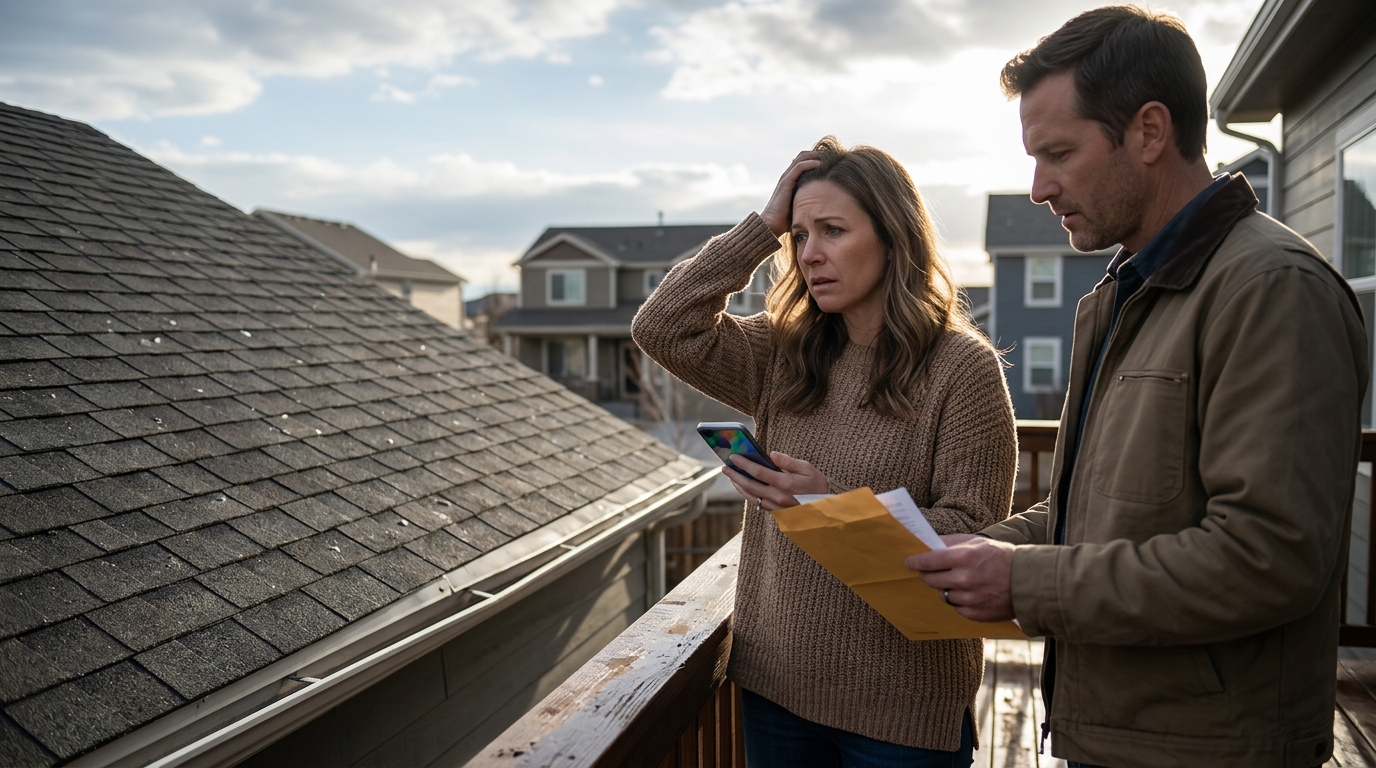
Denver homeowners face unique weather pressures that make roof damage a frequent reality. According to the National Weather Service, Colorado experiences some of the highest hail frequencies in the United States, with Front Range communities often seeing multiple significant storm events each year. This high volume of severe weather means that navigating insurance claims is not just a one-time event but a recurring necessity for many property owners. Understanding the specific pitfalls of this process can save thousands of dollars and prevent months of stress. This guide outlines the critical errors to avoid when dealing with storm damage and insurance adjusters in the Denver metro area. (About Apex Roofing Colorado)
Mistake 1: Delaying the Initial Inspection
One of the most costly errors homeowners make is waiting too long to inspect their roof after a storm. In Denver, hail can dislodge granules from asphalt shingles or crack clay tiles without causing an immediate leak. However, these micro-damages weaken the roof's structural integrity over time. If you wait weeks or months to address the issue, the damage can escalate into rot, mold, or interior water damage, which may not be covered under your policy's storm damage clause.
Insurance policies often require prompt mitigation of further damage. If an adjuster determines that you delayed necessary repairs, they may deny coverage for the subsequent interior damage. It is crucial to document the storm's impact immediately. Professional roofers can identify subtle signs of hail damage, such as bruising on shingles or dents on metal flashing, that are invisible to the untrained eye. Apex Roofing provides free, detailed inspections to help you understand the extent of the damage before it worsens.
Mistake 2: Ignoring Interior Water Damage
Many homeowners focus exclusively on the exterior roof and neglect the interior of their home. Water can travel along rafters, insulation, and drywall, causing damage far from the actual entry point. Stains on ceilings or walls, musty odors, or damp insulation are clear indicators that water has breached the roof system. Ignoring these signs can lead to extensive mold remediation costs that insurance may dispute if they are deemed a result of long-term neglect rather than sudden storm damage.
Always inspect your attic and upper floors after a severe storm. Look for daylight piercing through the roof deck or wet spots on insulation. If you find water damage, contact your insurance provider immediately and document everything with photos and videos. This evidence is critical for proving that the damage was caused by the specific storm event in question.
Mistake 3: Hiring Out-of-State Storm Chasers
After major storms, it is common to see out-of-state roofing crews arrive in Denver neighborhoods. These "storm chasers" often use high-pressure sales tactics, offering to handle your entire insurance claim in exchange for a large upfront payment or a discounted roof. While the price may seem attractive, this approach carries significant risks.
Out-of-state contractors may not be familiar with Colorado building codes, which are strict due to snow loads and wind resistance requirements. Furthermore, if they disappear after receiving payment, you are left with no warranty support. Local contractors, such as those based in Englewood or Arvada, have a vested interest in maintaining their reputation within the community. They are more likely to stand behind their work and provide long-term support. Apex Roofing has served Colorado since 2010, ensuring that every client has a local point of contact for any future needs.
Mistake 4: Accepting the First Settlement Offer
Insurance adjusters are trained to minimize payouts. The initial offer they provide is often based on a quick visual inspection and standard depreciation calculations, which may not reflect the true cost of restoring your roof to its pre-storm condition. Accepting this offer prematurely can leave you underfunded, forcing you to pay out of pocket for necessary repairs or upgrades.
It is essential to get an independent assessment from a licensed roofing contractor before signing any documents. A professional inspection can reveal hidden damage, such as compromised underlayment or damaged flashing, that the adjuster missed. In Colorado, you have the right to choose your own contractor. Use this leverage to negotiate a fair settlement that covers all necessary repairs and allows for code-compliant upgrades if required.
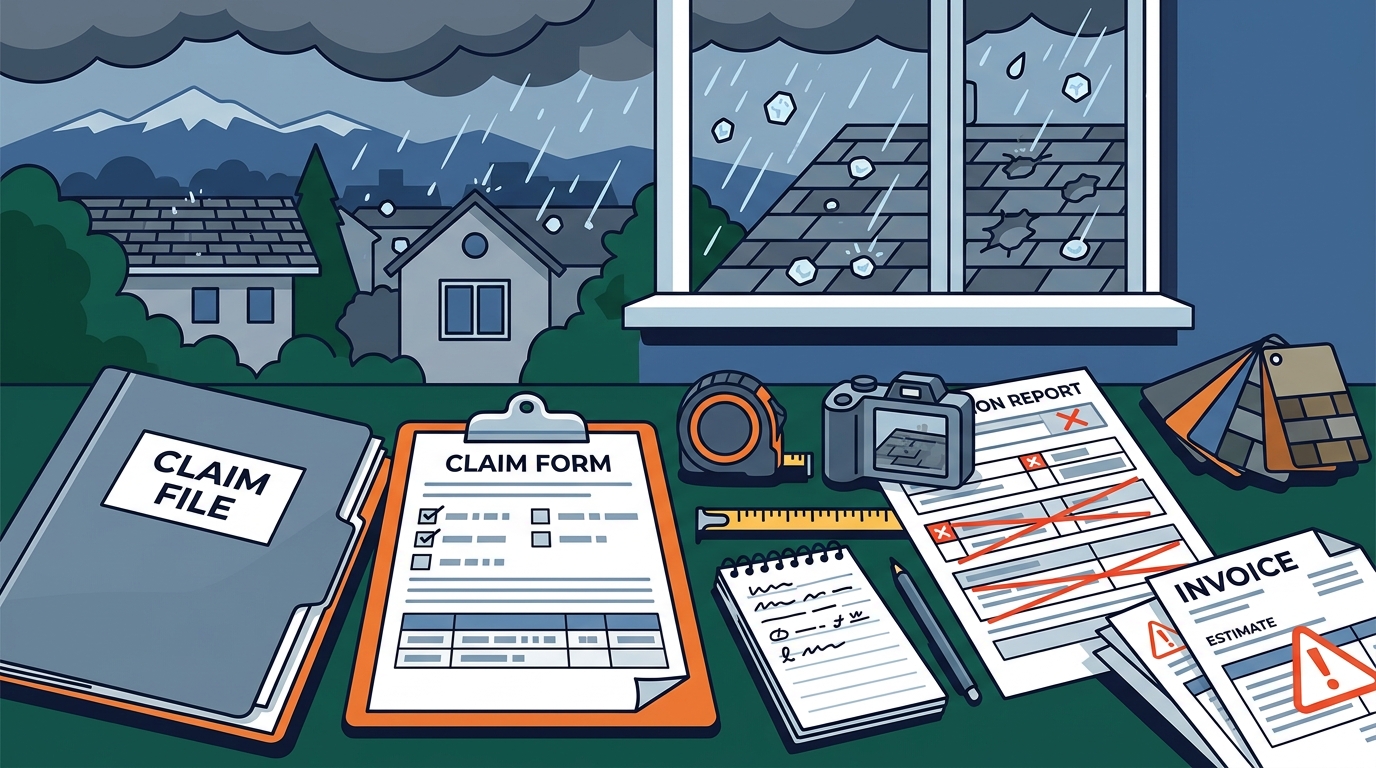
Mistake 5: Choosing the Wrong Roofing Materials
Another common mistake is selecting roofing materials that are not suitable for Denver's high-altitude climate. Standard asphalt shingles may not withstand the intense UV exposure and freeze-thaw cycles common in the Front Range. Homeowners should opt for impact-resistant shingles or materials specifically rated for high-wind and hail conditions.
Additionally, failing to upgrade gutters and drainage systems during a roof replacement can lead to future water damage. Proper water management is critical in areas with heavy snowmelt. Residential roofing services should always include a comprehensive evaluation of the entire roof system, including flashing, vents, and gutters, to ensure long-term durability.
Service Comparison: Local vs. Out-of-State Contractors
Understanding the differences between local and out-of-state roofing providers is crucial for making an informed decision. The table below highlights key distinctions based on operational reliability and warranty support.
| Feature | Local Colorado Contractor | Out-of-State Storm Chaser |
|---|---|---|
| Warranty Support | Long-term labor warranty (e.g., 5 years) | Often limited or non-existent |
| Insurance Knowledge | Expertise in CO specific claims | Limited understanding of local codes |
| Accountability | Local presence and reputation | May disappear after storm season |
| Building Codes | Strict adherence to Denver/CO codes | May not meet local requirements |
| Communication | Direct access to project managers | Often routed through call centers |
Key Takeaways
- Act Quickly: Delaying inspection can lead to denied claims for secondary damage.
- Document Everything: Photograph all damage, including interior signs of water intrusion.
- Verify Credentials: Ensure your contractor is GAF Certified and locally based in Colorado.
- Negotiate: Do not accept the first insurance offer without an independent professional assessment.
- Choose Local: Local contractors offer better accountability and warranty support than out-of-state crews.
- Upgrade Materials: Use impact-resistant materials suited for Denver's harsh climate.
- Check Gutters: Ensure drainage systems are upgraded to handle snowmelt and heavy rain.
Frequently Asked Questions
How long do I have to file a storm damage claim in Colorado?
Most insurance policies require you to report damage within a specific timeframe, often 30 to 90 days from the date of the storm. However, you should document the damage immediately to prevent further issues. Delaying reporting can lead to disputes about the cause of the damage.
What is a GAF Certified Contractor?
A GAF Certified Contractor is a roofing company that has met strict training and financial requirements set by GAF, one of the largest roofing manufacturers in North America. This certification ensures that the contractor is authorized to offer enhanced warranties, such as the GAF System Plus Limited Warranty, which provides coverage for both materials and workmanship.
Can I choose my own roofing contractor?
Yes, in Colorado, you have the legal right to choose your own roofing contractor. Insurance companies cannot force you to use a specific contractor or a "preferred" vendor. It is important to select a reputable local contractor who can advocate for your interests during the claims process.
What types of storm damage are typically covered?
Standard homeowners insurance policies typically cover sudden and accidental damage from storms, including hail, wind, and falling debris. However, damage resulting from lack of maintenance, wear and tear, or flooding is usually excluded. It is essential to have a professional inspection to distinguish between covered storm damage and excluded maintenance issues.
How does hail damage affect my roof?
Hail can cause bruising, cracking, and granule loss on asphalt shingles, which reduces their lifespan and UV protection. It can also dent metal flashing, vents, and gutters, compromising the roof's ability to shed water. Even if there are no visible leaks, hail damage can significantly shorten the life of your roof and lead to premature failure.
What should I look for in a roofing contract?
A comprehensive roofing contract should include detailed descriptions of the work to be performed, the materials to be used, the project timeline, payment terms, and warranty information. Ensure that the contract specifies compliance with local building codes and includes a cleanup clause to protect your property.
Why is local experience important for Denver roofing?
Denver's unique climate, including high altitude, intense UV exposure, and freeze-thaw cycles, requires specific roofing techniques and materials. Local contractors understand these challenges and are familiar with local building codes and insurance practices. This expertise ensures that your roof is built to withstand the specific environmental pressures of the Front Range.
Protect Your Home with Expert Roofing Support
Don't let storm damage compromise your home's safety and value. Navigating insurance claims can be complex, but you don't have to do it alone. Apex Roofing offers free, no-obligation roof inspections to help you understand your options. Our team of GAF Certified professionals is ready to guide you through the entire process, from initial assessment to final cleanup. Contact us today to schedule your inspection and ensure your roof is protected against Colorado's harsh weather.